


Most AC installation problems start long before the unit is turned on. The real trouble usually comes from choosing the wrong size system, skipping ductwork checks, or rushing the setup. If you want your home to stay cool without sky-high energy bills, the smartest move is to go in prepared. Here’s what really matters before installing a new AC.
Key Takeaways
- Figure out how much cooling your home needs based on square footage and insulation.
- Look at the SEER rating so you don’t wind up with a power-hungry system.
- Check your ductwork for leaks or damage before installation.
- Clear the installation area so the tech can work safely and quickly.
- Hire a licensed HVAC technician and get a written estimate.
What Your Home Needs to Stay Cool

Cooling needs aren’t the same for every home. A small condo and a two-story house don’t handle heat the same way. Square footage, insulation, number of windows, and even the local climate all play a role.
Homes with strong insulation usually stay cool longer. Homes with weak insulation? The AC runs more often. If you live somewhere humid, you might need extra humidity control. If you live in a dry area, cooling demands are different.
Spend a few minutes figuring out these basics now and you’ll avoid buying an AC that works too hard or can’t keep up.
Choosing the Right AC Size
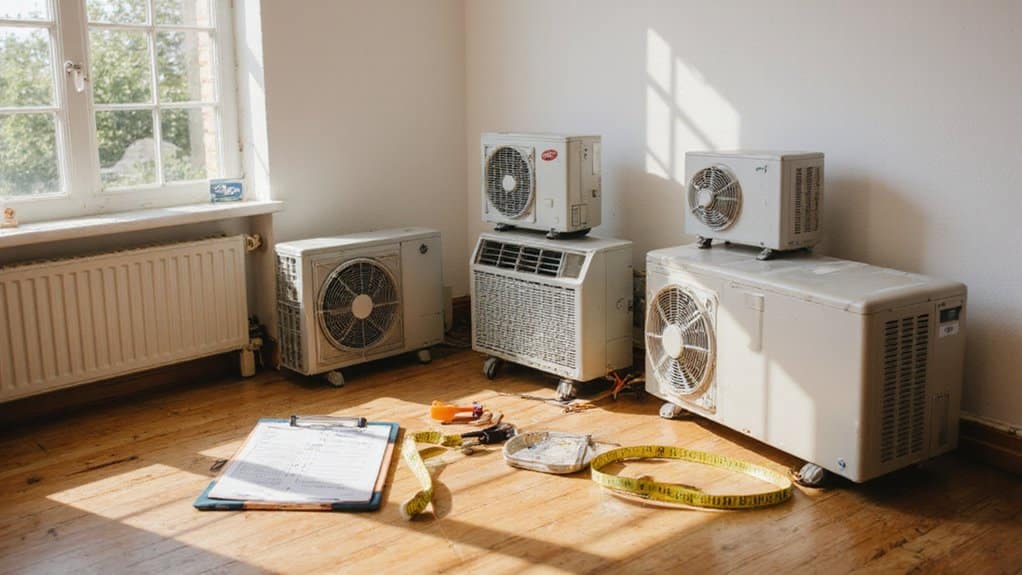
Here’s where many people go wrong. Bigger isn’t better. Too big and the AC cycles on and off rapidly. Too small and it runs non-stop.
BTU Requirements
BTUs tell you how much cooling power a unit has. The higher the BTU, the more cooling. Use a BTU calculator or let the installer size it for you. Room size, sunlight, insulation, and number of people matter. A kitchen will need more cooling than a bedroom simply because of appliances.
Room Size
Grab a tape measure. Measure length and width. Multiply them for square footage. If you have tall ceilings, the space holds more heat, so you’ll need more BTU power than a standard room.
The right size AC saves energy and makes your home comfortable without working overtime.
Energy Efficiency Ratings That Matter
A system’s efficiency has a huge impact on your energy bill.
SEER Ratings
SEER means Seasonal Energy Efficiency Ratio. Higher numbers = less electricity used. If you live somewhere hot most of the year, a higher SEER rating will save money over time.
Energy Star
The Energy Star label means the unit meets EPA efficiency standards. Besides saving energy, many states offer rebates on Energy Star equipment. It’s worth checking.
Types of Air Conditioners
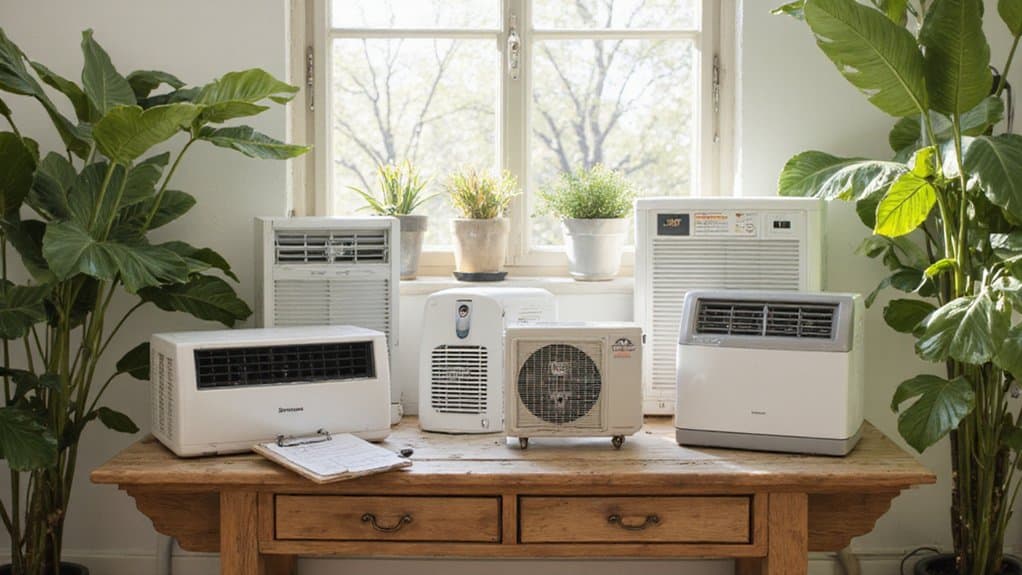
There isn’t one “best” AC for everyone. It depends on your home layout and budget.
- Window units are cheap and easy to install but not great for large spaces.
- Portable units move from room to room but can be loud.
- Central AC cools the whole house evenly but needs ductwork.
- Ductless mini-splits are great for homes without ducts and for zoned cooling.
- Geothermal systems cost more upfront but save money long-term by using ground temperature.
- Many modern systems include smart controls, so you can adjust temps from your phone.
Checking Your Ductwork First
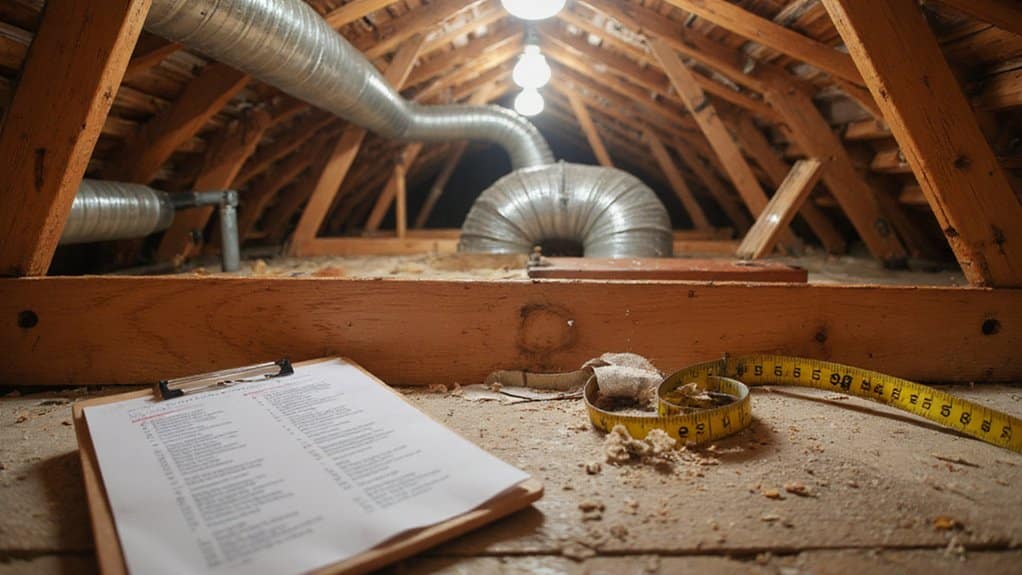
If you’re installing central AC, ignoring ductwork can ruin the whole system.
Look for Damage
Leaks, gaps, crushed ducts, missing insulation, rust, and loose joints kill airflow. If the ducts are a mess, the best AC in the world won’t cool your home properly.
Correct Sizing
Ducts must match the airflow needs of the new system. If they’re too small, the AC strains. Too big, and airflow drops. A Manual J or Manual D calculation will help size it correctly.
Where the AC Should Go
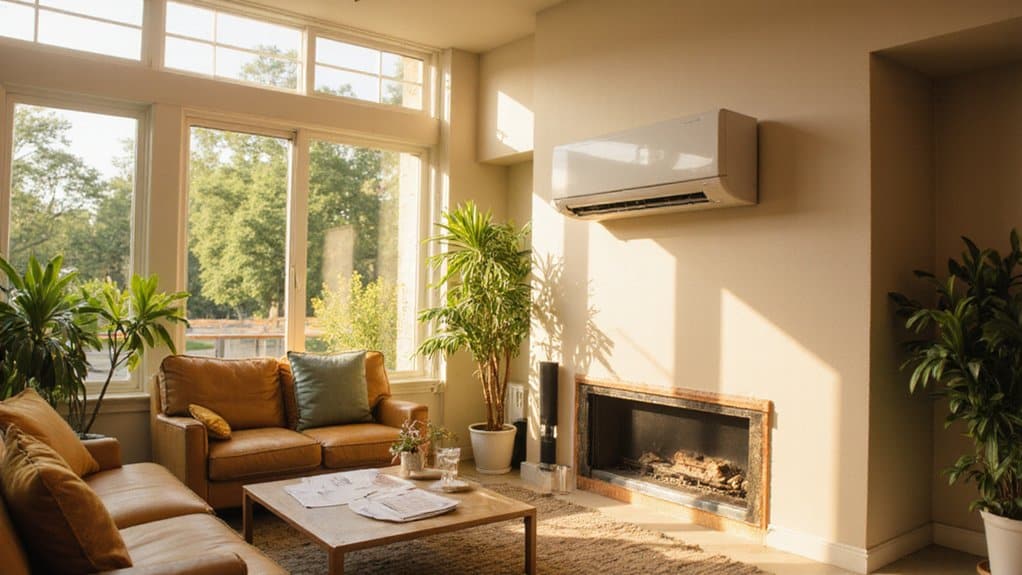
Location affects how well the AC works.
Outside unit:
- Needs space for air to move
- Should not sit next to bushes or walls
- Must sit on a stable, level base
- Should be easy to access for repairs
Inside:
- Shorter duct runs improve efficiency
- Follow HOA or city rules if they apply
A little planning here protects performance and noise levels.
Get Your Home Ready Before Installation

Move furniture, tools, plants, and anything blocking the work area. Make sure hallways, doors, and stairs are clear enough for equipment to be carried inside. Check that the electrical panel is reachable. If your area requires permits, get them before the installation date so you don’t face delays.
Hiring the Right HVAC Technician
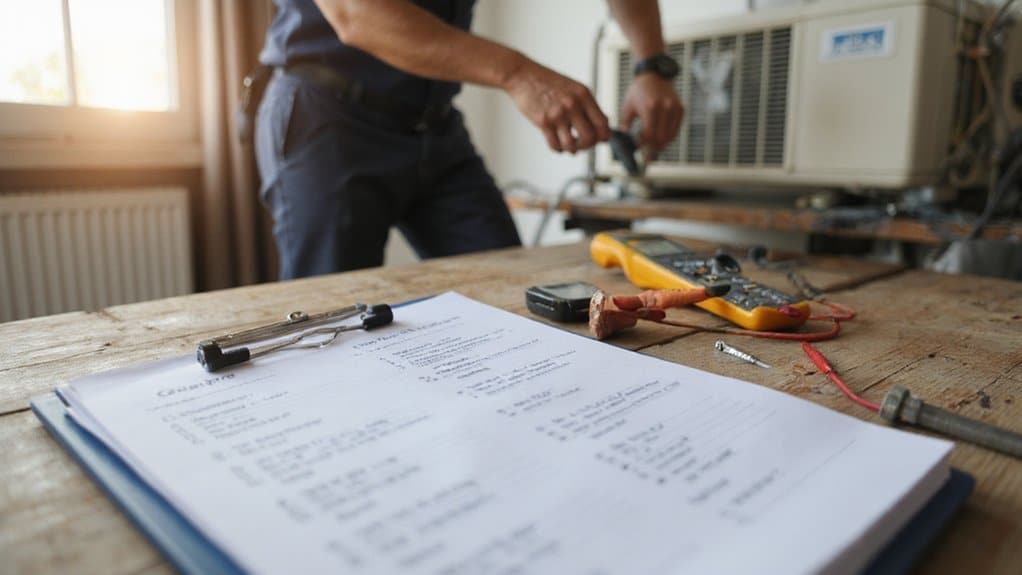
A good installer can make a cheap unit perform well. A bad installer can ruin a high-end system.
Look for:
- Licensing and insurance
- Certifications like NATE
- A written estimate and scope of work
- Reviews that mention long-term satisfaction, not just friendly service
Don’t go with the cheapest quote blindly. Go with the person who explains things clearly and backs their work.
Maintenance and Warranty
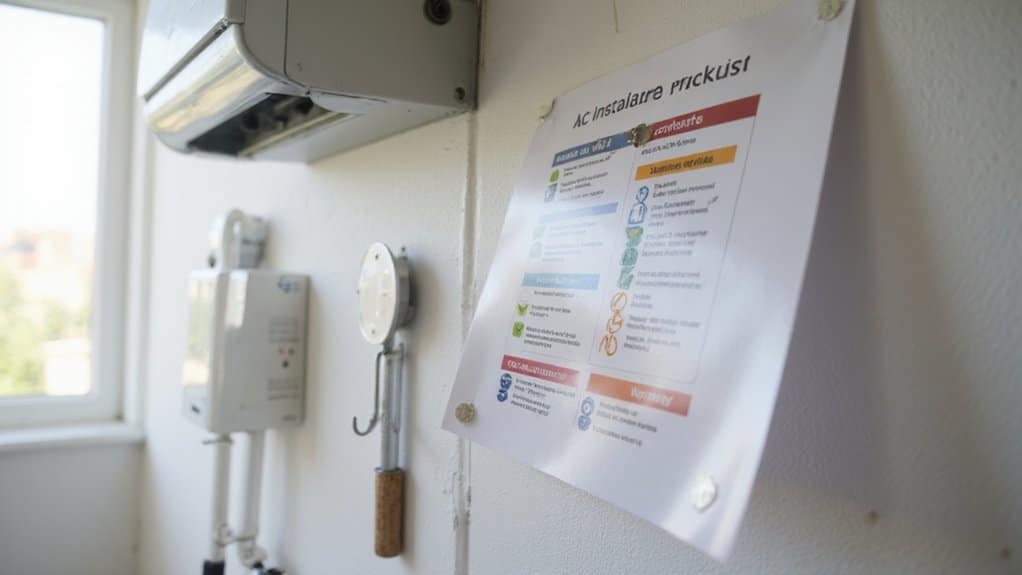
Most AC parts are covered for five to ten years, but only if you register the system on time. Many people forget and lose coverage.
Set a maintenance routine:
- Professional inspection twice a year
- Coils cleaned
- Refrigerant check
- Electrical check
- Filters replaced
Skipping maintenance is the fastest way to void a warranty or shorten the system’s lifespan.
Get the Best Performance Out of Your AC
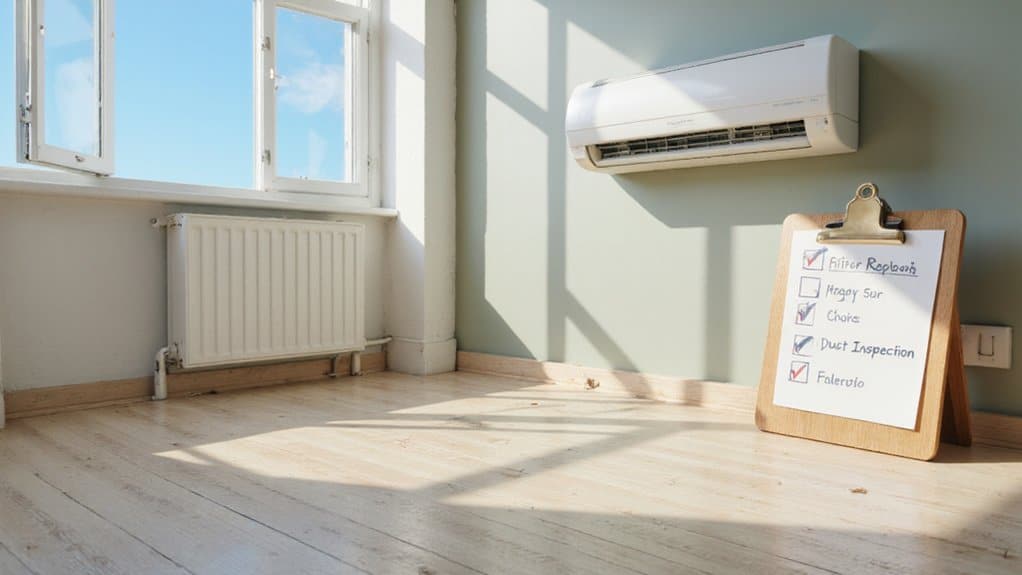
A few simple habits make a big difference:
- Replace or clean filters every one to three months
- Don’t block supply or return vents
- Keep the outdoor unit free of leaves and dirt
- Set a thermostat schedule instead of blasting the AC all day
- Get yearly tune-ups
Small habits translate into lower bills and fewer repairs.
Final Word
Installing an AC isn’t just about buying a unit and turning it on. The right size, ductwork condition, installation spot, and a qualified technician all matter. Put a little care into the setup and your home will stay cool for years without draining your wallet.