


Life on Vancouver Island comes with fresh air, mild temperatures, and a steady level of moisture in the air. That moisture plays a quiet but constant role in how home air conditioners behave. With average humidity often sitting near 70 percent, cooling systems are asked to do more than just lower the temperature. They also need to pull water out of the air at the same time.
Over months and years, that extra workload can shape how well an air conditioner runs and how long it lasts. Knowing what is happening behind the scenes helps homeowners make better choices about settings, upkeep, and add on equipment.
What Humidity Really Means for Your AC
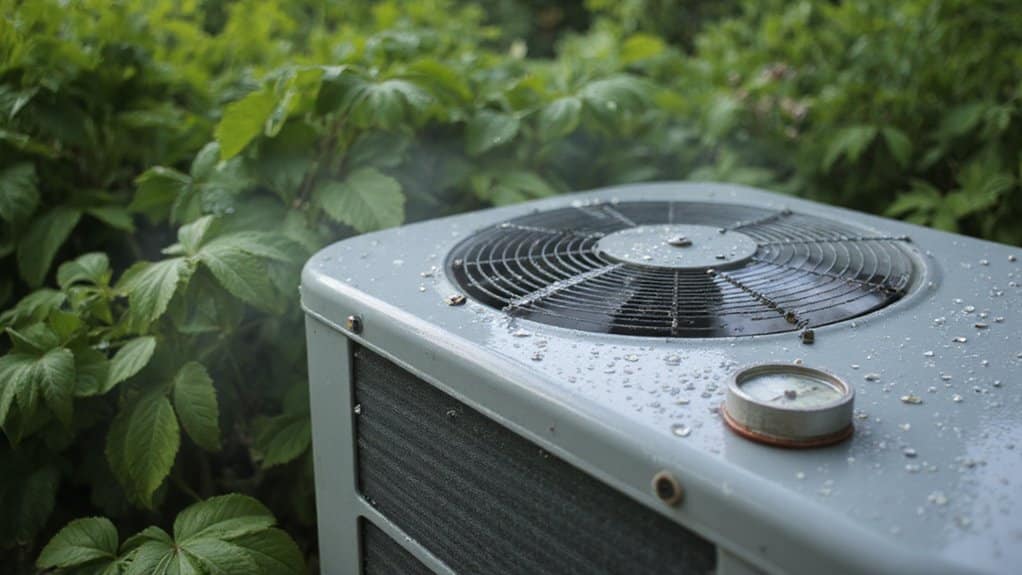
Humidity refers to how much water vapor is suspended in the air. On Vancouver Island, coastal weather patterns keep moisture levels fairly steady through much of the year. Even when outdoor temperatures feel comfortable, the air often holds enough moisture to affect indoor comfort.
An air conditioner cools air by passing it over cold coils. As warm air touches those coils, heat leaves the air and moisture condenses into water. In drier regions, this happens quickly and the system can focus on cooling. In humid areas, the unit has to remove more water before the space feels comfortable.
That extra moisture removal changes how long the system runs and how hard certain parts have to work.
How Vancouver Island Compares With Other Climates
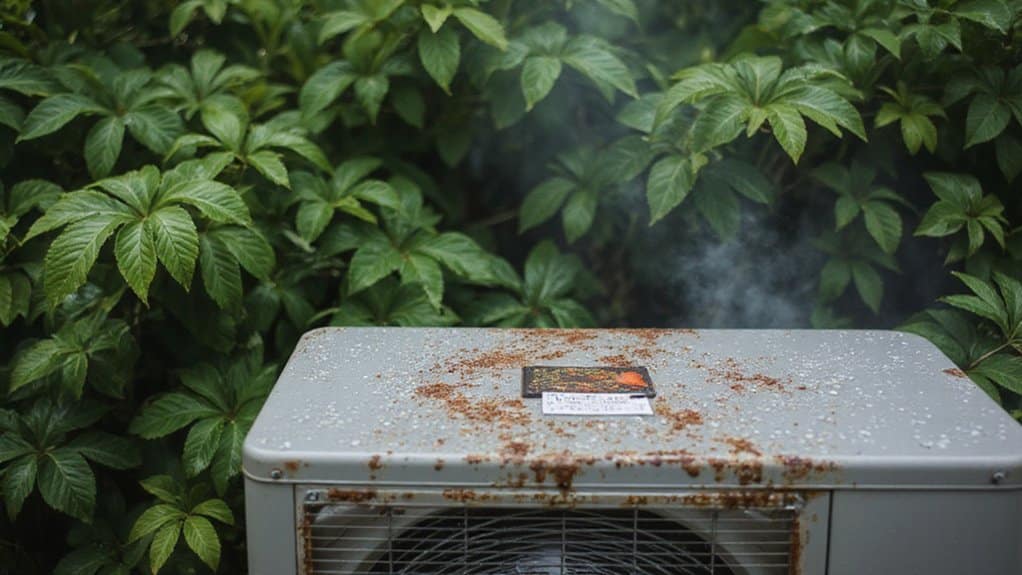
Compared with places like the Gulf Coast or parts of the southern United States, Vancouver Island does not experience extreme tropical humidity. Summers are milder, and the air rarely feels heavy in the same way. Still, the island’s humidity remains higher than many inland or desert regions.
This middle ground matters. Air conditioners here do not face the same constant stress seen in very damp climates, yet they still deal with more moisture than systems in dry areas. That means performance issues can appear slowly rather than all at once, which makes them easier to miss.
Homeowners who understand this balance are better prepared to spot small changes before they turn into expensive repairs.
The Relationship Between Moist Air and Cooling Performance

When indoor air holds a lot of moisture, the cooling process becomes more complex. The air conditioner must lower both temperature and humidity. If it cannot remove enough moisture, rooms may feel cool but still uncomfortable.
High moisture levels can also affect indoor air conditions. Damp environments support mold and mildew growth, which can spread through ductwork if not addressed. Over time, this can affect both comfort and health.
Because the system runs longer to manage moisture, internal parts such as the compressor and fan experience more use. Longer run times translate into more wear over the life of the unit.
Why High Humidity Makes Cooling Harder

More Power Draw Over Time
As humidity rises, your air conditioner spends more time pulling water from the air. This process uses energy. When moisture levels stay high for days or weeks, the unit runs longer cycles and starts more often.
Longer operation leads to higher electricity use. Many homeowners notice this as a gradual increase in monthly bills rather than a sudden spike.
Moist air can also cause cooling coils to stay wet for longer periods. In some cases, this moisture can contribute to ice forming on coils, which disrupts airflow and forces the system to work even harder.
Slower Temperature Relief
Humidity affects how the body feels temperature. Even if the thermostat shows a comfortable number, damp air can feel warmer. This often leads people to lower the thermostat, which adds even more strain to the system.
When airflow is reduced by moisture buildup, cooled air moves through the home more slowly. Rooms take longer to reach the set temperature, and some areas may never feel quite right.
Over time, this constant effort can shorten the working life of parts that were designed for moderate use.
Early Signs of Humidity Related AC Trouble

Humidity related problems often show up in small ways before serious damage occurs. Being aware of these signs can save money and prevent breakdowns.
One common clue is visible moisture. Condensation on vents, ductwork, or the indoor unit suggests the system is struggling to manage moisture. A musty smell when the AC runs can point to mold growth inside the unit or ducts.
Uneven cooling is another warning. If the system runs for long periods but rooms still feel sticky, humidity may be overwhelming its capacity. Unusual noises, frequent cycling, or rising energy bills can also signal that moisture is adding stress.
Simple Steps to Address Humidity Effects

Review Thermostat Settings
Thermostat settings play a larger role in humid climates. Setting the temperature too low can reduce how well the system removes moisture. Many homes feel more comfortable with the thermostat set slightly higher when humidity is controlled properly.
If your thermostat includes humidity controls or fan settings, make sure they are used correctly. A fan set to run continuously can keep moisture on the coils, while an automatic setting allows water to drain away between cycles.
Checking calibration once a year also helps prevent inaccurate readings that cause unnecessary run time.
Check the Drainage Path
Air conditioners rely on a clear drainage system to remove condensed water. In humid conditions, this system works constantly. A blocked drain line can cause water to back up into the unit or overflow into surrounding areas.
Look for standing water near the indoor unit or signs of leakage. Algae and debris can build up inside the drain line over time. Flushing it periodically keeps water moving where it should go.
A clean drain pan and properly sloped line make a noticeable difference in how the system handles moisture.
Keep Air Filters Clean
Air filters affect both airflow and moisture control. Dirty filters restrict air movement, which reduces the system’s ability to remove humidity.
In damp environments, filters can also trap moisture, creating a place for mold to grow. Checking filters monthly during heavy use periods is a good habit. Washable filters should be cleaned and fully dried before reinstalling. Disposable filters should be replaced as recommended by the manufacturer.
Clean filters support steadier airflow and reduce stress on internal components.
Ongoing Care for AC Units on Vancouver Island

Regular care matters even more in humid climates. Seasonal inspections help catch small issues early. Technicians can spot worn parts, check refrigerant levels, and clean coils that collect moisture and dirt.
Outdoor units also need attention. Leaves, grass, and coastal debris can block airflow around the condenser. Keeping this area clear allows heat to escape more easily.
Monitoring refrigerant levels is another key step. Low refrigerant makes moisture removal harder and forces longer run times. Balanced levels support steady cooling and reduce strain.
How Dehumidifiers Support Better Cooling

In homes where humidity stays high, a dedicated dehumidifier can ease the load on the air conditioner. By pulling moisture from the air before it reaches the AC, the cooling system can focus more on temperature control.
Lower indoor moisture often leads to shorter cooling cycles and more even comfort. It also reduces the risk of mold growth, which supports cleaner indoor air.
Some homeowners choose whole home dehumidifiers that connect to existing ductwork. Others use portable units in problem areas such as basements. Both approaches can make a noticeable difference when used correctly.
Seasonal Maintenance That Makes a Difference

Seasonal care helps air conditioners handle humidity year after year. A spring inspection prepares the system for summer moisture, while a fall check ensures everything is clean and dry before cooler weather arrives.
Key tasks include cleaning coils, clearing drain lines, checking electrical connections, and confirming proper airflow. Professional servicing also allows for adjustments that keep the system running smoothly through humid months.
Preventive care reduces surprise breakdowns and supports a longer service life.
Common Questions About Humidity and Air Conditioning
How often should filters be checked in damp conditions?
Monthly checks work well during periods of high use. Moist air can cause filters to clog faster, so staying on top of this task helps maintain comfort.
Can humidity cause an air conditioner to freeze?
Yes. Excess moisture can collect on evaporator coils. If airflow is reduced or refrigerant levels are off, that moisture can freeze and block cooling.
What indoor humidity level feels best?
Most homes feel comfortable when indoor humidity stays between 30 and 50 percent. This range supports comfort without overworking the cooling system.
Do some air conditioners handle moisture better than others?
Central systems generally remove moisture more effectively than portable or window units. Choosing the right size and type for the home also matters.
Is a higher rated AC unit worth it in humid areas?
Units designed to manage moisture well tend to last longer in damp climates. They often handle longer run times with less stress on parts.
A Clear Takeaway for Island Homeowners
Vancouver Island’s steady humidity quietly shapes how air conditioners perform. Moist air adds to the workload, increases run time, and can shorten the life of key components if left unchecked. With regular care, thoughtful settings, and the right support equipment, homeowners can keep their systems running smoothly for years.
Understanding the local climate makes it easier to work with it rather than against it.