


As warmer weather starts to show up, many homeowners begin thinking about whether their air conditioner is ready for summer. On Vancouver Island, the mix of coastal air, pollen, and shifting temperatures can put extra strain on cooling systems. A little preparation now can help avoid uncomfortable days later when the heat settles in.
Air conditioner maintenance does not have to feel complicated. Most of it comes down to airflow, cleanliness, and making sure parts are working the way they should. Below is a clear look at what to check before summer arrives, what you can handle yourself, and when it makes sense to call a professional.
Start With a General Pre-Summer System Check

Before focusing on individual parts, take a few minutes to look over the system as a whole. Walk around the outdoor unit and remove leaves, dirt, grass clippings, or branches that may have collected over winter. Clear at least two feet of space around the unit so air can move freely.
Check the refrigerant lines that run between the outdoor unit and your home. The insulation should be intact and snug. If it looks cracked, brittle, or missing in spots, replacing it helps the system maintain steady cooling.
Inside the house, turn the system on briefly. Listen for odd noises and notice how quickly cool air starts flowing. If anything sounds off or airflow feels weak, make a note to investigate further.
Cleaning and Replacing Air Conditioner Filters
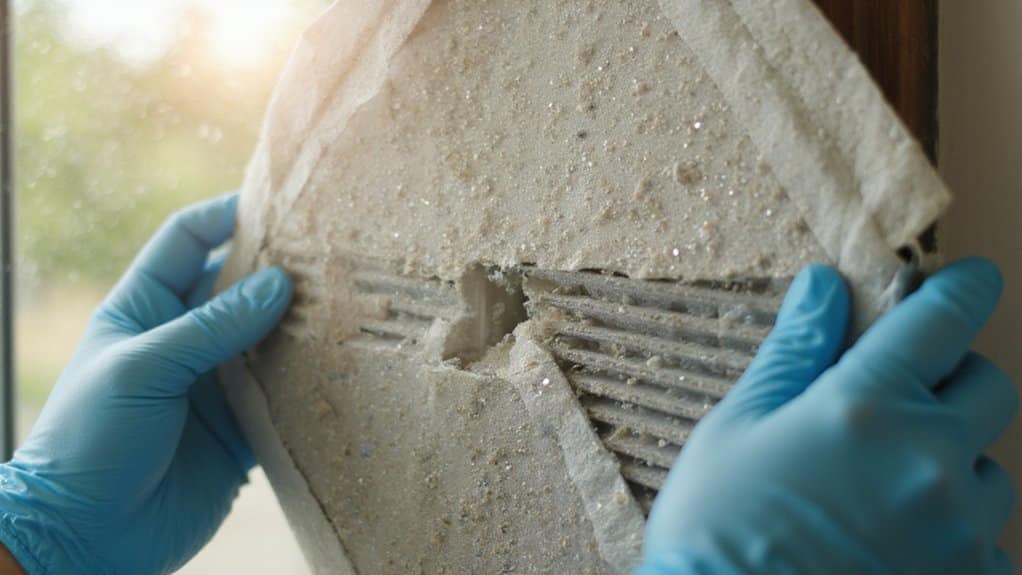
Air filters play a major role in how well your system cools your home. A dirty filter makes the system work harder and can lead to higher energy use and uneven temperatures.
Turn the system off before removing the filter. Most filters are located behind a return air grille or inside the air handler. Slide it out and check how much dust and debris has built up.
Reusable filters can usually be rinsed with lukewarm water or gently vacuumed. Let them dry fully before putting them back. Disposable filters should be replaced when they look clogged or worn.
For most homes, checking filters every one to three months works well. Homes with pets or allergy concerns may need more frequent attention.
Checking Refrigerant Lines and Levels

Refrigerant helps move heat out of your home, so keeping an eye on this part of the system matters. While adding refrigerant is not a DIY task, you can still spot early warning signs.
Start with a visual inspection of the refrigerant lines. Look for oil residue, damaged insulation, or corrosion. Ice buildup on the evaporator coil or refrigerant lines can point to low refrigerant or restricted airflow.
If you use pressure gauges and understand how to read them, compare the readings to the manufacturer’s specifications after the system has been running for about fifteen minutes. If pressures fall outside the expected range, it is time to call a technician.
Catching refrigerant issues early helps prevent larger system damage during peak summer use.
Inspecting Ductwork for Proper Airflow

Your air conditioner depends on ductwork to move cool air through the house. Even small leaks or blockages can reduce comfort and waste energy.
Begin by looking at any exposed duct sections in basements, crawl spaces, or utility rooms. Watch for loose connections, gaps, or visible damage. Dust streaks around joints often signal air leakage.
You can also use incense or a smoke stick near duct seams while the system runs. If smoke pulls toward the duct, air is escaping. Seal small leaks with mastic or approved foil tape.
If ducts appear heavily clogged or damaged, a professional inspection can help restore proper airflow and balance.
Scheduling a Professional AC Inspection

Even with regular homeowner maintenance, a professional inspection adds another layer of protection before summer. Technicians are trained to spot electrical wear, refrigerant problems, and early signs of component failure.
During an inspection, they will test system performance, check electrical connections, clean coils, and confirm the system is cycling correctly. This type of visit can also uncover small issues before they turn into larger repairs during a heat wave.
Many homeowners find that a yearly inspection helps their system run more smoothly through the hottest months.
Getting Your Thermostat Ready for Summer

The thermostat controls how and when your air conditioner runs, so it deserves a quick check before summer starts. Make sure it switches cleanly into cooling mode and responds when you adjust the temperature.
Check accuracy by comparing the thermostat reading to a separate indoor thermometer placed nearby. If the readings differ, adjust the calibration settings based on the manufacturer’s instructions.
If your thermostat has programmable features, set higher temperatures for times when no one is home and cooler settings for mornings and evenings. This helps maintain comfort without unnecessary runtime.
Common Questions About Pre-Summer AC Care
How often should AC maintenance be done each year?
Most systems benefit from a full inspection once a year. In warmer regions or homes with heavy use, a spring and fall check can be helpful.
What signs suggest the system needs quick attention?
Weak airflow, strange noises, uneven cooling, or visible leaks are signals that should not be ignored.
Can homeowners handle most maintenance tasks?
Basic steps like filter cleaning and clearing debris are fine for most people. Tasks involving refrigerant or electrical parts are better left to trained professionals.
What does AC maintenance usually cost?
Routine maintenance often falls between seventy five and two hundred dollars, depending on the system and the work involved.
Does coastal weather affect air conditioners?
Salt air, moisture, and shifting temperatures can increase wear. Regular cleaning and inspections help manage these conditions.
Wrapping Up Your Summer Preparation
Getting your air conditioner ready for summer on Vancouver Island does not require guesswork. Clearing debris, cleaning filters, checking visible components, and paying attention to airflow all support steady performance when temperatures rise.
Adding a professional inspection helps catch hidden issues before they cause trouble during the busiest cooling months. With consistent care and a little planning, your system is better prepared to keep your home comfortable all summer long.