

If your AC is blowing weak air, you may notice that some rooms stay warm even when the system is running. Weak airflow can happen for a few different reasons. A dirty filter, blocked vent, duct problem, or mechanical fault can all affect how much air reaches your rooms.
The good news is that some causes are easy to check yourself. Others need an HVAC technician to inspect the system. Knowing what to look for can help you narrow down the problem before deciding what to do next.
Key Takeaways
- Check for Airflow Obstructions: Make sure furniture, curtains, dust, and other items aren’t blocking your vents. Even a partial blockage can reduce the amount of air entering a room.
- Inspect and Replace Dirty Filters: A clogged filter makes it harder for air to pass through the system. Check your filter regularly and replace it every one to three months, depending on use and the condition of the filter.
- Assess Ductwork Condition: Blocked, damaged, or leaking ducts can reduce airflow and cause some rooms to feel warmer than others.
- Monitor Refrigerant Levels: Low refrigerant can affect cooling and may be linked with symptoms such as ice buildup, hissing sounds, or inconsistent temperatures.
- Consult an HVAC Technician: If basic checks don’t solve the problem, a technician can inspect the system and find faults that aren’t easy to identify from inside the home.
Common Reasons for Weak Airflow in Your AC
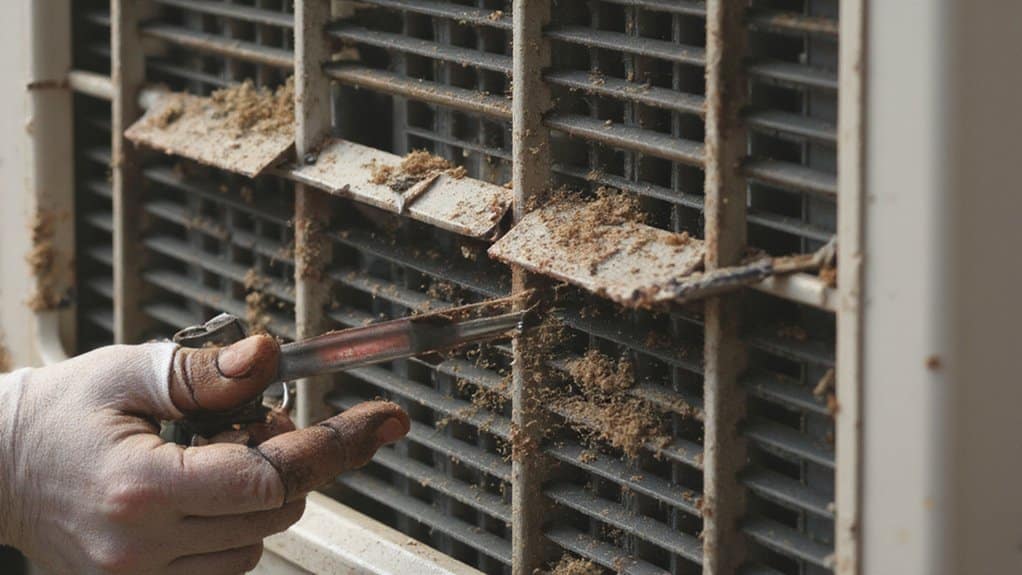
Weak airflow from an AC can have several causes. Sometimes the problem is as simple as something blocking a vent. In other situations, the issue may be inside the AC system itself.
Start by looking at the vents in the rooms where the airflow feels weak. Furniture, curtains, rugs, dust, or other objects can interfere with airflow. If a vent is partly covered, move the obstruction and check whether the airflow improves.
The fan and blower motor can also affect how much air moves through the system. If the motor isn’t working properly, the AC may run without delivering the amount of air you normally expect.
Your thermostat is another place to check. Make sure it’s set to cooling and that the temperature setting is below the current room temperature. A setting problem can sometimes look like a larger AC fault.
The age of the system may also play a role. Older equipment can develop mechanical problems or struggle to deliver the same level of cooling it once did.
Ductwork deserves a look as well. Leaks, damage, blockages, or poor insulation can allow conditioned air to escape before it reaches the rooms. If one part of the home receives noticeably less air than another, the ductwork could be part of the problem.
Humidity can affect how comfortable a room feels, too. Even when the AC is running, high humidity can make the space feel warmer and may give the impression that the system isn’t cooling properly.
How Dirty Filters Impact AC Performance
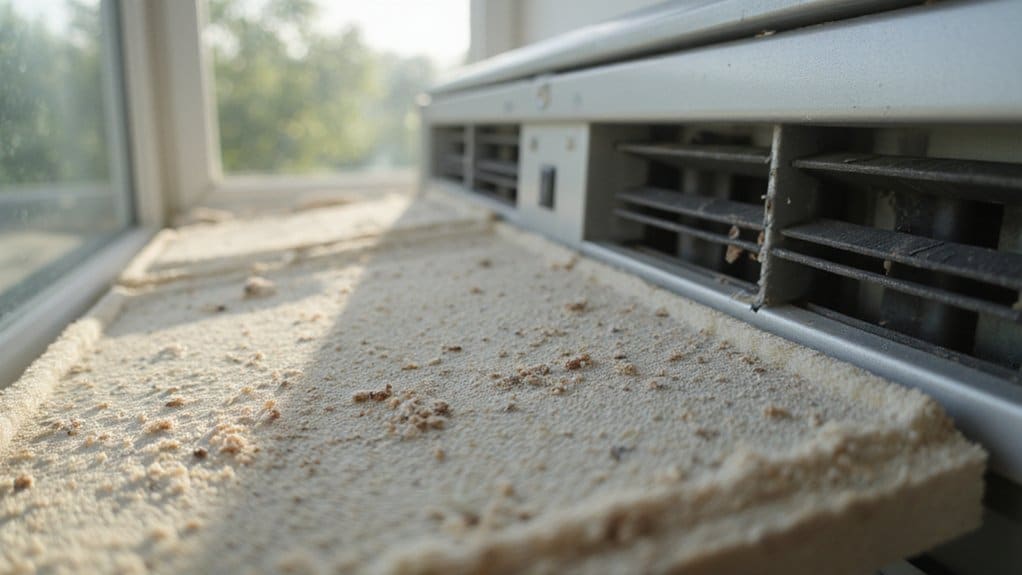
A dirty AC filter is one of the easier things to check when airflow starts to feel weak.
Filters collect dust, dirt, and other particles as air moves through the system. Over time, that buildup can make it harder for air to pass through. The AC may then have to work harder while less air reaches the vents.
A clogged filter can also contribute to other AC problems if it remains in place for too long. That’s why checking the filter should be part of your regular home maintenance routine.
For many homes, filters need to be checked every month and replaced every one to three months. The right schedule depends on factors such as how often you use the AC and how quickly the filter becomes dirty.
If the filter looks gray, dusty, or heavily covered with debris, replace it if it’s a disposable type. If you have a reusable filter, clean it according to the manufacturer’s instructions and make sure it’s fully dry before putting it back.
It’s a simple check, but it can make a noticeable difference when a dirty filter is the reason for weak airflow.
The Role of Blocked Ducts in Weak Airflow
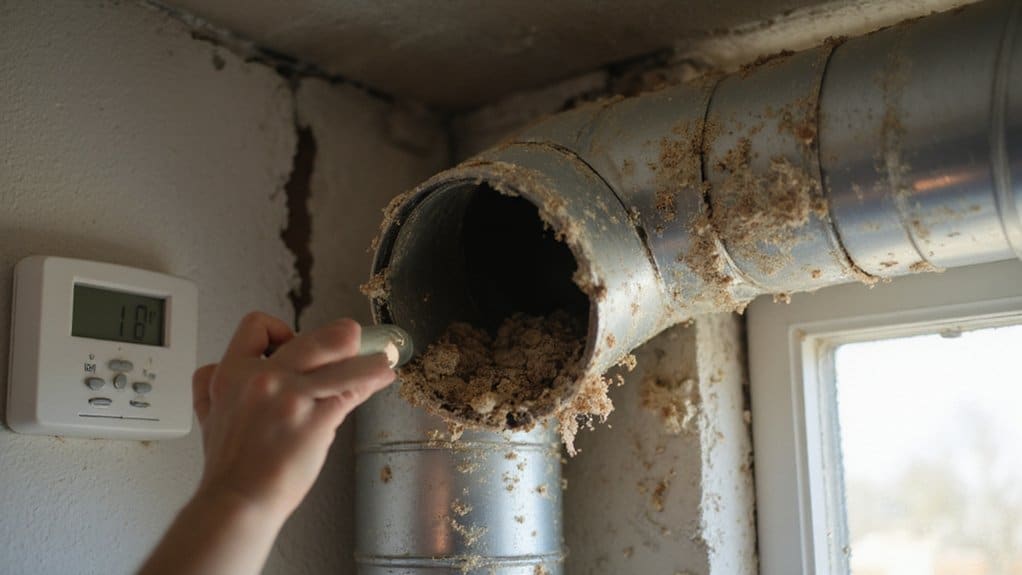
Your ductwork carries cooled air from the AC system to the rooms in your home. If a duct is blocked, damaged, or leaking, less air may reach the intended room.
Dust and debris can build up inside ducts over time. In some situations, pests or other objects can also create a blockage. Flexible ductwork may become compressed or kinked, which can restrict the passage of air.
A damaged duct can create a different problem. Instead of reaching the room, conditioned air may escape through gaps or damaged sections. This can leave some rooms warmer than others even though the AC is running.
Uneven cooling is one sign that ductwork may need attention. You may also notice weak airflow from only certain vents while other rooms seem to receive normal airflow.
Visible duct damage, loose connections, or crushed sections are worth having checked. A technician can inspect areas that aren’t easy to access and determine whether the duct system is contributing to the airflow problem.
How Low Refrigerant Affects AC Performance
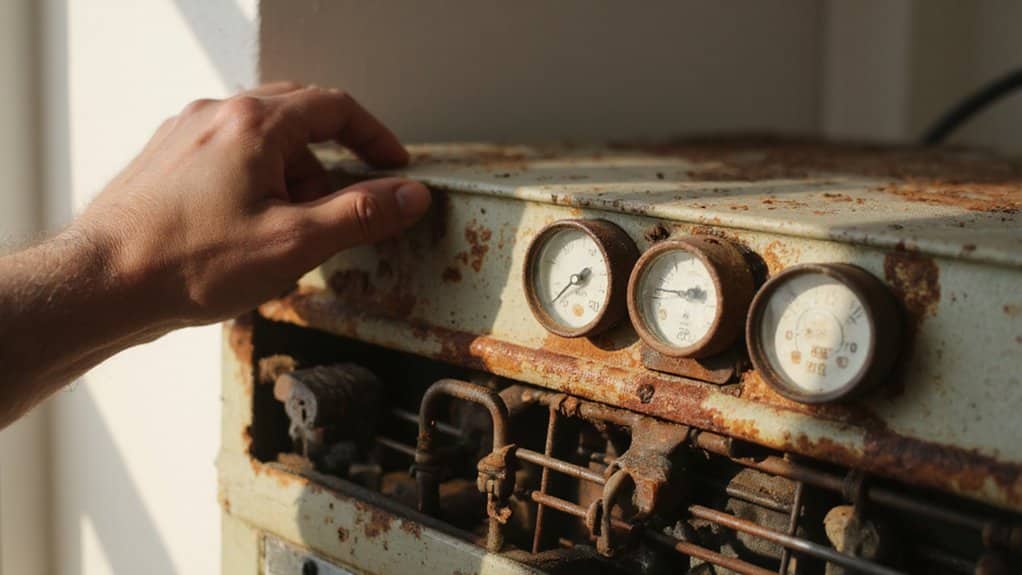
Low refrigerant can affect how well your AC removes heat from indoor air. When the refrigerant level is too low, the system may struggle to provide the cooling you expect.
You may notice that the air coming from the vents doesn’t feel as cool as it normally does. Some parts of the home may also stay warmer than others.
Ice buildup on the evaporator coil can be another warning sign. Low refrigerant isn’t the only possible cause of ice, though, so it’s best not to assume the refrigerant is the problem based on that symptom alone.
Signs of Low Refrigerant
One possible sign of low refrigerant is a noticeable drop in cooling performance. The AC may run for longer periods while your home still doesn’t reach the temperature set on the thermostat.
A refrigerant leak can also cause pressure changes within the system. You may hear hissing or bubbling sounds near the equipment if refrigerant is escaping, although these sounds can have other causes as well.
Ice on the evaporator coil is another symptom that may appear when refrigerant is low. Reduced airflow can also cause coil icing, so several parts of the system may need to be checked before the cause is confirmed.
If you notice these signs together, it’s best to have the system inspected by a qualified HVAC technician. Refrigerant work requires the right equipment and should not be treated as a simple DIY repair.
Impact on Cooling Efficiency
Low refrigerant can reduce the AC’s ability to absorb heat from indoor air. That can leave your home warmer than expected and cause the system to run for longer periods.
Longer run times can also increase energy use. You may notice higher electricity bills if the system has to work harder to provide the same level of cooling.
Uneven temperatures are another possible symptom. One room may feel comfortable while another remains warm, especially if there are already airflow or ductwork problems.
If the AC is running but isn’t cooling the home as it normally does, a refrigerant problem is one possibility worth checking along with filters, ducts, airflow, and the mechanical components.
Solutions for Refrigerant Issues
If low refrigerant is suspected, the system needs to be inspected for a possible leak. Simply adding refrigerant without finding the cause may only provide a temporary fix.
A qualified technician can check the system, locate a leak when one is present, and repair it. After the leak has been addressed, the refrigerant can be restored to the level specified for the system.
Don’t attempt to handle refrigerant yourself. The equipment and refrigerant require proper handling, and an incorrect charge can create further problems.
Regular AC inspections can also help identify developing problems before they become more serious.
How to Spot a Failing Compressor in Your AC?
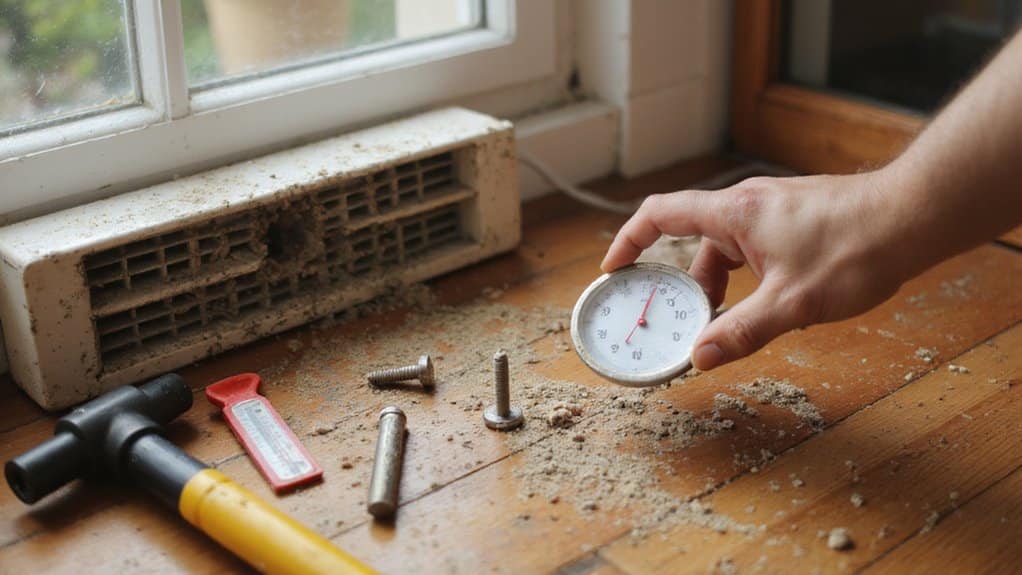
A compressor problem can affect the way your AC cools your home. Since the compressor is a major part of the cooling system, faults can have a noticeable effect on performance.
Unusual sounds, poor cooling, and frequent cycling can all point to a problem. These symptoms don’t automatically mean the compressor is failing, though. Other AC components can cause similar signs.
Unusual Noises From Unit
Listen for sounds that weren’t present before. Rattling, buzzing, grinding, or unusual vibrations may indicate a mechanical problem.
Rattling can sometimes come from a loose component. Other noises may be linked to the motor, fan, or compressor. The location and type of sound can give a technician useful information when diagnosing the system.
Don’t ignore a new or unusually loud sound, especially if it appears along with weak cooling. Continuing to run a system with a mechanical fault may lead to additional damage.
If the sound is coming from the compressor or outdoor unit, have a technician inspect it rather than trying to open or repair the equipment yourself.
Insufficient Cooling Output
Weak cooling doesn’t always mean the compressor has failed. Start with the simpler checks.
Look at the air filter and make sure vents aren’t blocked. Check the thermostat settings and see whether the blower is operating normally. Duct problems can also reduce the amount of cooled air reaching a room.
The age of the AC can provide some context, too. Older systems may develop wear in several components, so a complete inspection can be more useful than replacing one part based on a single symptom.
If the basic checks don’t explain the problem, a technician can test the compressor and other components to find the actual cause.
Frequent Cycling On/Off
An AC that turns on and off repeatedly may be short cycling. This can happen for several reasons, including thermostat problems, airflow restrictions, refrigerant issues, or equipment problems.
Start by checking the thermostat and filter. If the filter is heavily clogged, replace it and see whether the system returns to normal operation.
Low refrigerant can also affect how the system operates. Older equipment may have other mechanical problems that contribute to repeated cycling.
If the AC continues turning on and off more often than usual, have it checked. Frequent cycling can place extra strain on the system and may indicate an issue that needs repair.
Quick Fixes Before Calling an HVAC Pro
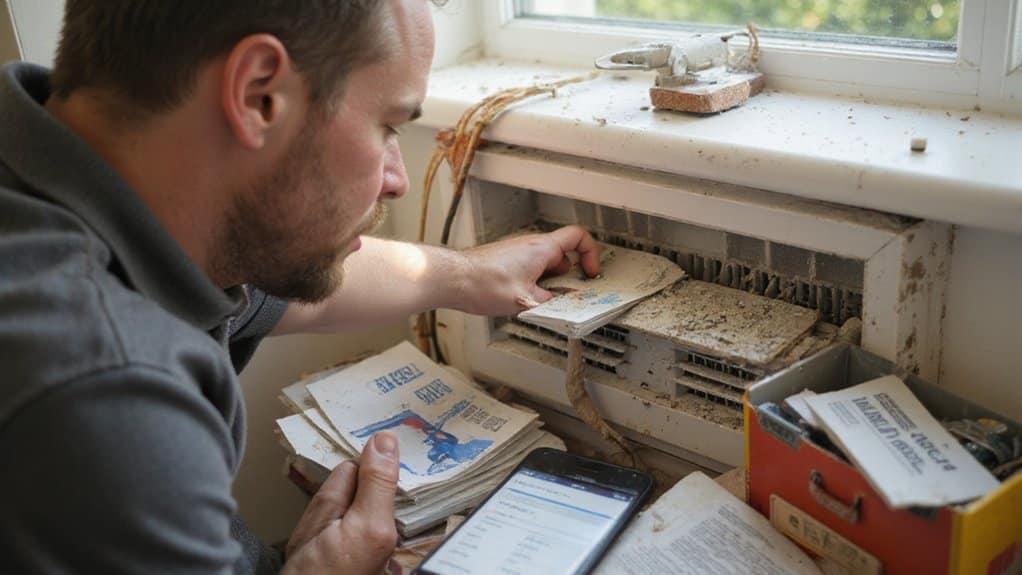
Before calling an HVAC professional, there are a few safe checks you can make yourself.
Start with the thermostat. Make sure it’s set to “cool” and that the temperature is lower than the current room temperature. If your thermostat uses different fan settings, check that those settings are appropriate for normal operation.
Next, walk around the home and look at the vents. Move furniture, curtains, boxes, or other objects that may be blocking them. Make sure the vents are open if they have adjustable louvers.
Check the air filter as well. If it’s visibly dirty or clogged, replace it if it’s disposable. A reusable filter should be cleaned according to the manufacturer’s instructions.
You can also look at accessible ductwork for obvious damage, loose sections, or kinks. Don’t remove panels or attempt repairs inside the AC equipment yourself.
The outdoor unit should have enough clear space around it for proper airflow. Remove leaves and loose debris from around the unit, but turn off the system before cleaning near the equipment.
If these checks don’t improve the airflow, the problem may require a closer inspection.
When to Call an HVAC Technician for Help
If you’ve checked the thermostat, vents, and filter and the AC still produces weak airflow, it’s time to have the system inspected.
Professional help is also a good idea when you notice strange noises, unusual odors, repeated cycling, ice buildup, or large differences in temperature between rooms.
An older AC may also need a closer look if cooling performance has gradually declined. A system that’s more than 10 to 15 years old can have wear across several components, making a full inspection useful.
Higher electricity bills can also be a clue when they appear alongside poor cooling or longer run times. The increase may have several possible causes, so an inspection can help identify what’s actually happening.
Don’t keep running the system if you notice signs of a serious mechanical fault. A technician can test the components, inspect the ductwork, and determine whether the issue can be repaired.
If the problem involves a heat pump rather than a standard AC system, heat pump repair may be needed to address the underlying fault.
Frequently Asked Questions
Can Weather Conditions Affect My Ac’s Airflow?
Weather can affect how comfortable your home feels while the AC is running. High humidity can make indoor spaces feel warmer, even when the system is cooling the air.
Very hot outdoor temperatures can also make the AC run for longer periods. If weak airflow continues regardless of weather conditions, check the filter, vents, ductwork, and system components.
How Often Should I Replace My AC Filters?
Many AC filters need to be replaced every one to three months. The right schedule depends on how often the system runs and how quickly the filter collects dust.
Check the filter regularly rather than waiting for a fixed date. If it becomes visibly dirty or clogged, replacing it may help restore airflow.
Does the Size of My AC Unit Matter?
Yes. AC sizing affects how the system cools your home.
A unit that’s too small may run for long periods without reaching the desired temperature. A unit that’s too large may cool the space quickly without removing enough humidity.
If your home has uneven temperatures or the AC seems to struggle, the unit size may be one factor worth discussing with an HVAC technician.
If you’re replacing an older system, professional heat pump installation can also be considered when choosing a new heating and cooling system.
Can Furniture Placement Block My AC Vents?
Yes. Furniture, curtains, rugs, and other household items can restrict airflow when they’re placed directly over or too close to a vent.
Take a quick look around each vent and make sure air has a clear path into the room. If one room has noticeably weaker airflow than others, check that vent before looking for a more complicated cause.
What Is the Lifespan of an AC Unit?
An AC unit typically lasts around 15 to 20 years with regular care, although the actual lifespan varies from one system to another.
Age isn’t the only thing to consider. Frequent repairs, inconsistent cooling, unusual noises, and rising operating costs can all suggest that an older system needs closer attention.
Conclusion
Weak airflow from your AC can come from something simple, such as a dirty filter or blocked vent. Duct problems, refrigerant issues, blower faults, and compressor problems can also affect how much cooled air reaches your rooms.
Start with the checks that are safe to do yourself. Look at the thermostat, vents, filter, and any accessible ductwork. If the airflow remains weak or you notice ice, unusual noises, repeated cycling, or poor cooling, have an HVAC technician inspect the system.
Finding the cause early can help prevent a small issue from turning into a larger repair and can help keep your home comfortable.