

If your air conditioner seems to run for hours before your home feels comfortable, something may be getting in the way of normal cooling. A few different issues can cause this, including refrigerant leaks, dirty filters, restricted airflow, or problems with the thermostat.
Sometimes the cause is easy to spot. A clogged filter or blocked vent can limit airflow and make the system work harder. Other problems, such as a refrigerant leak or compressor issue, need a professional inspection.
Finding the cause early can help prevent the problem from getting worse and may also keep your energy bills from climbing.
Key Takeaways
- A refrigerant leak can make it harder for your AC to remove heat from your home.
- Dirty or clogged filters can restrict airflow and slow down cooling.
- Blocked or leaking ducts can keep cool air from reaching rooms properly.
- A thermostat that reads the temperature incorrectly can affect when the AC runs.
- Poor insulation can allow heat into your home and make cooling take longer.
- An older or frequently repaired AC may no longer cool your home as well as it once did.
Common Issues That Slow Down Your Air Conditioner
When an air conditioner takes much longer than usual to cool the house, the cause isn’t always obvious. Several parts of the system can affect how quickly your home reaches the temperature you set.
A refrigerant leak is one possibility. Your AC needs the right amount of refrigerant to move heat out of your home. If the level is low because of a leak, the system may run for long periods without cooling the house properly.
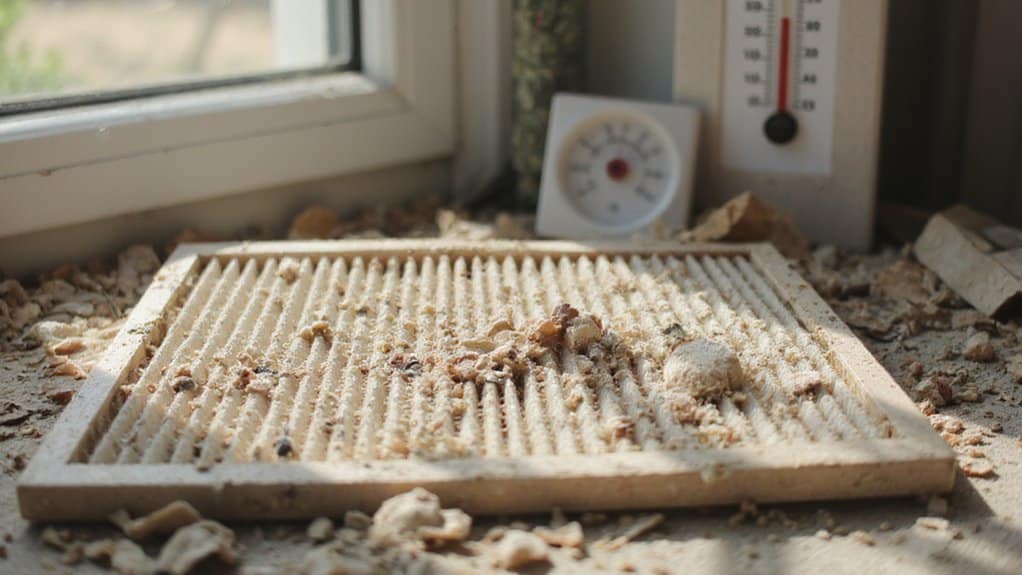
A dirty air filter can cause a similar problem. When dust builds up on the filter, less air can pass through the system. The AC then has to work harder, while some rooms may receive very little cool air.
Ductwork can cause trouble, too. Leaks, damage, debris, or poorly sized ducts can interfere with airflow and keep cooled air from reaching the rooms where it’s needed.
Your thermostat can also play a part. If it isn’t reading the temperature correctly, the AC may turn on or off at the wrong time. A thermostat located near direct sunlight or another heat source may give a reading that doesn’t match the actual temperature in the room.
There can also be mechanical problems, including compressor issues. Since the compressor plays a major role in the cooling cycle, a problem with it can affect the system’s ability to cool your home.
Immediate Solutions for Slow Air Conditioner Cooling
Before assuming your AC needs a major repair, there are a few simple things you can check.
Start with the air filter. If it looks dirty or clogged, clean or replace it according to the filter manufacturer’s instructions. A clean filter allows air to move through the system more freely.
Take a look at the vents throughout the house, too. Make sure they’re open and aren’t covered by furniture, curtains, rugs, or other objects. Even a working AC can struggle to cool a room when airflow is blocked.
The outdoor unit deserves a quick inspection as well. Leaves, grass, dirt, and other debris can collect around the unit and interfere with heat exchange. Keep the area around it clear, but avoid taking apart the equipment yourself.
You can also check your thermostat settings. Make sure it’s set to cooling mode and that the temperature is where you expect it to be. Lowering the thermostat far below your preferred temperature won’t necessarily make the AC cool the home faster.
If the system still runs for long periods without bringing the temperature down, there may be a problem that requires professional attention. Refrigerant issues, electrical faults, compressor problems, and duct leaks aren’t good DIY repairs.
How Insulation Can Keep Your Home Cooler
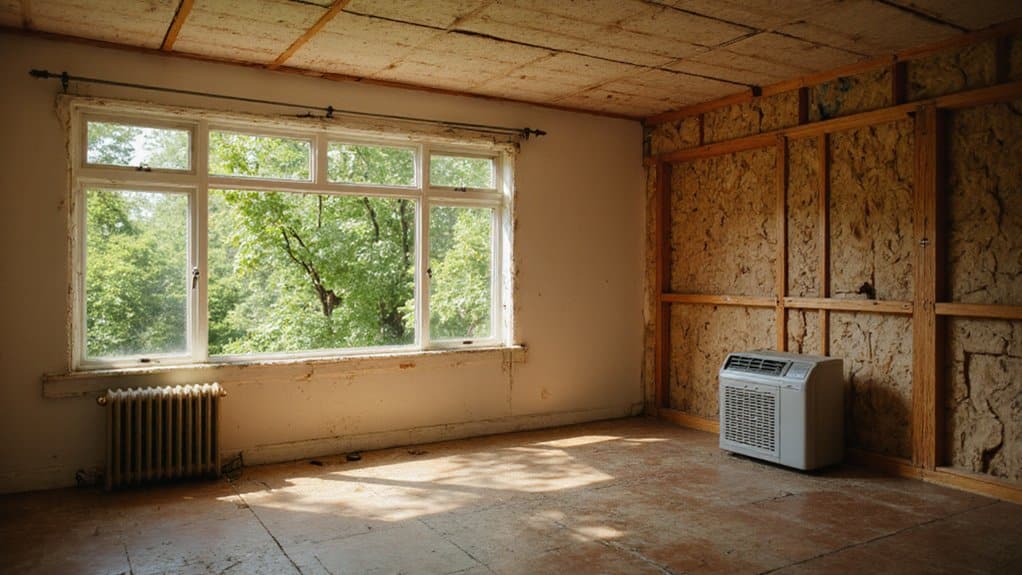
Your AC isn’t the only thing that affects how cool your home feels. Insulation also plays a major part.
Good insulation slows the movement of heat between your home and the outdoors. During hot weather, that means less heat makes its way into your living spaces. Your air conditioner doesn’t have to fight against as much incoming heat.
Common insulation materials include fiberglass, foam, and cellulose. The right choice depends on the part of the home being insulated and the construction of the building.
The attic is worth checking because a poorly insulated attic can allow a lot of heat to build up above your living space. Walls and floors can also affect how quickly your home gains or loses heat.
Insulation doesn’t directly make an air conditioner colder. Instead, it helps your home hold onto the cooled air for longer. That can make it easier for the AC to maintain a comfortable indoor temperature.
If some rooms stay much warmer than others, checking the insulation along with the ductwork may help identify where the problem is coming from.
Why Do Your Thermostat Settings Matter for AC Efficiency?
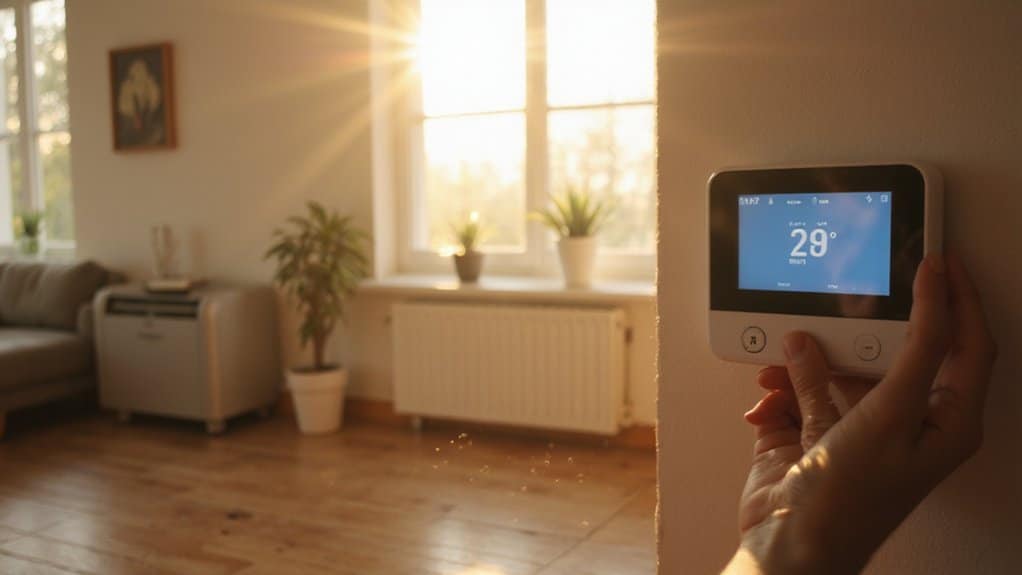
The thermostat tells your air conditioner when to run, so its location and settings can affect how the system operates.
A thermostat installed near a sunny window, kitchen appliance, or other heat source may register a higher temperature than the rest of the room. That can cause the AC to keep running longer than necessary.
Try to keep the thermostat at a steady, comfortable setting rather than making large temperature changes throughout the day. A setting around 78°F when you’re home is often recommended for balancing comfort and energy use.
It’s also worth checking whether the thermostat is working properly. If the displayed temperature seems noticeably different from the temperature in the room, the thermostat may need attention.
Keep in mind that lowering the thermostat from 78°F to 65°F doesn’t make the AC produce cold air faster. The system still has to remove the same amount of heat from the home. A very low setting can simply make the unit run longer.
Signs It’s Time to Upgrade Your Air Conditioning System
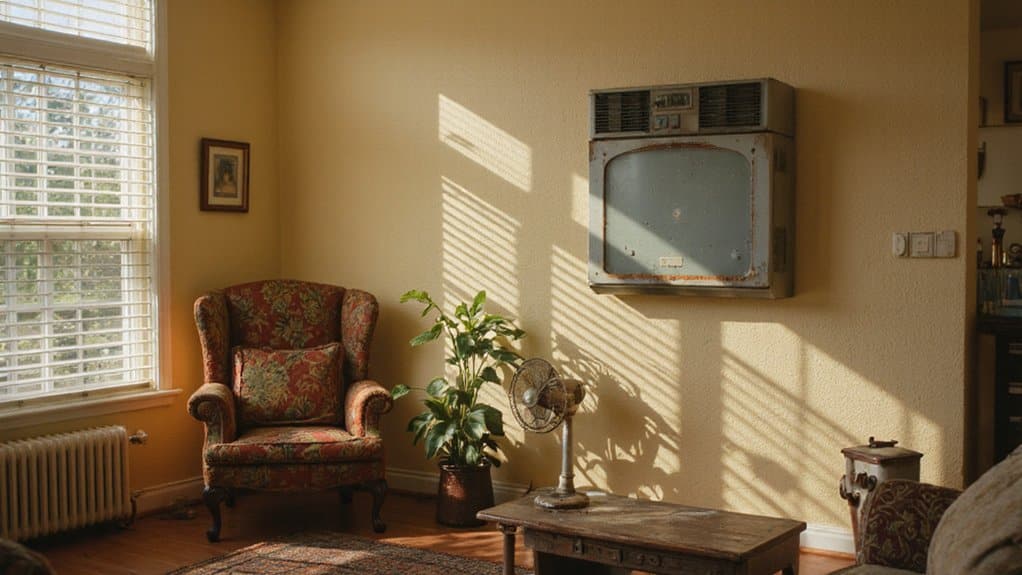
Sometimes slow cooling is a sign that the AC has reached the later part of its service life. If your system is more than 10 to 15 years old, it’s worth having its condition assessed.
Age alone doesn’t mean an air conditioner needs to be replaced. The bigger concern is how well the system is performing and how often it needs repairs.
Frequent service calls can become a warning sign, especially when several different components have started causing trouble. Rising energy bills may also point to a system that’s no longer performing as well as it once did.
Pay attention to how your home feels, too. If the AC runs for long stretches but still can’t reach the temperature shown on the thermostat, there may be an issue with the system’s cooling capacity or another part of the setup.
Low refrigerant can be another clue, although refrigerant doesn’t normally get used up during regular operation. If the level is low, a leak may need to be found and repaired.
Installation problems can also affect performance. An AC that wasn’t properly sized or installed may struggle to cool the home from the start.
If you’ve tried basic maintenance and the system continues to struggle, a professional assessment can help determine whether a repair makes sense or replacement would be more practical.
If your system needs frequent repairs, a professional heat pump repair service may help determine whether the problem can be fixed or whether replacement makes more sense.
If replacement is the better option, heat pump installation may be worth considering, especially if you’re looking for a system that can provide both heating and cooling.
Frequently Asked Questions
Can Poor Air Quality Affect My Air Conditioner’s Cooling Efficiency?
Yes. Dust and other airborne particles can collect on the filter and restrict airflow. When less air moves through the system, your AC may need to run longer to cool the home.
Changing or cleaning the filter regularly can help keep airflow moving. The right schedule depends on the type of filter, the amount of use, and conditions inside the home.
How Often Should I Clean or Replace My Air Filter?
A common range is every one to three months, though your home’s conditions may call for a different schedule.
Homes with more dust, pets, or frequent AC use may need more frequent filter changes. Check the filter regularly rather than waiting for a set date. If it looks dirty or clogged, it’s usually time to replace or clean it according to the manufacturer’s instructions.
Does the Size of My Home Impact Air Conditioning Performance?
Yes. A larger home generally needs an AC with enough cooling capacity to handle the space.
But size isn’t the only factor. Insulation, windows, ductwork, ceiling height, outdoor temperatures, and the home’s layout can all affect how quickly the system cools the house.
An AC that’s too small may run for long periods without reaching the desired temperature. A system that’s too large can have its own problems, including short cycling and poor humidity removal.
Can Furniture Placement Obstruct My Air Conditioner’s Airflow?
Yes. Furniture, curtains, and other objects can block supply or return vents.
When a vent is covered, cool air may not circulate properly through the room. Check around your vents and make sure they’re open and clear.
Moving a large piece of furniture a short distance away from a vent may be enough to improve airflow in that area.
What Role Does Humidity Play in My Air Conditioner’s Effectiveness?
Humidity can affect how comfortable your home feels and how your AC operates.
An air conditioner removes some moisture from the air while it cools. When indoor humidity is high, the home may feel warmer even when the thermostat shows a comfortable temperature.
High humidity can also make the cooling system work for longer periods. If your home feels damp despite the AC running, the issue may involve humidity control, airflow, system sizing, or another part of the cooling setup.
Conclusion
If your air conditioner takes too long to cool your home, start with the simple things. Check the filter, make sure vents are clear, and look around the outdoor unit for debris. Your thermostat settings and the condition of your insulation can also affect how well the home holds and distributes cool air.
If those checks don’t solve the problem, the cause may be inside the AC itself. Refrigerant leaks, duct problems, compressor faults, and other mechanical issues usually need a professional inspection.
For an older system, frequent repairs or ongoing cooling problems may also be a reason to consider replacement. Keeping up with routine maintenance can help you spot these issues before they turn into bigger problems.