

You might not think much about your AC filter, but it has a direct effect on airflow, cooling, and the air moving through your home. A quick check can tell you a lot. If the filter is covered in dust, airflow feels weaker than usual, or your energy bills have gone up without an obvious reason, it may be time for a replacement.
Knowing what to look for makes filter maintenance much easier. You don’t always need a technician just to check the filter. In many homes, you can inspect it yourself in a few minutes and replace it when it looks dirty.
Key Takeaways
- Check for reduced airflow. Weak airflow can be a sign that the filter is clogged with dust.
- Inspect the filter about once a month, especially when your AC is running often.
- Watch for unexpected increases in energy bills, which may occur when restricted airflow makes the system work harder.
- Many disposable filters need to be replaced every one to three months, but the right schedule depends on the filter, household conditions, and how often the system runs.
- Unusual noises, uneven cooling, or frequent cycling can point to a problem that goes beyond the filter.
How to Check Your AC Filter
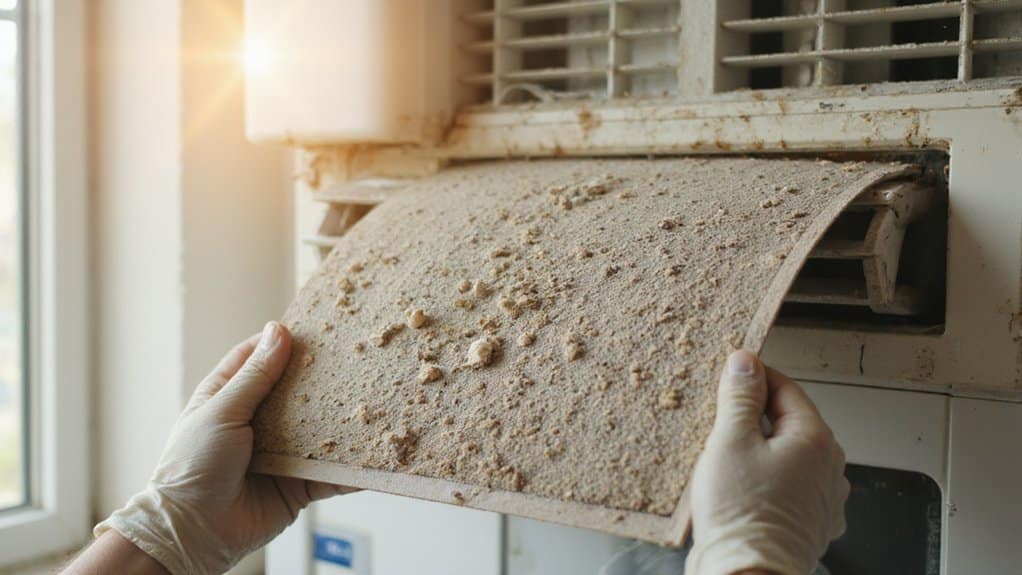
Checking an AC filter doesn’t take long. Start by finding out which type of filter your system uses. Common options include disposable, washable, and electrostatic filters. If you’re not sure, check the owner’s manual or look for information printed on the filter frame.
Try to check the filter once a month during periods when you use the AC regularly. Pull it out and look at the surface. A light layer of dust may be normal, but heavy dust and debris can restrict airflow.
A flashlight can make the buildup easier to see, especially if the filter is installed in a dark return-air area. You can also pay attention to how the air feels from your vents. If the airflow seems noticeably weaker than usual, check the filter.
Disposable filters are commonly replaced every one to three months, while washable filters can be cleaned and reused. Always follow the care instructions provided for your particular filter.
Signs Your AC Filter Needs Replacement
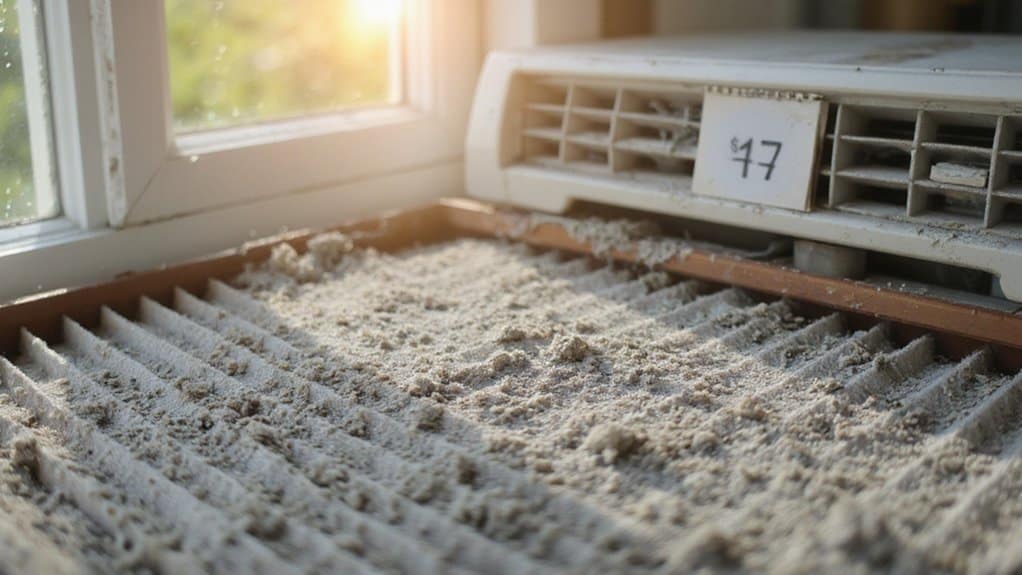
A dirty filter doesn’t always look the same from one home to another. Dust levels, pets, construction work, outdoor conditions, and how often you run the AC can all affect how quickly a filter becomes dirty.
One of the easiest signs to notice is reduced airflow. If the air coming from your vents feels weaker than it normally does, take a look at the filter before assuming there’s a larger AC problem.
A sudden increase in your energy bills can also be a reason to check. A clogged filter can restrict airflow, which may cause the system to run longer while trying to reach the temperature you’ve set.
Then there’s the filter itself. If you can clearly see a layer of dust, dirt, or debris covering much of its surface, replacement may be due.
Your filter’s recommended replacement schedule matters, too. Many disposable filters are changed every one to three months, but some need attention sooner. A household with pets, high dust levels, or frequent AC use may need more frequent changes.
If you’re replacing the filter regularly and it becomes heavily dirty much sooner than expected, the issue may be the filter type, the conditions inside the home, or another part of the system.
Why Regular Filter Changes Matter
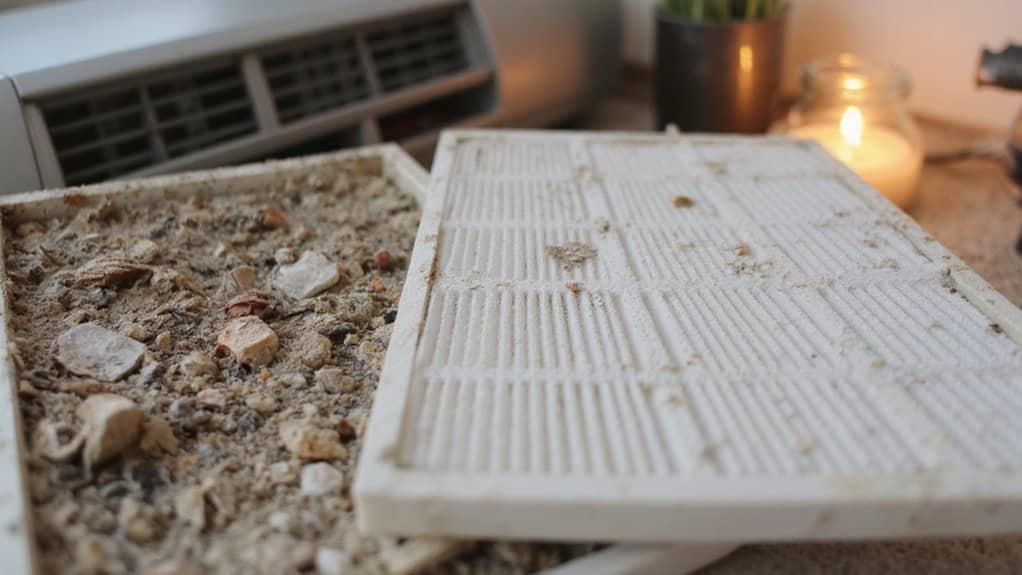
A clean AC filter gives air a clearer path through the system. That can help maintain airflow and reduce the strain caused by a heavily clogged filter.
Filter changes also play a role in indoor air quality. The filter catches particles such as dust, pollen, and pet dander before they continue circulating through the HVAC system.
Keeping up with filter changes can also help you spot other problems earlier. If a new filter becomes dirty unusually fast, or airflow remains weak after replacement, there may be another issue that needs attention.
Improved Air Quality
A clean filter can help keep more indoor pollutants from circulating through your home. Depending on the filter, this can include dust, pollen, pet dander, and other airborne particles.
The filter’s condition matters because a heavily loaded filter can’t move air as freely. A dirty filter may also become less effective at doing the job it was designed to do.
People with allergies or respiratory sensitivities may notice changes in their indoor environment when dust and other particles build up. A clean filter is one part of keeping those particles under control.
Check the filter about once a month so you know what condition it’s in. If it is dirty, replace or clean it according to the manufacturer’s instructions.
The right schedule will vary from one home to another. Checking the filter regularly is more useful than relying on a fixed date alone.
Better System Operation
Your air conditioning system needs adequate airflow to cool your home properly. A clogged filter can make it harder for air to pass through the system.
When airflow is restricted, the AC may need to run longer to reach the temperature on your thermostat. You may notice higher energy use, uneven cooling, or rooms that don’t seem to cool as well as they normally do.
Changing a disposable filter or cleaning a reusable one can help restore airflow when the filter is the cause of the problem.
If airflow stays weak after you’ve installed a clean filter, don’t assume the filter is still the problem. A blocked duct, dirty coil, blower issue, or another system fault may need to be checked by a technician.
Longer Equipment Life
A clogged filter can put extra strain on an AC system by restricting airflow. If the problem continues for a long time, the added strain can contribute to wear on system components.
Regular filter changes are a simple part of routine AC care. They won’t prevent every repair, but they can help avoid problems caused by neglected airflow.
It’s also worth checking that you’re using the correct filter size and type. A filter that doesn’t fit properly can leave gaps or restrict airflow in ways the system wasn’t designed to handle.
When in doubt, check the owner’s manual or the information printed on the existing filter before buying a replacement.
Air Filter Types and Lifespans
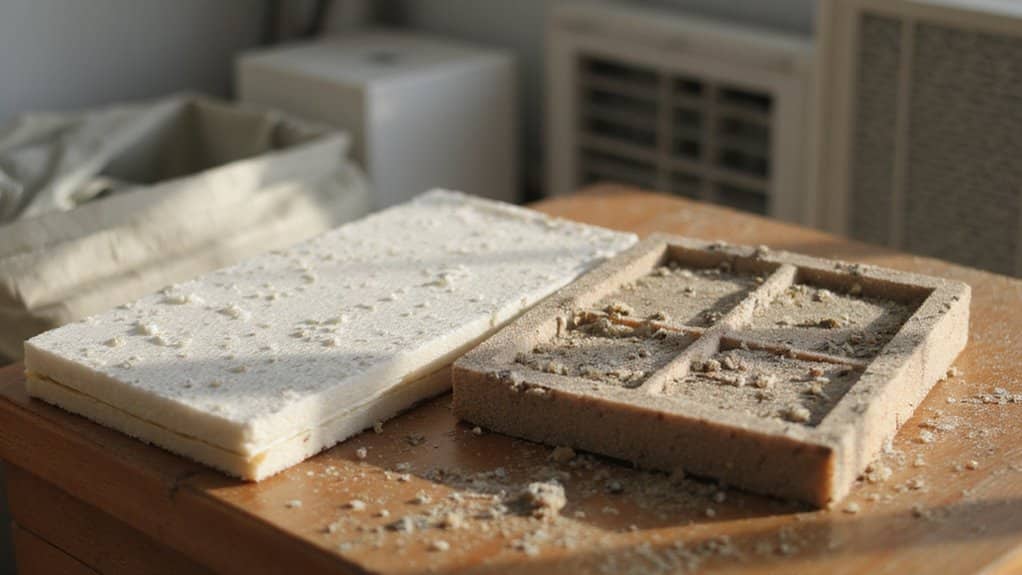
Air filters come in several types, and they don’t all have the same replacement schedule. The filter material, thickness, size, and level of filtration can affect how long it remains useful.
Fiberglass filters are often inexpensive and are commonly replaced every one to three months. Pleated filters can capture more dust than basic fiberglass filters, though their service life still depends on the home and the system.
HEPA filters are designed for high levels of particle filtration, but not every residential AC system is designed to use one. Don’t assume that a higher-filtration filter is automatically a better choice for your unit.
Filter size matters, too. Using the wrong size can lead to poor fit or restricted airflow. Check the dimensions printed on your current filter and compare them with the manufacturer’s specifications.
Rather than relying only on a general lifespan, inspect the filter regularly. If it becomes dirty sooner than expected, replace it sooner.
How Poor Air Quality Affects Your Home
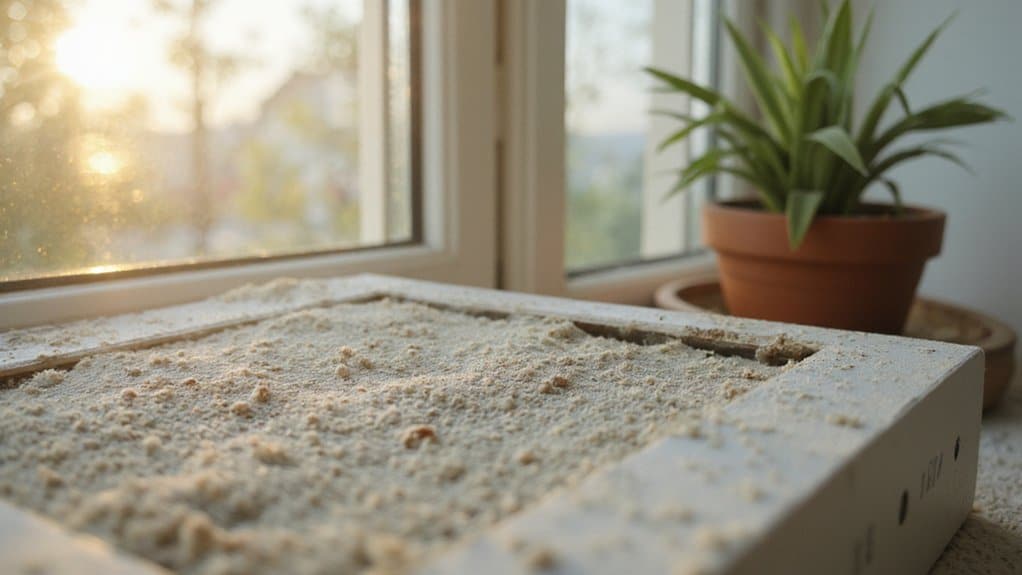
Indoor air can contain dust, mold particles, pet dander, and other substances that affect how comfortable your home feels. Some homes may also have higher levels of volatile organic compounds, commonly called VOCs.
A dirty filter is only one possible cause of poor indoor air quality. Moisture problems, inadequate ventilation, outdoor pollution, cleaning products, and other household sources can also contribute.
You may notice more dust around the home, lingering odors, or increased allergy symptoms. These signs don’t necessarily mean the AC filter is the cause, but they are a good reason to check it.
If indoor air quality continues to be a concern after replacing the filter, look beyond the filter itself. Persistent moisture, musty smells, or visible mold may need separate attention.
Keeping the filter clean is a useful part of regular home maintenance, but it shouldn’t be treated as the only way to improve indoor air quality.
How Air Filters Save You Money on Energy Bills
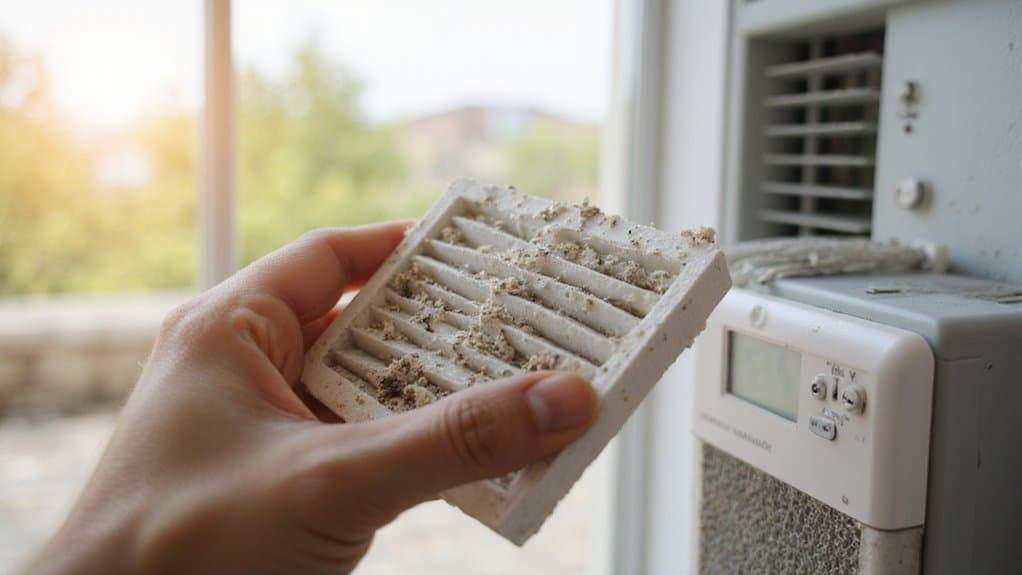
A dirty filter can restrict airflow and make your AC work harder. When the system has difficulty moving enough air, it may run for longer periods to reach the temperature set on the thermostat.
That extra runtime can contribute to higher energy use. If your energy bill suddenly increases, checking the filter is a simple place to start, especially if you haven’t changed it recently.
A clean filter won’t guarantee a lower bill because energy costs also depend on weather, thermostat settings, insulation, equipment condition, and how often the AC runs.
Still, replacing a heavily clogged filter is a small maintenance task that can help the system move air more freely.
If your energy costs remain unusually high after changing the filter, there may be another reason. A technician can check the AC system for issues that aren’t visible during a basic filter inspection.
Improving Indoor Air Quality With Clean Filters
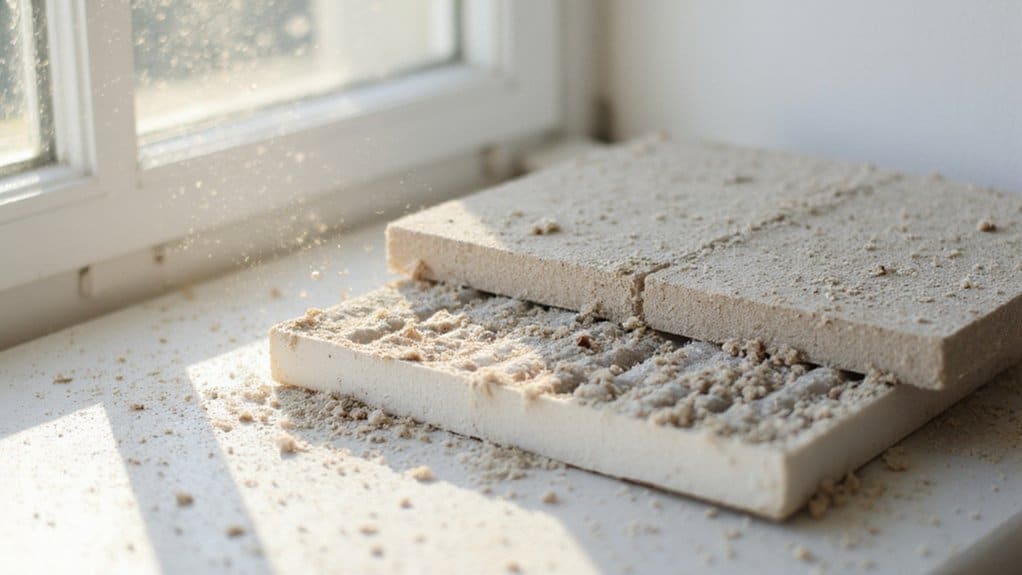
A clean AC filter helps capture dust, allergens, and other particles before they continue through the system. The exact particles it can capture depend on the type and rating of the filter.
If the filter is heavily loaded with dust, you may notice more dust around your home or weaker airflow from the vents. Lingering odors can also be a sign that something else needs attention.
Changing the filter can help, but it isn’t a complete solution for every indoor air quality problem. If odors, moisture, or allergy symptoms continue, look at other possible sources inside the home.
Benefits Of Clean Filters
A clean filter gives your AC a better chance of maintaining normal airflow. It also helps trap airborne particles that would otherwise move through the HVAC system.
For households with pets, frequent dust, or people who are sensitive to airborne particles, regular filter checks can be especially useful.
The filter should still be matched to the equipment. Installing a filter with a much higher filtration rating than the system can handle may restrict airflow.
Follow the filter and equipment manufacturer’s instructions when choosing a replacement. If you’re unsure which filter to use, check the owner’s manual or ask an HVAC professional.
Signs Of Poor Air Quality
Poor indoor air quality can show up in several ways. You might notice more allergy symptoms, such as sneezing, coughing, or itchy eyes. Dust settling quickly on surfaces can also be a clue that more particles are circulating through the home.
A musty odor may point to moisture or mold rather than a dirty filter. It’s worth investigating the source instead of assuming that replacing the filter will solve it.
Temperature changes throughout the home can have several causes, including restricted airflow. If some rooms stay warm while others cool normally, check the filter first. If the problem remains with a clean filter, the HVAC system may need further inspection.
Regular filter checks give you an easy way to catch one common source of airflow and air quality problems before they become more difficult to address.
Steps to Replace Your AC Filter
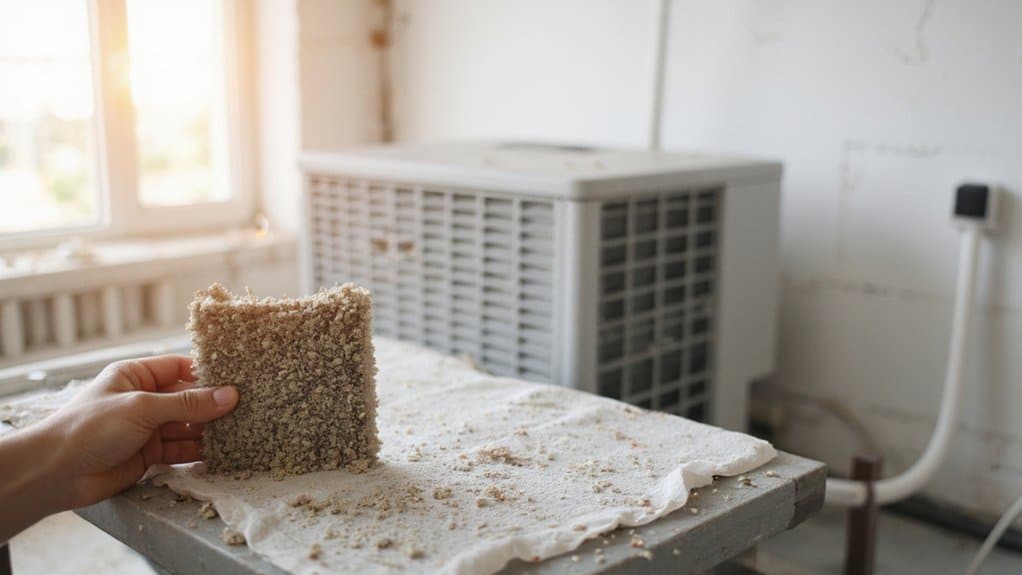
Replacing an AC filter is usually a simple maintenance task. Before you begin, make sure you know where the filter is located and what size your system requires.
Turn off the AC before removing the old filter. The filter is often located behind a return-air grille, inside a return-air duct, or near the air handler, depending on the system.
Remove the old filter and check the size and specifications. Make sure the replacement matches what your system calls for. If the filter looks damaged or doesn’t fit correctly, don’t force it into place.
Look for the arrow printed on the filter frame. It shows the intended airflow direction. Install the new filter so the arrow points in the same direction that air moves through the system.
Once the filter is seated properly, close the grille or access panel and turn the AC back on.
If you have a washable filter, follow the manufacturer’s cleaning instructions instead of replacing it. Give the filter enough time to dry before reinstalling it if the instructions call for washing.
When to Call a Professional for Help?

Changing a filter can solve airflow problems caused by a clogged filter, but not every AC issue starts there.
If you notice unusual noises, inconsistent cooling, or frequent cycling even after installing a clean filter, it’s time to have the system checked.
The same applies if your energy bills suddenly rise and the increase doesn’t have an obvious explanation. A dirty filter is one possibility, but problems with the blower, ductwork, coils, refrigerant, or other components can produce similar symptoms.
You should also seek professional help if you’re unsure which filter your system needs or if the filter doesn’t fit properly.
A technician can inspect the system and determine whether the issue is related to the filter or something deeper within the AC equipment. Getting the problem checked early can help prevent a small issue from becoming a larger repair.
If the problem involves a heat pump rather than a conventional AC system, heat pump repair may be needed to identify and correct the underlying issue.
If your current system is older or requires frequent repairs, you can also discuss whether heat pump installation would be suitable for your home.
Frequently Asked Questions
Can I Clean My AC Filter Instead of Replacing It?
That depends on the type of filter you have. Washable and reusable filters are designed to be cleaned, while many disposable filters are meant to be replaced.
Check the manufacturer’s instructions before washing a filter. Don’t wash a disposable filter unless it is specifically designed for that purpose.
For reusable filters, use the recommended cleaning method and make sure the filter is completely dry before putting it back.
What Happens if I Never Change My AC Filter?
A filter that isn’t changed when needed can become clogged with dust and debris. Restricted airflow may make the AC work harder and can affect cooling performance.
Over time, the extra strain may contribute to wear on the system. A neglected filter can also allow more dust to circulate through the HVAC system.
Regular checks make it easier to replace the filter before it becomes heavily clogged.
How Often Should I Check My AC Filter?
Checking your AC filter once a month is a practical starting point. You may need to check it more often if the AC runs frequently or your home has pets, construction dust, or other conditions that add more particles to the air.
The replacement schedule depends on the filter type and the conditions in your home. Some filters may need changing every month, while others can last longer.
The filter’s appearance is often a better guide than the calendar alone.
Are There Specific Filters for Allergies?
Yes. Some filters are designed to capture smaller airborne particles and may be useful in homes where allergies are a concern.
HEPA filters provide a high level of particle filtration, but they aren’t suitable for every residential AC system. A filter that is too restrictive can affect airflow.
Before choosing a higher-filtration filter, check whether your HVAC equipment is designed to use it. The manufacturer’s specifications can help you choose the right option.
Can a Dirty Filter Cause My AC to Freeze?
Yes, a severely dirty filter can restrict airflow enough to contribute to coil icing in some AC systems.
When not enough warm air moves across the indoor coil, the coil can become too cold and develop frost or ice. If you see ice on the indoor unit or refrigerant lines, turn off the cooling function and have the system checked.
Replacing the filter may help if restricted airflow is the cause, but icing can also be linked to other problems. If the system continues to freeze after the filter has been changed, a technician should inspect it.
Conclusion
Regularly checking your AC filter is a simple part of home maintenance. A filter covered in dust, weaker airflow, uneven cooling, or an unexpected increase in energy use can all be reasons to take a closer look.
For many homes, checking the filter once a month is enough to catch buildup before it becomes a bigger issue. Disposable filters often need replacement every one to three months, while the right schedule can vary based on the filter type and conditions in the home.
If a clean filter doesn’t solve weak airflow, unusual noises, frequent cycling, or uneven cooling, the problem may be somewhere else in the system. That’s when a professional inspection can help identify what’s going on.