

When choosing a heating and cooling system for your home, it helps to know how a heat pump differs from an air conditioner. Both systems can cool your home by moving heat from indoors to outside, but they aren’t designed to do the same job.
A heat pump can heat and cool your home by reversing the direction of its refrigerant cycle. An air conditioner, on the other hand, is designed mainly for cooling. If you also need heating, you’ll usually need a separate heating system.
The right choice depends on your climate, your home’s layout, your heating needs, and how much you’re prepared to spend on installation and ongoing energy use. Here’s a closer look at how these systems work and what sets them apart.
Key Takeaways
- Heat pumps can provide both heating and cooling, while air conditioners are designed primarily to cool indoor spaces.
- Heat pumps move heat rather than creating heat directly, which can make them a cost-effective option for heating in suitable climates.
- Air conditioners are well suited to homes where cooling is the main concern and another system already provides heat.
- Proper installation and routine maintenance can affect the performance and service life of either system.
- Heat pumps can cost more to install, but they may reduce the need for a separate heating system and can lower heating costs in some homes.
Heat Pumps vs. Air Conditioners: Key Differences in Operation
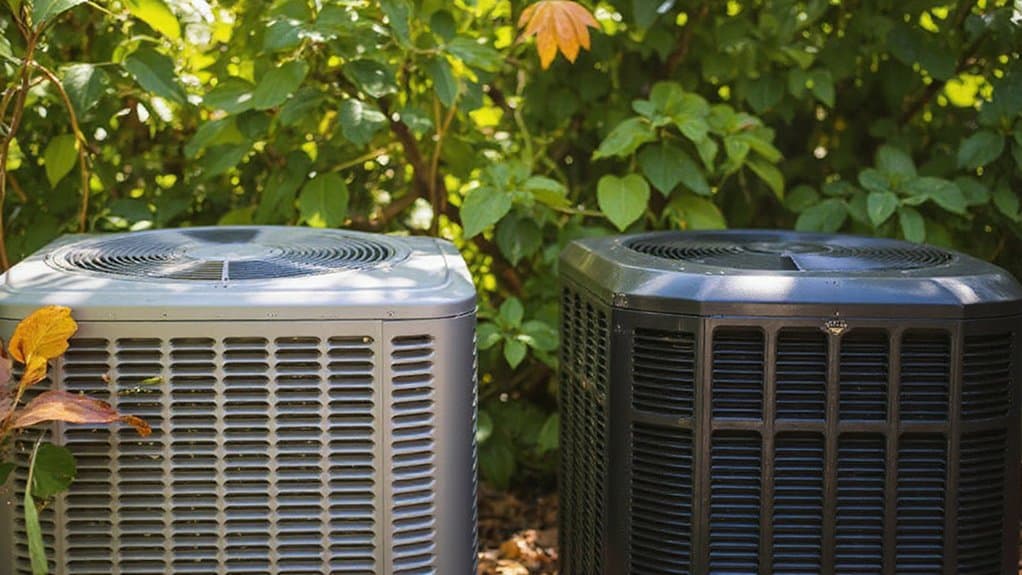
At a basic level, heat pumps and air conditioners work in much the same way when they’re cooling your home. Both use a refrigeration cycle to take heat from indoor air and move it outside.
The biggest difference appears when you need heat.
A heat pump has a reversing valve that changes the direction of refrigerant flow. In cooling mode, the system removes heat from inside the home and releases it outdoors. In heating mode, the cycle reverses, allowing the heat pump to pull heat from outdoor air and bring that heat indoors.
That means one heat pump can handle both sides of your home’s temperature needs. You don’t necessarily need one system for summer cooling and another system for winter heating.
An air conditioner doesn’t work this way. It moves heat out of the house to cool the indoor space, but it isn’t built to reverse the cycle and provide heating. Homes that use a traditional air conditioner often pair it with a furnace, boiler, or another heating system.
The refrigerant also plays an important role in how either system operates. Modern equipment uses refrigerants selected to work within the temperature and pressure conditions required by the system. The type of refrigerant used can affect system performance, environmental considerations, and servicing requirements.
So, while the two systems share much of the same cooling technology, a heat pump has an extra function that makes it useful throughout the year.
Energy Efficiency: Heat Pumps vs. Air Conditioners
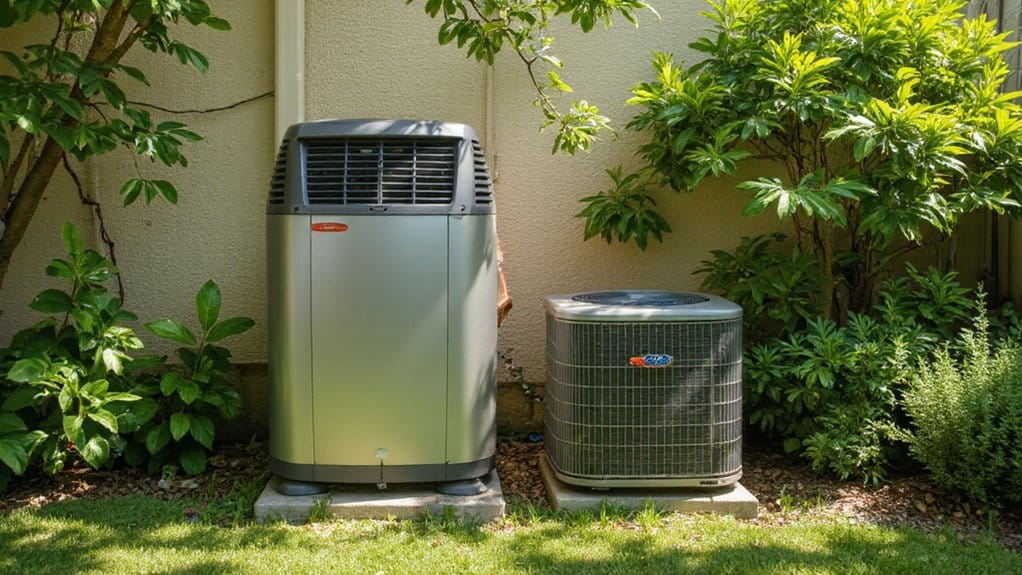
Energy use is another factor worth looking at when you’re comparing a heat pump with an air conditioner.
A heat pump doesn’t create heat by burning fuel or using an electric heating element as its main source of heat. Instead, it moves available heat from one place to another. During heating season, it can pull heat from outdoor air and transfer it into your home.
That process can use less electricity than electric resistance heating. The actual savings depend on the outdoor temperature, electricity rates, equipment, insulation, and how the system is operated.
When a heat pump is cooling, its operation is similar to that of an air conditioner. Both systems use electricity to run a compressor, fans, and other components while moving heat out of the home.
Air conditioners can be a practical choice when cooling is your main concern. If your home already has a separate heating system, installing an air conditioner may make sense without replacing equipment that is already handling winter heating.
It’s also worth paying attention to the ratings used for each system. Cooling performance is commonly described using ratings such as SEER or SEER2, while heating performance for heat pumps is measured using separate heating ratings. Looking at the right ratings gives you a clearer picture of how much energy a system may use throughout the year.
Climate matters, too. Heat pumps tend to work particularly well in areas with moderate heating demands, although cold-climate models are available for homes that experience much lower winter temperatures.
Which Is Better for Heating and Cooling: Heat Pumps or Air Conditioners?
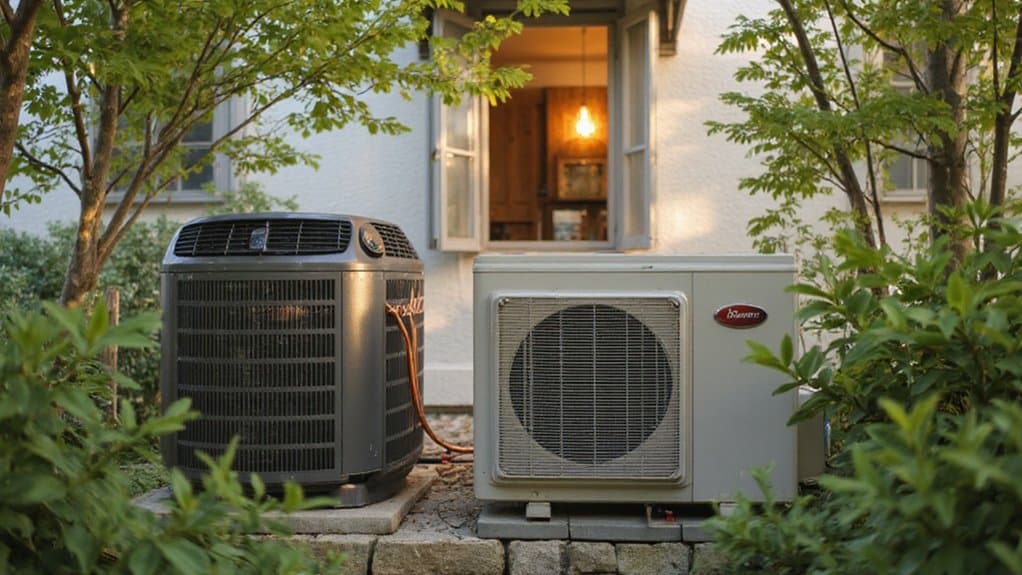
If you want one system to handle both heating and cooling, a heat pump offers that option.
During warmer months, the heat pump operates much like an air conditioner. It removes heat from the indoor air and sends it outdoors. When temperatures drop, the reversing valve changes the direction of the cycle, allowing the system to bring heat indoors.
This can simplify the heating and cooling setup in a home because the same equipment can serve both purposes.
An air conditioner has a narrower role. It provides cooling, but you’ll need a separate source of heat for colder weather. That could be a gas furnace, electric furnace, boiler, or another heating system.
The choice isn’t simply about whether one system can do more. Your existing equipment matters. If you already have a furnace that’s in good condition, replacing only the air conditioner may be a practical option. If you’re installing a new system for both heating and cooling, a heat pump may reduce the need for separate equipment.
Operating costs can also differ from one home to another. A heat pump may use less energy for heating than electric resistance heat, while homes with access to relatively inexpensive natural gas may see different operating costs.
Your local climate, energy prices, insulation, and equipment condition all play a part. Looking at those factors together gives you a more realistic idea of what each system could cost to operate.
What Should You Know About Installation and Maintenance?
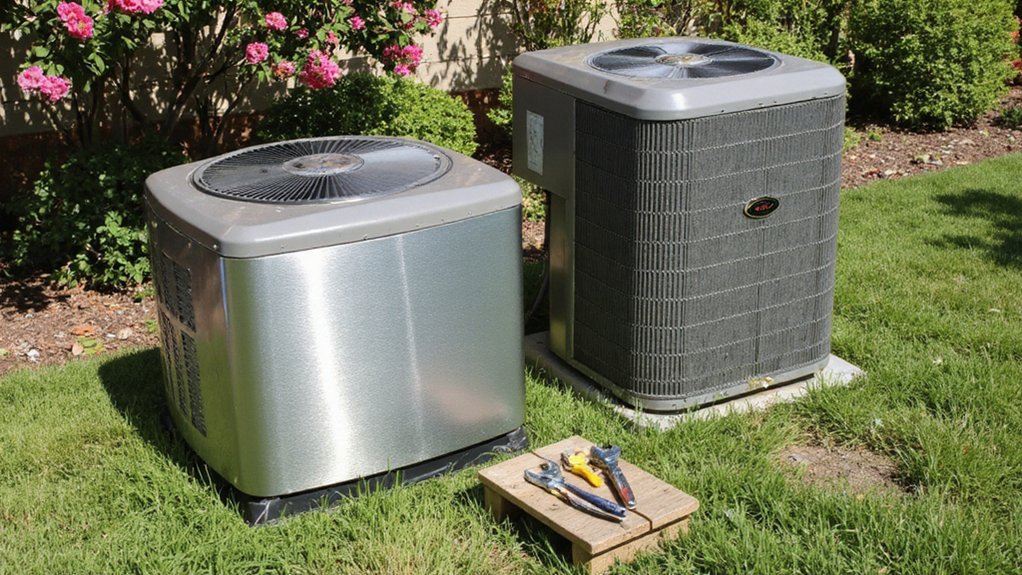
Installation quality matters for both heat pumps and air conditioners. A system that’s too large or too small for your home may not perform as expected, even if the equipment itself has good ratings.
A proper installation starts with choosing equipment that’s appropriately sized for the home. The location of the indoor and outdoor units also matters. The outdoor unit needs enough space for airflow, while the indoor system needs suitable connections to the ductwork or other distribution system.
Ductwork deserves attention as well. Leaky or poorly insulated ducts can waste conditioned air before it reaches the rooms where it’s needed. Sealing problem areas can help the system work as intended.
Routine maintenance is fairly straightforward. Check or replace air filters as recommended for your equipment and household conditions. Dirty filters can restrict airflow and put extra strain on the system.
The outdoor unit should also be kept clear of leaves, grass, dirt, and other debris. Coils need to stay reasonably clean so air can move through the system properly.
A professional inspection can help identify problems before they become larger repairs. Depending on the equipment and local recommendations, homeowners may schedule service once or twice a year, often before the main heating or cooling season.
Maintenance won’t prevent every repair, but it can help keep the system operating properly and may extend the useful life of the equipment.
How to Choose the Right System for Your Home?
Start by looking at how your home is currently heated and cooled.
If you need both heating and cooling and are replacing older equipment, a heat pump may give you a way to handle both jobs with one system. This can be useful when you’re looking for a different approach to home heating and cooling.
Climate should also be part of the decision. Heat pumps can work in colder areas, but their performance depends on the model and outdoor conditions. Cold-climate heat pumps are designed to continue providing heat at lower temperatures.
If you live somewhere with mild winters, a heat pump can be an especially practical option because it can provide heating and cooling without requiring a separate heating system.
Your existing equipment matters just as much. A home with a newer furnace may not need a complete heating system replacement. In that situation, an air conditioner could continue to handle cooling while the furnace handles heating.
Installation costs are another part of the picture. Heat pumps can have higher upfront costs because the equipment needs to provide both heating and cooling. An air conditioner may have a lower initial cost, especially when you’re only replacing an existing cooling system.
Don’t forget to look at energy ratings and available rebates or incentives in your area. These can affect the total cost of a new system.
Home size and insulation should be considered as well. A well-insulated home may have different heating and cooling needs than a poorly insulated one of the same size.
A qualified HVAC professional can assess the home’s size, ductwork, insulation, existing equipment, and local climate before recommending a system. Getting the equipment size right is just as important as choosing the type of system.
Frequently Asked Questions
Can Heat Pumps Work in Extremely Cold Climates?
Yes, heat pumps can work in cold climates, but their performance depends on the model and outdoor temperature. As temperatures fall, the amount of heat available in outdoor air decreases, so the system may need more energy to maintain indoor temperatures.
Cold-climate heat pumps are designed for lower temperatures and can continue operating when standard models may need more support. Some homes also use a backup heating system during very cold weather.
If you live in an area with harsh winters, look for a heat pump that’s specifically rated for cold-weather operation rather than assuming every model will perform the same way.
How Long Do Heat Pumps Typically Last?
A heat pump can often last around 15 years or longer when it’s properly installed and maintained. Actual service life varies based on the equipment, installation, usage, weather conditions, and maintenance.
Outdoor units are exposed to the elements throughout the year, so keeping the area around the unit clear and having the system inspected can help prevent avoidable problems.
Older equipment may also become less cost-effective to repair as major components begin to wear out. A professional can help you compare repair costs with replacement costs when that time comes.
Do Air Conditioners Dehumidify Indoor Air?
Yes. An air conditioner can remove some moisture from indoor air while it cools the home.
Warm indoor air passes over the system’s cold evaporator coil. Moisture in that air can condense on the coil and drain away. This lowers indoor humidity while the air conditioner is running.
The amount of moisture removed depends on factors such as indoor humidity, system size, operating time, and airflow.
If humidity remains high even when the air conditioner is running, there may be an issue with system sizing, airflow, drainage, or another part of the home’s moisture control.
Are Heat Pumps Noisy Compared to Air Conditioners?
Noise levels vary by equipment, installation, and operating conditions. A heat pump may produce sounds that aren’t heard from an air conditioner because it operates in both heating and cooling modes.
For example, a heat pump may change operating sounds when the system switches between modes or enters a defrost cycle in cold weather.
Modern systems are designed with noise reduction in mind, but no heating or cooling system is completely silent. The location of the outdoor unit can also affect how noticeable the sound is inside and outside the home.
If noise is a concern, ask about the equipment’s published sound ratings and where the outdoor unit will be installed.
Can I Use a Heat Pump for Both Heating and Cooling?
Yes. That’s one of the main differences between a heat pump and a standard air conditioner.
A heat pump can cool your home during warmer weather and reverse its refrigerant cycle to provide heat when temperatures drop. This means one system can handle both functions.
The installation cost may be higher than installing an air conditioner alone, but you may not need a separate heating system. Whether that makes financial sense depends on your home’s existing equipment, climate, energy prices, and heating needs.
Choosing Between a Heat Pump and an Air Conditioner
The main difference between a heat pump and an air conditioner comes down to what each system can do.
An air conditioner is designed to cool your home. If you already have a separate heating system and you’re mainly concerned with summer comfort, an air conditioner may fit your setup.
A heat pump can provide both heating and cooling. It uses the same basic refrigeration process as an air conditioner when cooling, then reverses the cycle to provide heat during colder weather.
Your climate and existing HVAC equipment should play a major role in the decision. Installation cost, energy use, system size, insulation, maintenance, and available rebates can also affect the overall cost of ownership.
Take the time to compare the equipment options based on how your home is actually used. A properly sized and installed system can make a noticeable difference in indoor comfort and day-to-day energy use.