


Thinking about getting a heat pump for your home? It’s not a small decision. While they’re great for saving energy and offering both heating and cooling, they can cost more upfront and perform differently depending on where you live. Here’s what to know before you commit.
Key Takeaways
- Heat pumps can lower your energy bills compared to traditional systems.
- They handle both heating and cooling year-round.
- Installation costs more, but long-term savings and environmental benefits often make up for it.
- Correct sizing and maintenance are essential for good performance.
- In very cold areas, a backup heating source may still be needed.
How Heat Pumps Actually Work
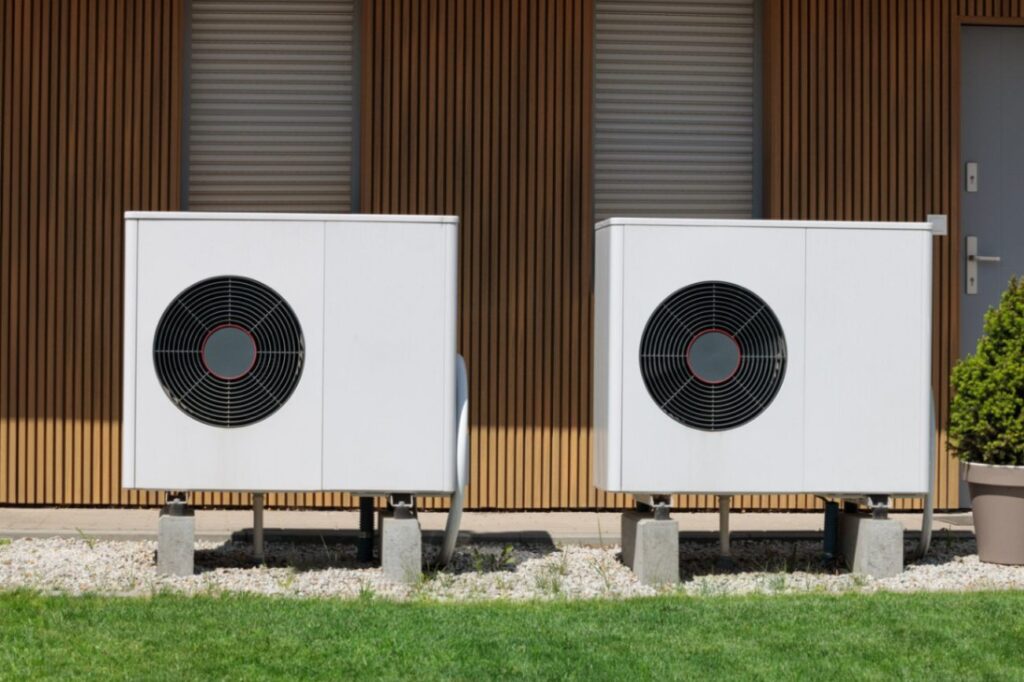
A heat pump isn’t two systems—it’s one unit that can both heat and cool your home by moving heat instead of generating it. In winter, it pulls warmth from the air or ground outside and brings it in. In summer, it does the opposite, pushing heat out to cool your home.
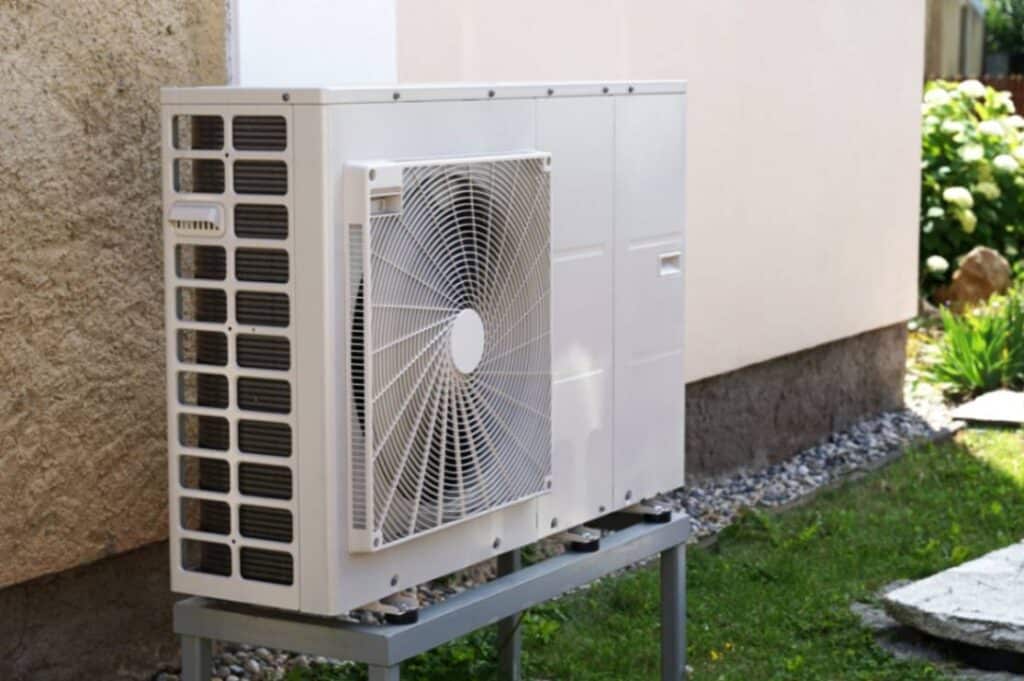
There are different types: air-source, ground-source (also called geothermal), and water-source. Air-source units are most common and pull heat from the outdoor air, while ground-source systems tap into the steady temperature underground. Both options are known for using less electricity than they produce in heating or cooling power, which is why they’re considered energy-efficient.
Why Homeowners Like Heat Pumps
If saving money on energy bills is your goal, a heat pump can help. Because it transfers heat instead of creating it, it uses far less power than gas or electric furnaces. That efficiency often translates to noticeable savings over time.
They also help the environment by lowering your home’s carbon footprint. Since they rely on electricity rather than burning fuel, they produce fewer greenhouse gases.
Comfort-wise, you’ll notice steadier indoor temperatures throughout the year. No more switching between different systems or dealing with temperature swings. When installed and maintained properly, a heat pump is a smart choice that pays off over time—for both your wallet and the planet.
What to Watch Out For
Heat pumps aren’t perfect for everyone. The main downside is the higher upfront cost. Between the equipment and installation, the price can exceed what you’d pay for a basic furnace or AC. You might also need some adjustments to your home’s electrical system.
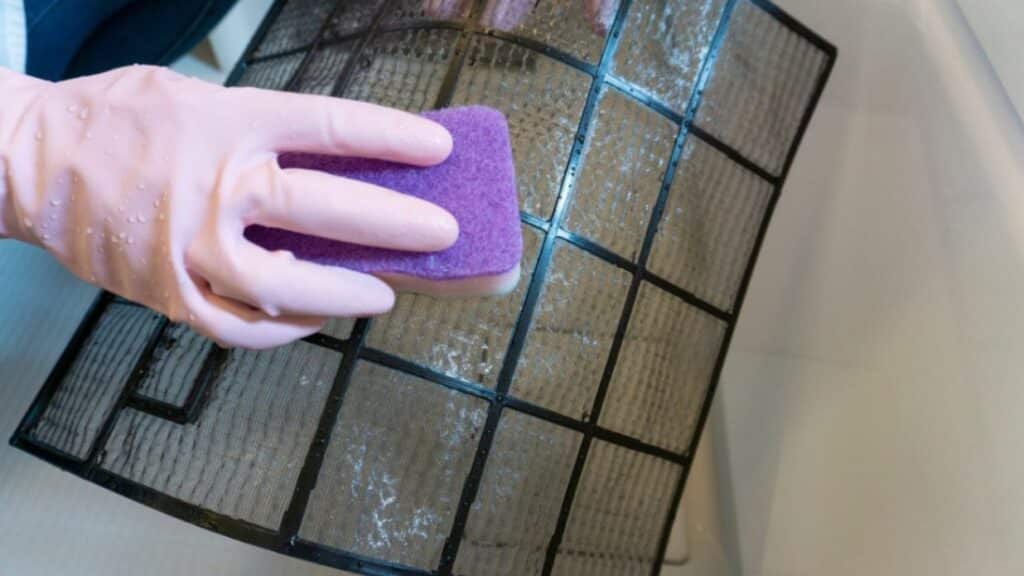
They also need regular maintenance—cleaning filters, checking refrigerant, and having a technician inspect the system once a year. Skipping this can cause efficiency problems or raise your energy bills.
Another factor is your climate. If you live somewhere with freezing winters, your heat pump might need help from a secondary heat source to keep your home warm enough.
What Affects Efficiency
How well your heat pump performs depends on several things. Climate is the biggest factor—extremely cold or hot weather can make it work harder and use more energy.
Proper sizing matters too. A system that’s too large will turn on and off too often, while one that’s too small will struggle to keep up. A professional installer can calculate the right size based on your home’s insulation, layout, and square footage.
Finally, installation quality and upkeep make a huge difference. Even a top-rated unit won’t perform well if it’s poorly installed or never serviced.
Heat Pumps vs. Traditional Systems
Unlike furnaces that burn fuel to create heat, heat pumps simply move heat from one place to another. This makes them more efficient and gives them a big advantage—they can both heat and cool your home.
Furnaces and boilers often cost more to run because of fuel use, while heat pumps rely mainly on electricity. They also tend to last longer and require less maintenance. That said, furnaces still work better in extremely cold regions, especially without backup systems.
FAQs
How long does a heat pump last?
Usually 15–20 years, depending on installation and maintenance. Regular service helps extend its life.
Can they work in all climates?
Yes, but their efficiency drops in very cold temperatures. In such cases, a hybrid setup with a backup heater is a good idea.
What kind of maintenance do they need?
Change or clean filters regularly, keep the coils clean, and get an annual checkup from a technician to keep everything running smoothly.
What size should I get?
It depends on your home’s size, insulation, and local weather. A qualified HVAC contractor can calculate the right capacity for you.
Are they noisy?
Most heat pumps are no louder than a refrigerator. If you’re sensitive to sound, some models are built specifically for quiet operation.
Final Thoughts
If you’re looking for a system that can heat and cool your home efficiently, a heat pump is worth considering. Just make sure it fits your climate and budget. Talk to a trusted installer, weigh the pros and cons, and decide what makes sense for your home. Done right, a heat pump can bring comfort, savings, and peace of mind for years to come.