


Skipping regular HVAC maintenance might not seem like a big deal—until your system breaks down in the middle of summer or winter. Keeping up with inspections and cleanings doesn’t just prevent that headache; it also saves you money in ways most people don’t realize. Clean filters, well-lubricated parts, and routine tune-ups mean your unit doesn’t have to work as hard, which means lower bills and fewer expensive repairs later on.
Key Takeaways
- Routine maintenance helps catch small problems early before they turn into expensive repairs.
- Clean filters and tuned systems run more efficiently, cutting your energy bills.
- Regular check-ups extend your HVAC system’s life, delaying the need for replacement.
- Better airflow reduces strain on parts and keeps your system working smoothly.
- Scheduling maintenance keeps your home comfortable and your wallet happier year-round.
Why Regular Inspections Matter
It’s easy to assume your HVAC system is fine as long as it’s blowing hot or cold air, but that’s not always true. Regular inspections help spot early warning signs before they become major problems.
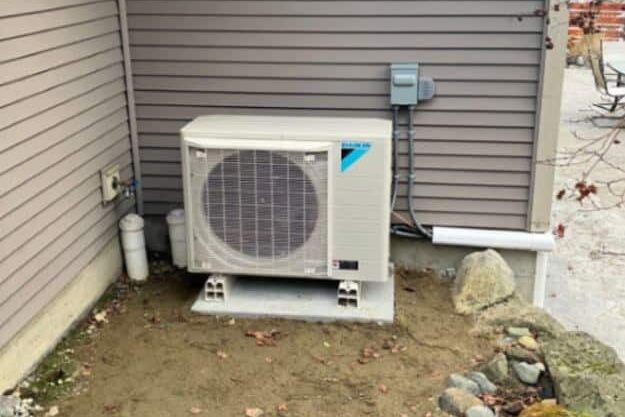
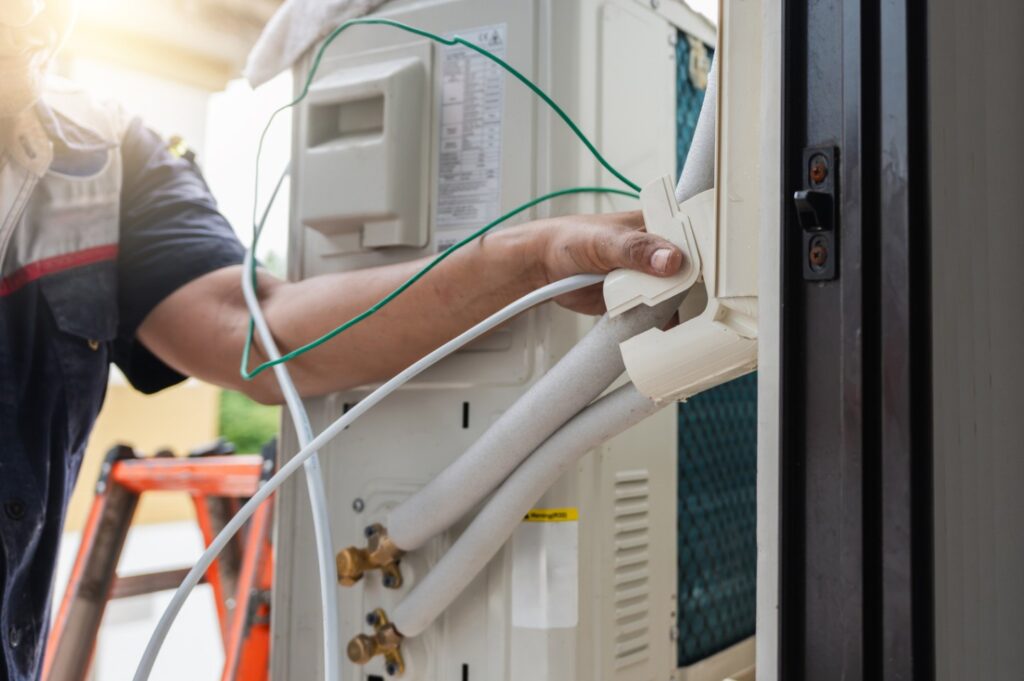
During a check-up, a technician might clean coils, check refrigerant levels, and tighten electrical connections—all small things that keep your system running efficiently. These routine visits also help your system use less energy, which directly lowers your bills.
Think of it like changing the oil in your car. Skipping it might seem harmless at first, but the wear and tear add up fast. Routine HVAC inspections are the same way—they protect your comfort and your wallet.
How Maintenance Prevents Expensive Repairs
Catching small issues early saves you a lot in the long run. A clogged filter or loose wire might not seem like much, but over time they can lead to system failures that cost hundreds or even thousands to fix.
Regular maintenance gives technicians a chance to clean dirt buildup, tighten connections, and replace worn-out parts before they cause bigger problems. This keeps your system reliable and running longer, without those surprise repair bills.
How Maintenance Improves Energy Efficiency
A well-maintained HVAC system doesn’t have to work as hard, which means it uses less energy. Something as simple as replacing or cleaning filters regularly can make a big difference in airflow and performance.
You can also add efficiency upgrades like a programmable thermostat or make sure your ducts are sealed properly. When everything works together smoothly, your home stays comfortable without wasting energy—and your utility bills stay lower.
How Maintenance Extends Your HVAC’s Lifespan
Every machine lasts longer when it’s cared for, and your HVAC is no different. Cleaning coils, checking refrigerant, and replacing filters all help your unit run smoothly and reduce stress on major parts.
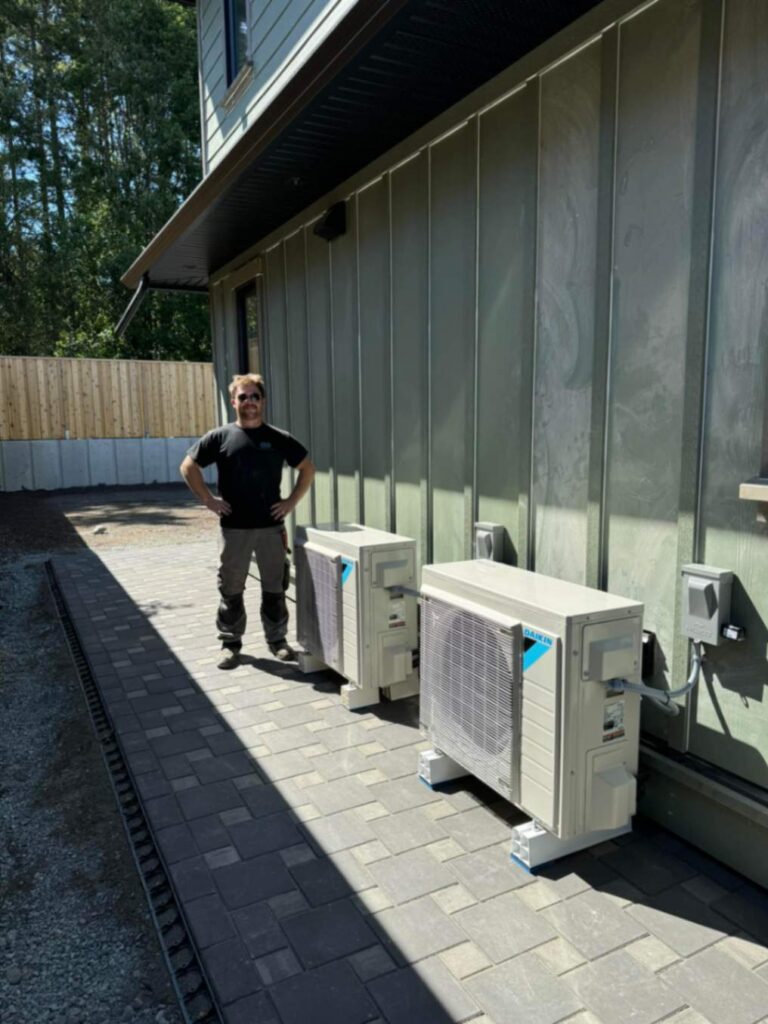
Regular inspections also reveal wear and tear before it gets serious. Handling those small issues early means your system can last years longer than one that’s ignored. It’s a simple habit that pays off big over time.
Why Professional Maintenance Is Worth It
Sure, you can change filters or clear vents yourself, but a professional technician can spot things you’ll probably miss. They have the tools and experience to make precise adjustments, check refrigerant levels, and test components that keep your HVAC working efficiently.
Many companies offer maintenance plans that schedule these visits for you, so you never forget. The upfront cost is small compared to what you’ll save in energy bills and avoided repairs.
Honestly, professional maintenance is one of those things that feels optional—until you see how much money it actually saves.
Frequently Asked Questions
How often should HVAC maintenance be done?
Twice a year is best—once in the spring and once in the fall. You can also do quick visual checks monthly to catch anything unusual early.
Can I handle HVAC maintenance myself?
You can handle basics like replacing filters or cleaning vents, but anything electrical or refrigerant-related should be left to professionals. It’s safer and ensures the work’s done right.
What signs mean my HVAC needs attention?
Weird noises, uneven temperatures, or higher bills are big warning signs. Don’t ignore them—these usually point to a system that needs maintenance soon.
Are there seasonal maintenance tasks I should know about?
Yes. In spring, focus on cleaning filters and checking refrigerant levels. Before winter, check insulation and make sure your system can handle colder weather.
How do I find a reliable HVAC company?
Check reviews, ask for certifications, and make sure they’re upfront about pricing. A trustworthy company will explain what they’re doing and why.
Final Thoughts
Regular HVAC maintenance isn’t just about comfort—it’s about saving money and avoiding stress. Staying on top of it means fewer repairs, lower bills, and a system that lasts for years.
If you’d rather not worry about it yourself, hire a professional for routine service. It’s a simple, smart move that keeps your home comfortable and your wallet happy.