


If your air conditioner isn’t cooling like it should, you’re definitely not the only one. Homeowners often run into issues like weak airflow, strange noises, or the system turning on and off too often. Some problems are simple fixes, while others need professional help. Here’s what might be going wrong—and what you can do about it.

Key Takeaways
- Poor cooling usually means dirty filters or blocked ducts. Change or clean filters regularly to keep air moving freely.
- Odd noises, such as rattling or squealing, often mean loose parts or motor problems. Check and tighten anything that’s out of place.
- If your system keeps cycling on and off, your thermostat or filter might be the culprit.
- Water leaks often come from clogged drain lines. Turn off the system and clear out any blockages.
- Bad smells can mean mold or burnt wiring. Clean or replace filters and have wiring checked right away.
Ineffective Cooling
If your AC isn’t keeping your home cool, start with the basics—airflow. Dirty filters, blocked vents, or dusty ducts can stop air from moving properly. Check and replace filters every month or two during heavy use.
Another possible reason is a thermostat problem. If it’s not calibrated correctly or set too high, your AC won’t know when to kick in. Make sure it’s working and set at the temperature you actually want. Sometimes a simple thermostat reset can solve a lot.
Strange Noises
Hearing clunks, rattles, or high-pitched whines? That’s your AC’s way of asking for help. A rattling sound could mean loose screws or parts, while a squeal usually points to a belt or motor issue.
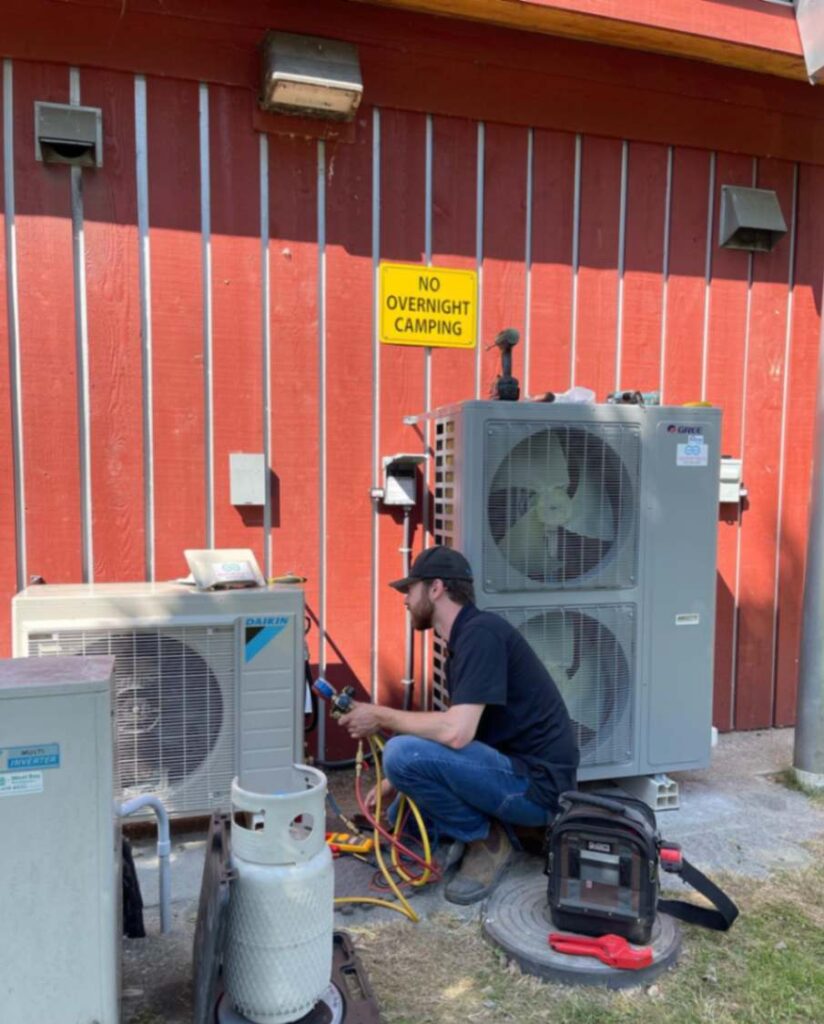
Turn off the system and give it a quick check. Tighten anything loose, clear out debris near the fan, and see if lubrication helps moving parts run smoother. If the noise sticks around, call in a technician before a small issue turns into a big repair.
Frequent Cycling
If your AC keeps turning on and off every few minutes, it’s working too hard—and wasting energy. Most of the time, this happens because of a bad thermostat or a dirty air filter.
Try replacing the filter first and make sure your thermostat is set correctly and working properly. A poorly placed thermostat (like one near a vent or window) can also trick your system into cycling too often.
Leaking Water
Seeing puddles around your AC unit? That’s usually from a clogged drain line. Dust, dirt, and even algae can block the line and stop condensation from draining.
Turn the system off, then use a wet/dry vacuum or a plumber’s snake to clear the line. Once it’s open again, run a bit of vinegar through it every few months to keep things clean. Regular maintenance goes a long way in preventing leaks.
Foul Odors
If your AC smells musty or burnt, don’t ignore it. Mold and mildew love damp spots inside your unit, especially around the drain pan or coils. A burning smell, on the other hand, could mean an electrical issue.
Clean or replace your air filters and clear any standing water. If you suspect wiring problems, shut the unit off and call a technician immediately. Staying on top of cleaning can help your home smell fresh and keep the air healthy.
Frequently Asked Questions
How often should I service my air conditioner?
Once a year is best. Regular maintenance keeps your system efficient, lowers energy bills, and helps it last longer.
What size air conditioner do I need?
You’ll need about 20 BTUs for every square foot of space. Take into account your home’s insulation, ceiling height, and sunlight exposure when deciding.
Can I install an air conditioner myself?
You can, but it’s tricky. You’ll need electrical knowledge and proper sealing skills. If you’re unsure, hiring a pro is the safer choice.
How long does an air conditioner last?
Most last around 15 to 20 years. Cleaning filters, keeping parts maintained, and fixing small issues early can help it reach the higher end of that range.
How can I make my air conditioner more energy efficient?
Keep up with filter changes, schedule annual tune-ups, and set your thermostat a few degrees higher when you’re not home.
Final Thoughts
Dealing with AC problems isn’t fun, but most of them are preventable with regular care. Change your filters, keep the drain line clean, and pay attention to new noises or smells. Catching small issues early keeps your home cool and your system running for years. And if something seems off, calling a professional sooner rather than later can save you a lot of trouble—and money.