


When summer hits Vancouver Island, your air conditioner becomes one of the hardest-working systems in your home. Keeping it running efficiently not only keeps you comfortable but also saves money. You probably know basic maintenance matters, but a few smart habits can make a big difference in how well your AC performs. Here’s how to stay cool without overworking your system or your wallet.

Key Takeaways
- Know what kind of AC you have and keep the thermostat around 24°C (75°F) for comfort and efficiency.
- Get regular maintenance and make sure vents stay clear for better airflow.
- Seal gaps around windows and doors and add insulation to keep cool air in.
- Use ceiling fans along with your AC to move air and reduce energy use.
- Close curtains or blinds during the hottest parts of the day to keep rooms cooler.
Understand Your Air Conditioning System
Before anything else, it helps to know what kind of air conditioning system you’re using. The three main types are central air, ductless mini-splits, and window units.
Central air is best for larger homes and keeps the whole space cool evenly. Ductless mini-splits work great for individual rooms or additions where you don’t have ducts. Window units are the most affordable option for smaller areas.
Each type works differently, so their energy use and maintenance needs vary. Knowing your system helps you use it smarter and keep it running smoothly through the summer.
Schedule Regular Maintenance
If you want your AC to keep up during the summer heat, regular maintenance is a must. Skipping it can lead to higher bills, weaker cooling, or even a full breakdown.
Why Routine Inspections Matter
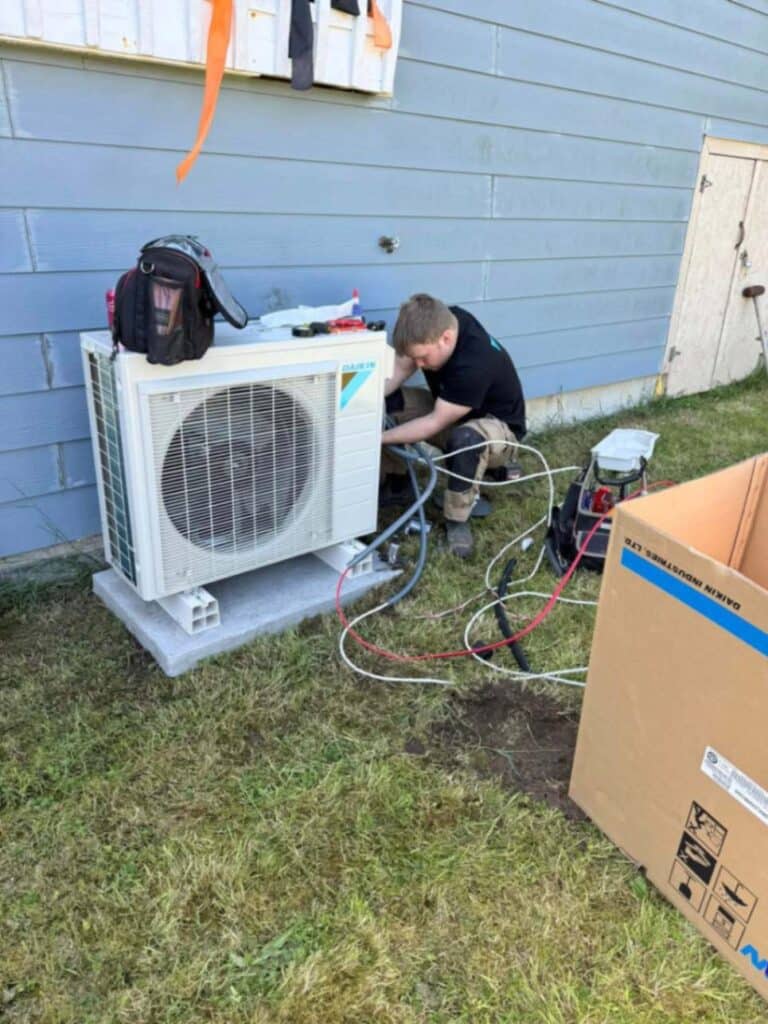
Think your AC is fine as long as it’s blowing cold air? Not always. Small issues—like low refrigerant, dirty coils, or loose connections—can build up quietly and cause bigger problems later. A trained technician can spot and fix these before they get expensive. Regular checkups also keep your AC working efficiently, which means lower energy use and fewer repairs down the road.
The Benefit of Professional Servicing
Getting a professional to inspect your AC once a year is one of the smartest things you can do. They’ll clean parts, check for leaks, and make sure everything’s calibrated. This keeps your system running reliably and can even extend its lifespan. You’ll notice better cooling, steadier temperatures, and lower utility bills—without the stress of surprise breakdowns.
Optimize Your Thermostat Settings
The way you set your thermostat can make a big difference in comfort and cost. Most people find 24°C (75°F) to be the sweet spot for cooling without wasting energy.
Avoid constantly changing the temperature—it makes your system work harder. Instead, pick a setting that feels right and leave it there.
Why a Programmable Thermostat Helps
A programmable thermostat takes the guesswork out of temperature control. You can set it to raise the temperature while you’re out and cool things down before you get home. Some models even let you adjust settings from your phone. It’s a simple way to save energy while keeping your home comfortable.
Zone Control for Even Cooling
If you’ve got rooms that always feel hotter or cooler than others, a zone control system can help. It lets you cool specific areas instead of the whole house, which saves energy and keeps everyone comfortable. You’ll use less power and avoid running your AC harder than necessary.
Seal and Insulate Your Home
If cool air keeps escaping, your AC has to work overtime. Check for leaks around doors, windows, and vents. A bit of weatherstripping or caulk can make a big difference.
Good insulation matters too—especially in attics and walls. Materials like fiberglass or foam help keep the cool air in and the heat out. Don’t forget the ducts; sealing any leaks there can improve efficiency and airflow throughout your home.
Use Fans Effectively
Fans and AC make a great team. A ceiling or box fan can move air around so your home feels cooler without lowering the thermostat.
Try using fans near windows at night to pull in cooler air or to push hot air out during the day. If your fan has a speed or oscillation option, play around with it until you find what feels best. This simple habit can reduce how often your AC needs to kick on, saving you energy and money.
Block Direct Sunlight
Sunlight streaming through windows can heat up a room fast. Close blinds or curtains during the hottest hours of the day to keep indoor temps lower. Blackout curtains or reflective blinds work especially well.
You can also use window films that reflect UV rays to help cut down on heat and glare. Small changes like these can keep your home much cooler.
Keep Vents Clear and Unobstructed
If air can’t flow freely through your vents, your AC won’t cool efficiently. Dust, furniture, or even rugs can block airflow.
Take a few minutes to check every vent in your home. Keep furniture a few inches away, and clean the grilles if they look dusty. Good airflow means more consistent cooling and less strain on your AC.
Consider Energy-Efficient Upgrades
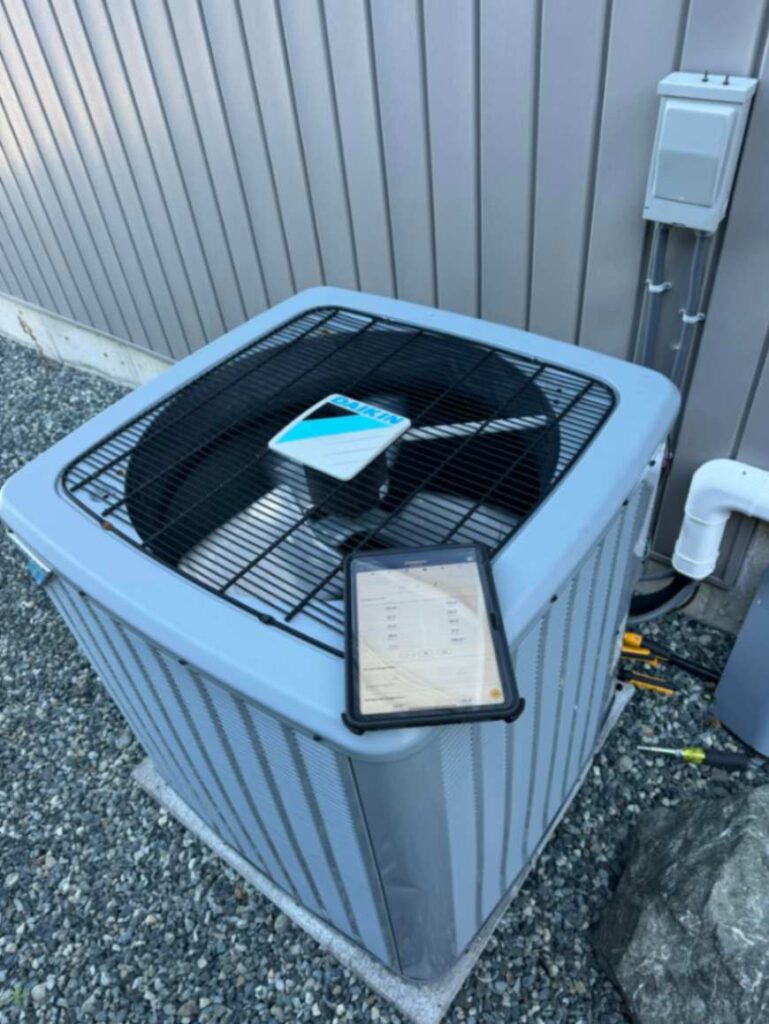
If your system’s getting old, upgrading to an energy-efficient model can make a big difference. Look for air conditioners with high SEER ratings—they use less electricity while cooling better.
Smart thermostats and Energy Star–rated appliances also help cut down energy use automatically. These upgrades might cost more upfront but save a lot in the long run, especially during those hot Vancouver Island summers.
Stay Hydrated and Cool Indoors
Even the best AC can’t do all the work. Staying hydrated helps your body handle heat better. Try drinking at least eight glasses of water a day—add lemon or fruit if plain water feels boring.
Do activities that keep you cool and relaxed, like reading, crafts, or movie nights. Use fans to circulate cool air, and avoid running heat-generating appliances like ovens during the day.
Frequently Asked Questions
What Are Common Signs My AC Needs Repairs?
If your AC isn’t cooling well, makes odd noises, or your energy bill suddenly jumps, it’s time for a check-up. Don’t ignore inconsistent temperatures—your system could need a repair before it fails completely.
How Often Should I Change My AC Filter?
Every one to three months is ideal. Clean filters help your AC run smoothly and keep the air inside your home cleaner. If you have pets or allergies, you might need to change them more often.
Can Plants Near My AC Unit Affect Efficiency?
Yes. If plants or shrubs are too close to your outdoor unit, they can block airflow. Keep at least two feet of space around it so your system can breathe and work properly.
What Temperature Should I Set My AC For Cooling?
Most homes feel comfortable between 72°F and 78°F. This range gives a good balance between comfort and energy use.
Are Portable Air Conditioners Effective for Home Cooling?
They can be, especially in small spaces or apartments. But they’re not great for big areas and can be a bit noisy. Think of them as a quick fix rather than a long-term solution.
Final Thoughts
Keeping cool on Vancouver Island doesn’t have to mean sky-high energy bills. Take care of your AC, seal up your home, and use fans and blinds to your advantage. If your system’s aging, upgrading to a more efficient model might be worth it. Stay cool, stay hydrated, and your summer will be a lot more comfortable.