


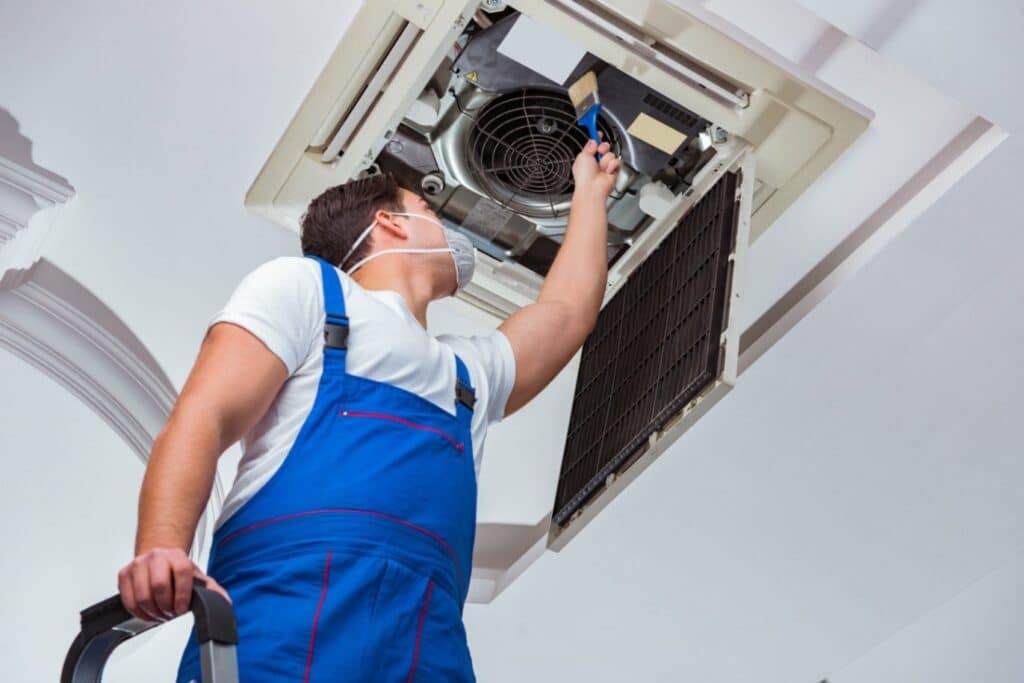
If you want your HVAC system to last for years, regular maintenance is key. That means changing air filters, scheduling inspections, and keeping everything clean. Skip these steps, and you’ll probably end up dealing with higher bills and frequent repairs. So, what can you actually do to help your HVAC system run smoothly for the long haul?
Key Takeaways
- Change air filters every 1–3 months to keep airflow strong and indoor air fresh.
- Book yearly professional inspections to catch small problems early.
- Keep your HVAC unit clean and free from debris for better airflow.
- Check and seal ductwork to stop energy loss and improve efficiency.
- Adjust thermostat settings seasonally and do quick maintenance checks to save energy and extend lifespan.
Understand Your HVAC System Components
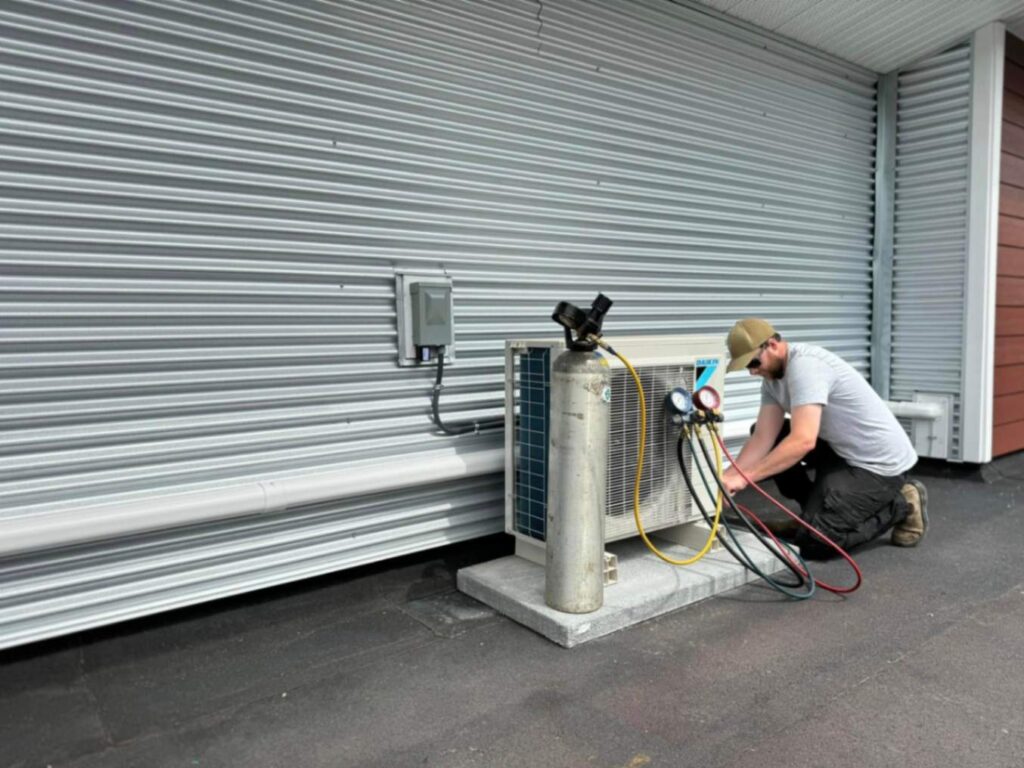
To take care of your HVAC system, it helps to know what each part does. The main components are the compressor, condenser, evaporator coil, and air handler.
The compressor moves refrigerant through the system. The condenser releases heat outside, while the evaporator coil pulls heat from the air inside your home. The air handler then circulates that cooled or heated air through your ducts.
Each part depends on the others. If one starts failing, it can throw off the entire system. Knowing how these parts work makes it easier to spot issues early and call for maintenance before things get worse.
Change Air Filters Regularly
If there’s one maintenance step you can’t ignore, it’s changing your air filters. Clean filters help your system breathe easier, improve air quality, and keep energy use low. Dirty ones, on the other hand, make your system work harder, wearing it out faster.
Importance of Clean Filters
A clean air filter keeps your HVAC system efficient and your indoor air healthy. When filters get clogged, airflow drops, forcing your system to push harder. That leads to more wear and higher bills. Clean filters trap dust, allergens, and debris, keeping your air cleaner and your home more comfortable. Check them regularly and replace them when they start looking dirty—it’s one of the simplest ways to prevent breakdowns.
Recommended Filter Replacement Schedule
How often should you change them? Usually every one to three months. If you have pets or allergies, monthly replacements work best. Always check your manufacturer’s instructions—some high-efficiency filters last longer. The goal is simple: keep airflow steady and your system from straining.
Choosing the Right Filter
Not all filters are the same. HEPA filters capture nearly all particles, which helps if you have allergies. Pleated filters strike a good balance between efficiency and airflow. Fiberglass filters are cheaper but less effective. Check the MERV rating before buying—higher ratings mean better filtration but can limit airflow if your system isn’t built for it. Whatever you choose, change it regularly to protect both your HVAC and your indoor air.
Schedule Annual Professional Inspections
Even if your system seems fine, yearly checkups are worth it. A technician can catch small issues before they become expensive repairs and make sure everything’s running efficiently.
Importance of Regular Inspections
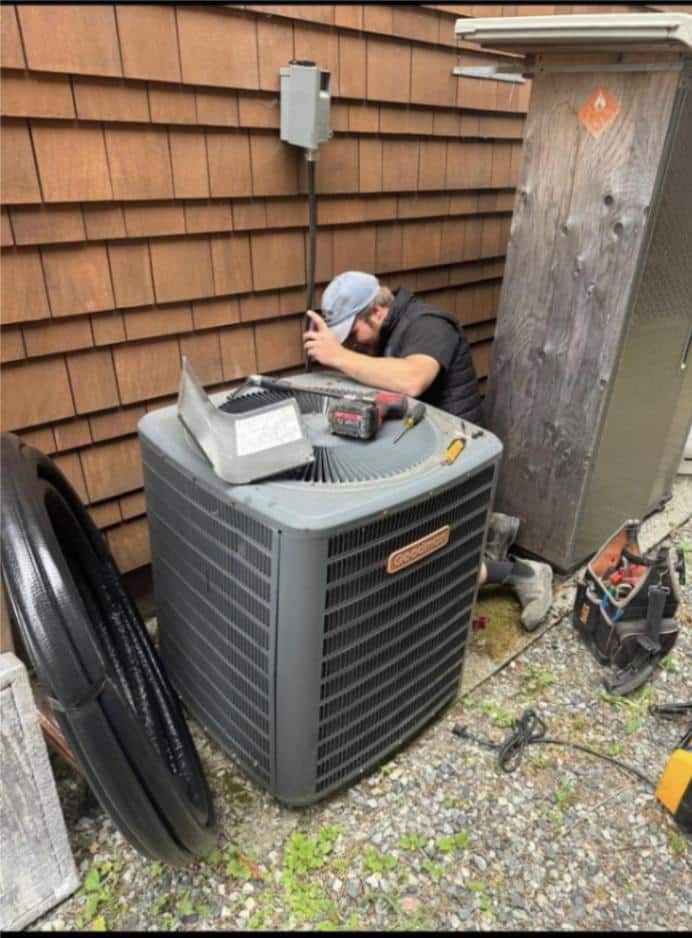
An annual inspection helps your HVAC system stay reliable and energy-efficient. During the visit, a technician checks parts like coils, filters, and refrigerant levels, cleaning and adjusting them as needed. These tune-ups lower your energy bills, improve air quality, and keep your warranty valid. It’s a small investment that can save you from major costs later.
Identifying Potential Issues Early
Ignoring maintenance is tempting—until your system suddenly stops working on a hot or freezing day. Regular inspections help spot early warning signs like loose parts, worn belts, or refrigerant leaks. Technicians also listen for odd noises or detect performance dips before they cause breakdowns. Addressing issues early keeps your home comfortable and avoids emergency repair bills.
Clean Your HVAC Unit
Dirt and debris can quietly destroy your HVAC system’s efficiency. Always turn off the power before cleaning. Remove leaves and debris from around the outdoor unit so air can flow freely. Clean or replace air filters every few months, and wipe down dust on vents and coils inside. Don’t forget to check the drain pan and lines—clogs can lead to leaks or water damage. A clean system runs better, lasts longer, and costs less to operate.
Check and Seal Ductwork
Leaky ducts waste energy and make your system work harder than it should. Look for gaps, cracks, or loose connections in accessible ductwork. When you find leaks, seal them with mastic sealant or metal tape (not regular duct tape). You can also insulate ducts in basements or attics to keep air at the right temperature as it moves through your home. Sealing ducts is one of the easiest ways to boost efficiency and comfort.
Monitor Thermostat Settings
Your thermostat plays a bigger role than you might think. If it’s not calibrated correctly, your system can run longer than necessary and drive up your bills. Try setting it to around 78°F in summer and 68°F in winter for good efficiency. Programmable or smart thermostats make things easier by automatically adjusting temperatures when you’re asleep or away. Small changes in thermostat habits can save you money and reduce system wear.
Ensure Proper Insulation
Insulation helps your HVAC system maintain comfortable temperatures without overworking. Poor insulation means your system constantly compensates for heat loss or gain. Check attics, basements, and walls for missing or thin insulation. Materials like fiberglass, cellulose, or foam all work well, as long as they’re properly installed. Also, seal gaps around doors and windows to keep air from escaping. Good insulation cuts energy costs and helps your HVAC system last longer.
Keep Outdoor Units Clear
Your outdoor condenser needs breathing room. If leaves, dirt, or branches block airflow, the system overheats and breaks down faster. Keep at least two feet of clearance around the unit, and check it often—especially after storms. Trim back shrubs or trees that grow too close. Some shade can help with cooling efficiency, but too much can trap moisture and reduce performance.
Be Aware of Warning Signs
You’ll know something’s wrong when your HVAC starts acting differently. Strange sounds like grinding or hissing, weak airflow, or uneven temperatures are all red flags. Burnt or musty smells can mean electrical issues or mold buildup. And if your energy bills suddenly rise without explanation, that’s a sign your system’s struggling. Catching these symptoms early can save you from major repairs later.
Frequently Asked Questions
How Often Should I Replace My Air Filters?
Replace them every one to three months, depending on the filter and your home’s conditions. Homes with pets or allergies need more frequent changes.
Can I Perform Maintenance Tasks Myself?
Yes, simple ones. You can change filters, clean vents, and check insulation. Always follow the manual’s instructions and stay safe around electrical parts.
What Are Common Warning Signs of HVAC Issues?
Uneven heating or cooling, odd noises, and higher bills usually mean something’s off. Don’t wait too long to call a technician.
How Does Humidity Affect My HVAC System?
Too much humidity makes your system work harder, while too little can dry out your air. Balancing humidity keeps your home comfortable and your system efficient.
Is It Worth Investing in a Maintenance Plan?
Definitely. Maintenance plans often include regular checkups that prevent costly repairs and extend your system’s lifespan.
Conclusion
Keeping your HVAC system in shape isn’t complicated—it just takes consistency. Replace air filters, get annual checkups, clean the unit, seal ducts, and keep an eye on thermostat settings. Clear away outdoor debris and watch for early warning signs. A bit of regular care not only keeps your home comfortable but also saves you money and stress in the long run.