


Cold weather always seems to sneak up fast. Before the chill sets in, it’s smart to make sure your heating system is ready to keep you warm all season. That means checking how well it’s working, fixing any small issues, and tightening up your home’s insulation so you don’t waste heat. Here’s how to get everything in shape for winter.
Key Takeaways
- Check your current heating system for problems before it gets cold.
- Seal drafts and improve insulation to hold in more heat.
- Choose a heating system that matches your home’s size and layout.
- Hire licensed professionals for installation and routine inspections.
- Look into energy-efficient systems and thermostats to help cut utility costs.
Check Your Current Heating System
Before spending money on a new setup, take a good look at the one you already have. Is it heating evenly? Do you hear strange noises when it runs? Those are signs something might be wrong.
Look at your energy bills, too. If they’ve been climbing for no clear reason, your system could be working harder than it should. Older units are often less efficient, so if yours is over 10 or 15 years old, it might be time to start planning for a replacement.
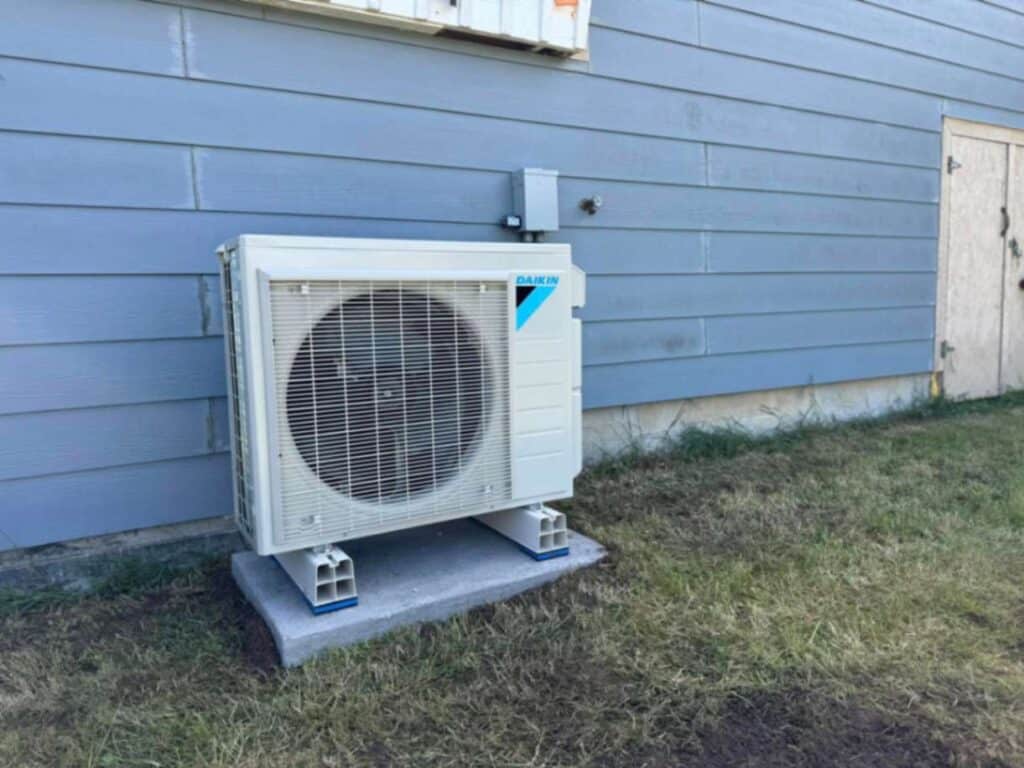
Don’t forget to check your thermostat—it’s easy to overlook but can cause big comfort issues when it’s off. Write down anything that seems unusual. That list will help you make a smarter decision later if you decide to upgrade.
Improve Insulation and Seal Drafts
Even the best heating system won’t work well if warm air is leaking out of your house. Take a walk around and check your attic, basement, and walls for insulation. Materials like fiberglass or foam should meet the recommended R-values for your area.
Then check for drafts. Feel around windows, doors, and spots where pipes go through walls. A quick bead of caulk or some new weatherstripping can make a big difference.
If your home has ductwork, make sure it’s sealed and insulated properly. Leaky ducts can waste a surprising amount of heat.
Figure Out What You Actually Need
To pick the right system, you first need to know what your home requires.
Start with square footage—bigger homes obviously need more heating power. Open floor plans and high ceilings usually call for systems with more capacity. On the other hand, well-insulated spaces need less.
Also, think about which rooms tend to feel colder. Basements and attics often need extra attention.
If your insulation isn’t great, improving it first can save you money on the system itself, since you won’t need as powerful a unit.
Pick the Right Heating System
Once you know your home’s needs, you can choose a system that fits. Gas, electric, and oil furnaces each have pros and cons. Gas systems usually heat faster, while electric models tend to require less maintenance.
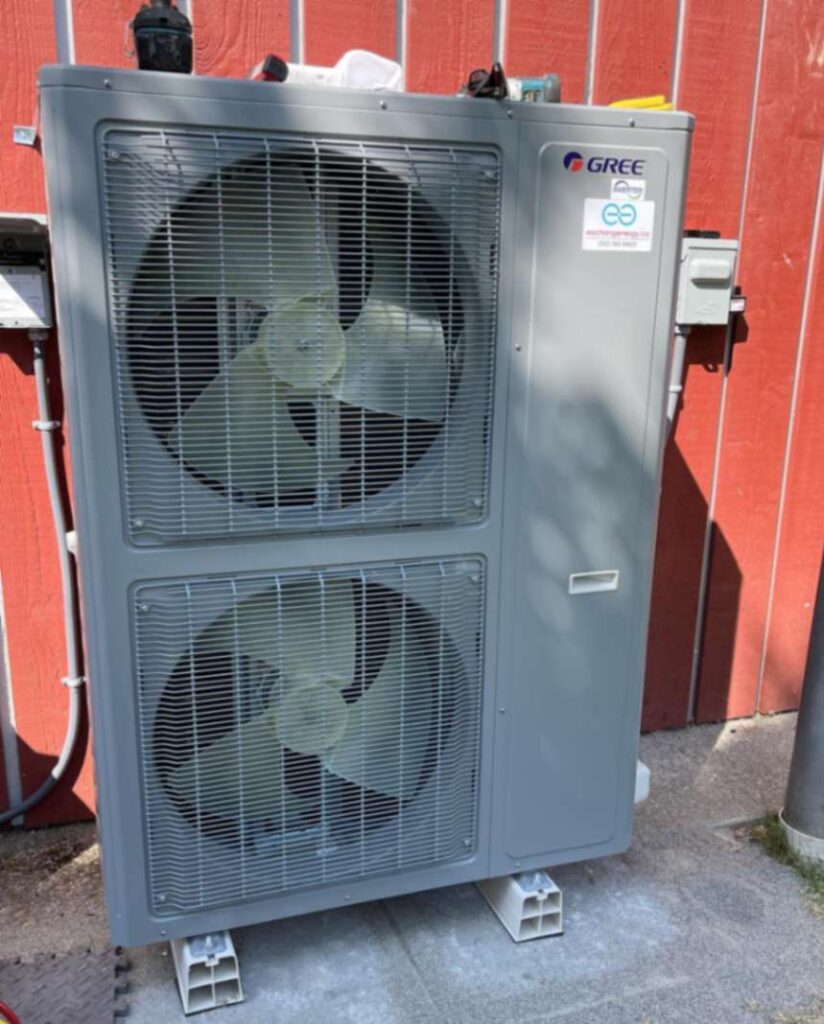
You’ll also need to size your unit properly. Heating capacity is measured in BTUs (British Thermal Units), and getting this wrong can cost you. A system that’s too small won’t warm your house well, but an oversized one will turn on and off too often, wasting energy.
Your installer can help you calculate the right capacity based on your home’s size and insulation.
Schedule a Professional Installation
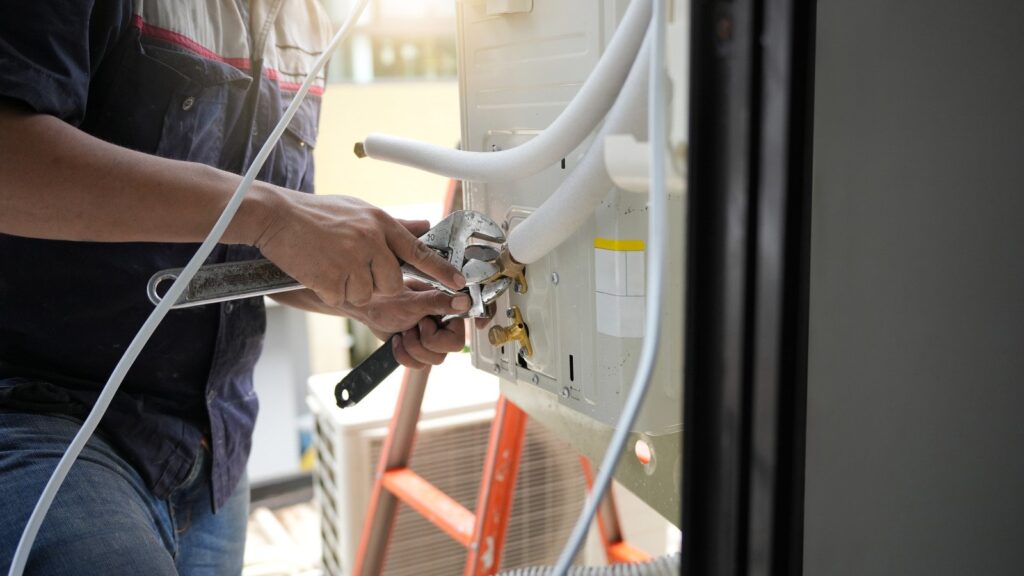
When you’re ready to install your new system, don’t try to handle it alone. Hiring qualified, licensed contractors is the safest and smartest choice. They know the local codes, can handle the setup correctly, and will test everything before finishing.
Ask to see their credentials and insurance. Read reviews from other customers, and talk to a few companies before deciding. A good installer will walk you through your options, answer questions clearly, and never rush you.
Once you’ve picked your contractor, set a timeline. Aim to finish before winter starts, so you have time for testing and adjustments. Keep a little flexibility in case small issues pop up.
Get Your Home Ready for Installation
Before the crew arrives, clear space around where the unit will go. Move furniture, decorations, and anything else that might block airflow.
Double-check your insulation and seal any last-minute gaps around doors and windows. Proper airflow and insulation help your system run better and use less energy.
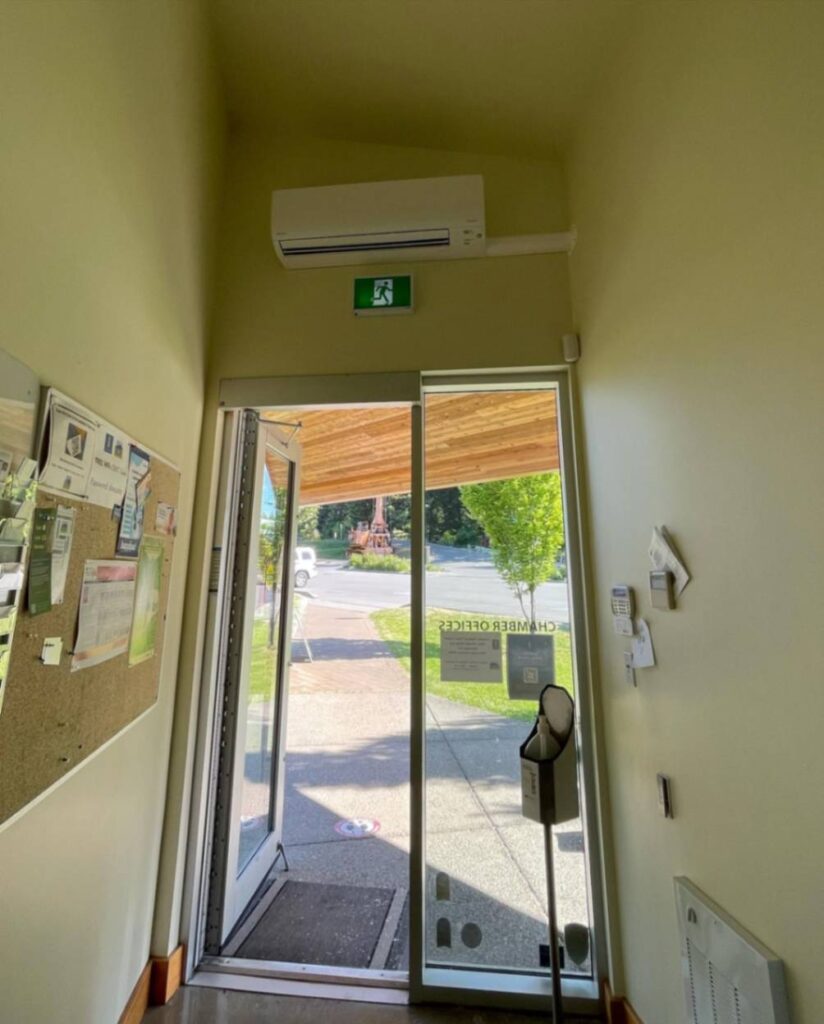
If your home uses ducts, have them inspected and cleaned. Dust or leaks in the ducts can reduce efficiency and send warm air where you don’t need it.
Keep Up with Regular Maintenance
Once everything’s installed, maintenance is what keeps your system running smoothly. Change air filters regularly, clean vents, and look for any signs of leaks or damage.
It’s also a good idea to schedule a professional inspection at least once a year, preferably before winter. The technician will check the thermostat, burners, and other key parts to catch small problems early.
Routine care helps your system last longer and keeps your home safe from potential hazards.
Save Energy and Lower Costs
Energy-efficient systems can make a big difference in your comfort and your wallet. Look for models with high SEER or AFUE ratings—those numbers show how efficiently the unit converts energy into heat.
You can also save by sealing ducts, adding insulation, and using a programmable thermostat. Heat pumps or radiant floor heating systems can be good alternatives if you’re planning a major update.
These small choices add up to noticeable savings over the winter months.
Frequently Asked Questions
How long does heating system installation take?
Usually one to two days, depending on your home and the type of system.
Do I need a permit for installation?
Yes. Most towns require permits to make sure your system meets safety codes. Your contractor should handle this for you.
Can I install it myself?
It’s possible, but not recommended. Heating systems involve wiring, gas lines, and ventilation—all things best left to professionals.
How can I tell if my system is energy-efficient?
Check the label for SEER or AFUE ratings. The higher the number, the more efficient it is.
When should I replace my old system?
If it’s over 15 years old, needs frequent repairs, or your bills keep climbing, it’s probably time for a new one.
Final Thoughts
Getting your home ready for winter doesn’t have to be stressful. By checking your current system, tightening up insulation, and hiring the right professionals, you’ll stay warm without wasting energy or money. Regular upkeep and a focus on efficiency will keep your system running strong for years.
A little preparation now means you can enjoy a cozy, worry-free winter later.