

The air conditioning system may run without providing the cool air you expect. Sometimes the problem is as simple as a thermostat setting or a dirty air filter. Other times, the issue may involve refrigerant, the compressor, electrical components, or your ductwork.
The good news is that some causes are easy to check yourself. Knowing what to look for can help you narrow down the problem before deciding whether you need professional help.
Here are seven common reasons an air conditioner may stop blowing cool air.
Key Takeaways
- Thermostat settings: An incorrect setting or a thermostat that is not reading the room temperature correctly can prevent your AC from cooling properly.
- Clogged air filters: A dirty filter can restrict airflow, making it harder for your system to cool your home.
- Refrigerant leaks: Low refrigerant can cause poor cooling, ice buildup, and warm air from the vents.
- Compressor problems: A damaged or aging compressor may not circulate refrigerant properly.
- Electrical issues: A tripped breaker, loose connection, or damaged wiring can interfere with AC operation.
- Duct problems: Blocked or leaking ducts can keep cool air from reaching the rooms where you need it.
- Lack of maintenance: Skipping routine AC care can allow small problems to turn into larger ones.
Common Thermostat Issues That Cause Warm Air
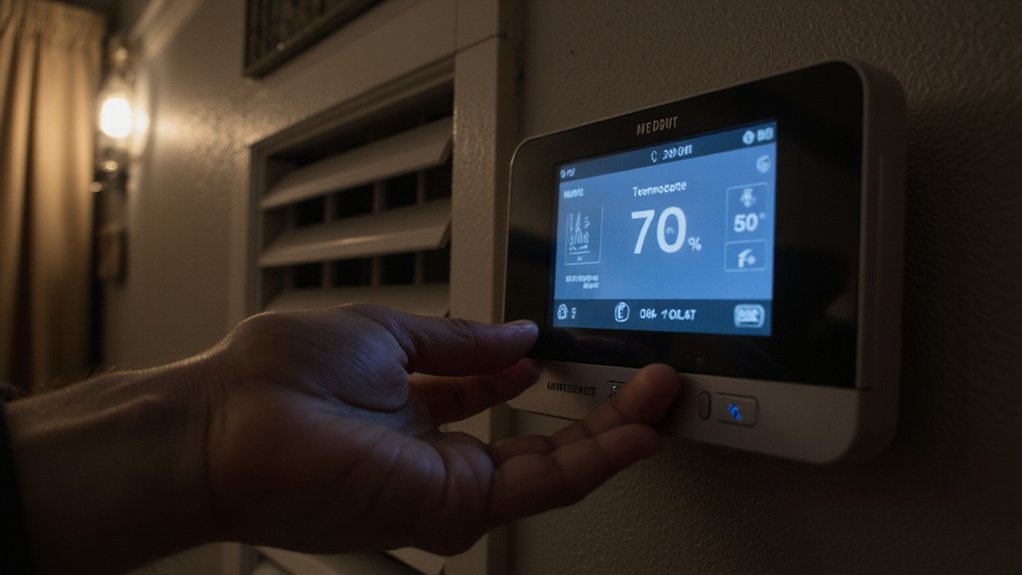
Before looking at the AC unit itself, check the thermostat settings. A thermostat that is set incorrectly can make it seem like the air conditioner has stopped working when the problem is actually with the controls.
Make sure the thermostat is set to cooling mode and that the temperature is lower than the current room temperature. If the fan is set to “On,” the system may continue blowing air even when the compressor is not actively cooling. Switching the fan to “Auto” can help ensure that air is circulated when the system is calling for cooling.
The thermostat’s location can also make a difference. If it is positioned near direct sunlight, a cooking appliance, a lamp, or another heat source, it may read the temperature incorrectly. The system could then respond based on a temperature that does not accurately represent the rest of the room.
Take a look around the thermostat and make sure nothing is blocking it. If the settings look right but the AC still blows warm air, the thermostat itself may need attention.
Clogged Air Filters: How They Affect Your AC
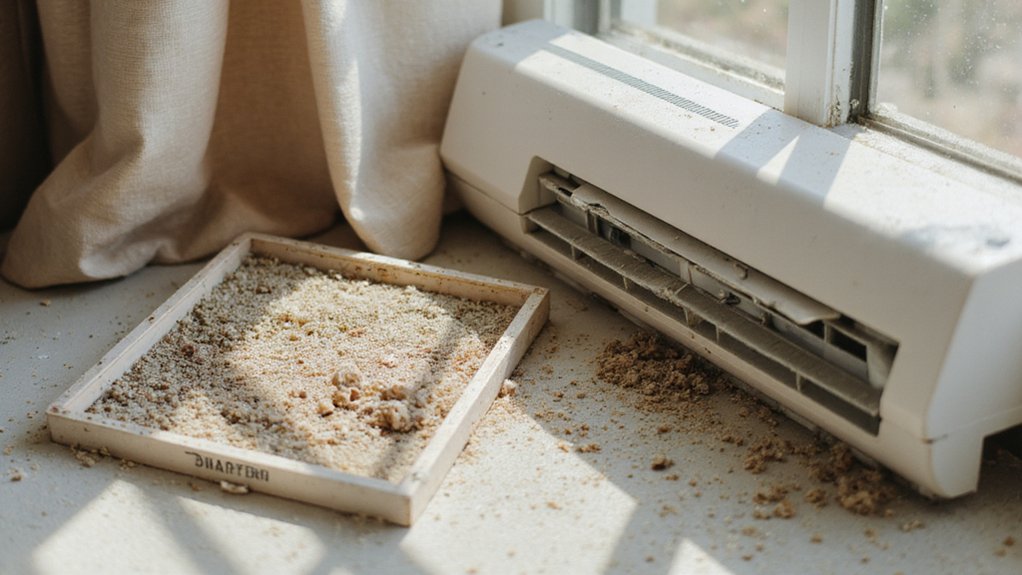
A clogged air filter is one of the easier AC problems to check. Filters collect dust, dirt, pet hair, and other particles before they enter the system. Over time, that buildup can restrict the amount of air moving through the unit.
When airflow drops, your AC has to work harder to cool the home. You may notice weaker airflow from the vents, rooms that do not cool evenly, or air that feels warmer than expected.
Airflow Restriction Issues
A dirty filter can make it difficult for your AC to move enough air through the system. The longer the filter remains clogged, the more restricted the airflow can become.
Start by checking the filter. If it looks dirty or covered with dust, replace it if it is disposable. Washable filters should be cleaned according to the manufacturer’s instructions.
Reduced airflow can also come from problems deeper in the system. Blocked ducts, closed vents, or other obstructions can limit how much conditioned air reaches your rooms.
If replacing the filter does not improve airflow, the issue may need a closer inspection.
Reduced Cooling Efficiency
When airflow is restricted, the AC may struggle to remove heat from your home. You might notice that the system runs for longer periods without reaching the thermostat setting.
A severely restricted filter can also contribute to ice forming on the evaporator coil. Once ice develops, airflow can become even worse, and the air coming from the vents may not feel cold.
Replacing a dirty filter is a simple step that can help prevent this problem. Check your filter regularly, especially during periods when your AC is running frequently.
Increased Energy Consumption
A clogged filter can also cause the system to run longer than it normally would. Longer run times can increase energy use and may show up as higher utility bills.
Keeping the filter clean allows air to move through the system more freely. Filter replacement is a small maintenance task, but it can make a difference in how your AC operates.
If the system continues blowing warm air after you’ve replaced the filter, there may be another issue that needs attention.
Understanding Refrigerant Leaks
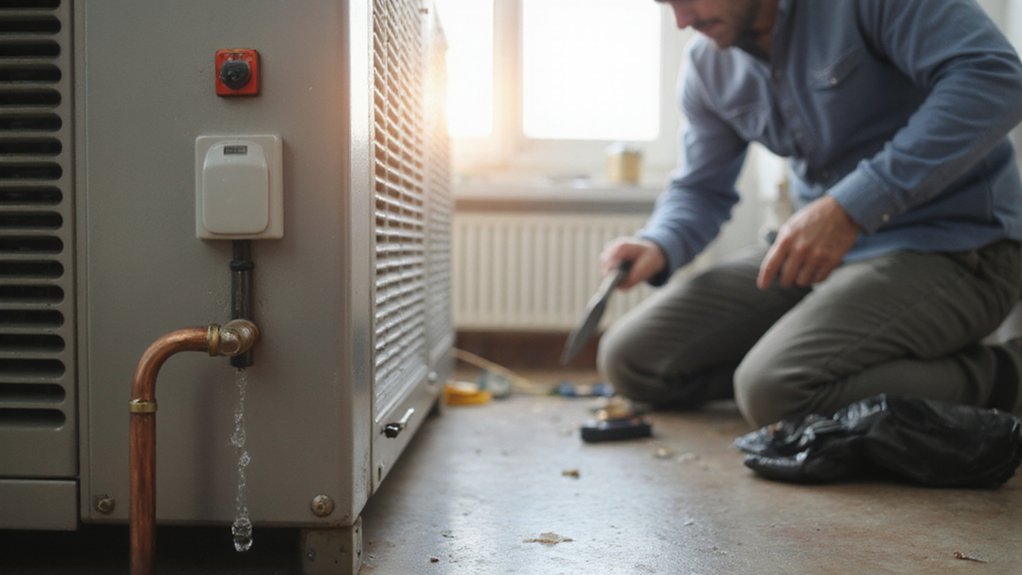
A refrigerant leak can prevent an air conditioner from cooling properly. Refrigerant is part of the cooling process, so a system with low refrigerant may struggle to remove heat from indoor air.
Refrigerant does not normally get used up during regular AC operation. If the level is low, there is often an underlying leak or another system problem that needs to be found.
Signs of Refrigerant Leak
Several signs can point to a refrigerant problem.
One is inconsistent cooling. Some rooms may feel comfortable while others remain warm. You may also notice that the AC runs for long periods without bringing the temperature down.
Ice on the evaporator coil or refrigerant lines can be another warning sign. You might also hear hissing or bubbling sounds around the system if refrigerant is escaping.
Higher energy use can occur as well because the AC may run longer while trying to reach the thermostat setting.
These signs do not always mean there is a refrigerant leak, so proper diagnosis is needed before adding refrigerant or repairing components.
Causes of Refrigerant Loss
Refrigerant can escape through damaged connections, worn components, cracks, or corrosion. Installation problems can also contribute to leaks.
Over time, seals and other parts can wear down. Moisture and contaminants may contribute to corrosion in some systems.
Finding the source of the leak matters. Simply adding refrigerant without addressing the underlying problem will not fix the cause of the issue.
Repairing Refrigerant Issues
If you suspect a refrigerant problem, it is best to have the system inspected by a qualified AC technician. Refrigerant work requires the right equipment and knowledge, and the type of refrigerant must match the system.
A technician can locate the leak, repair the affected component, and recharge the system as needed.
Avoid trying to guess the refrigerant type or adding refrigerant without knowing what the system requires. The wrong refrigerant or an incorrect charge can cause further problems.
Is Your Compressor Failing? Key Signs to Look For?
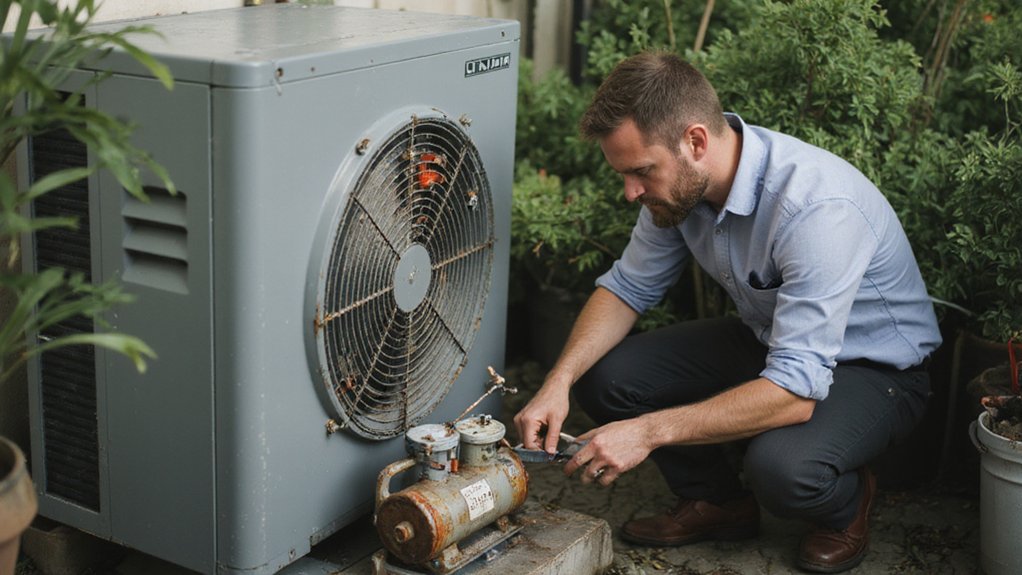
The compressor plays a central role in the cooling cycle. If it is not working properly, your AC may run without producing the cool air you expect.
One possible warning sign is unusual compressor noise. Loud clanking, grinding, or other sounds that are different from normal operation can indicate a problem.
Age can also be a factor. Many air conditioning compressors can last around 10 to 15 years, although actual service life varies depending on the system, installation, maintenance, and operating conditions.
You may also notice inconsistent cooling or an AC that runs without bringing the indoor temperature down.
An overheating compressor is another concern. If the outdoor unit seems unusually hot or repeatedly shuts down, the system should be inspected.
Compressor problems can be more involved than a dirty filter or thermostat setting. If you suspect compressor trouble, avoid repeatedly restarting the unit and have it checked by a qualified professional.
Identifying Electrical Issues That Affect AC Performance
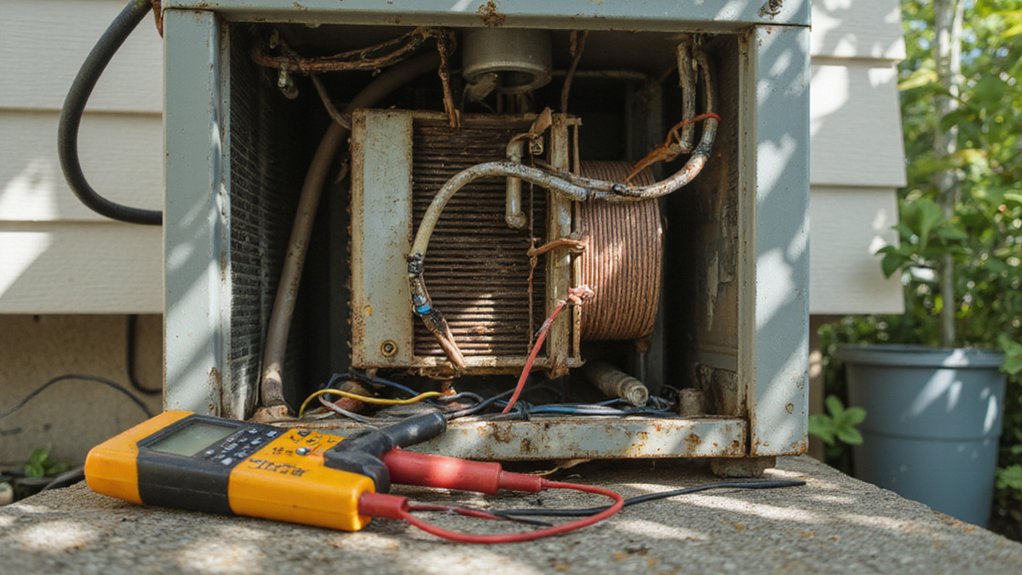
Electrical problems can also leave your AC running without providing cool air.
Start with the circuit breakers. An AC system can have separate electrical components for the indoor and outdoor units. If a breaker has tripped, part of the system may stop working.
You can check the electrical panel for a tripped breaker. If you reset it and the breaker trips again, don’t keep resetting it. Repeated trips can point to an electrical fault that needs professional attention.
Wiring can cause problems too. Loose, damaged, or frayed wires can interfere with the power reaching different parts of the system.
Do not handle exposed wiring or attempt electrical repairs yourself. If you see damaged wiring, burning smells, scorch marks, or repeated breaker trips, turn the system off and contact a qualified technician.
AC Duct Issues: Are Your Vents Blocked or Leaky?
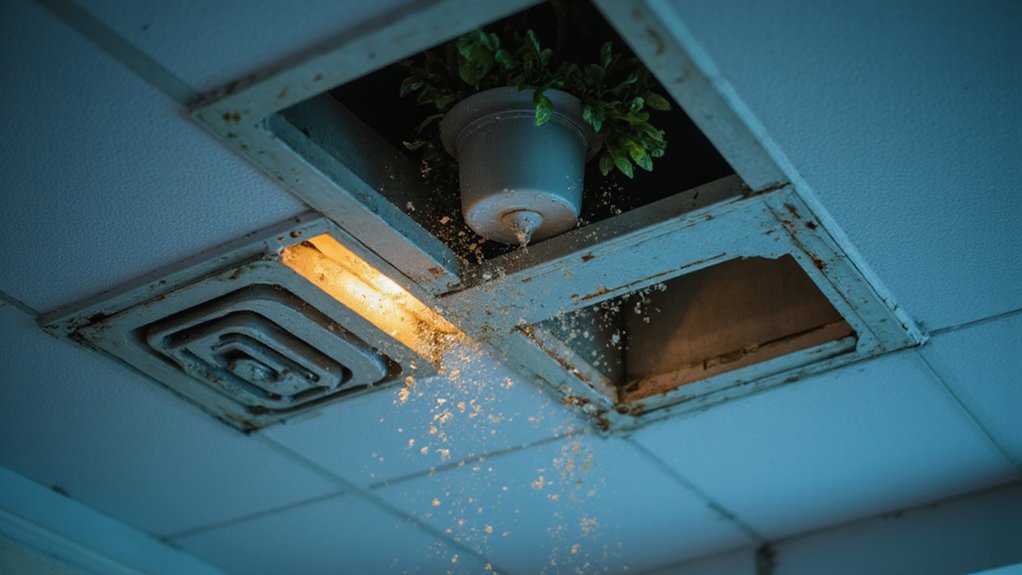
Your AC may be producing cool air at the unit, yet the rooms in your home may still feel warm. When that happens, duct problems could be part of the issue.
Blocked ducts can reduce airflow to certain rooms. Dust, debris, or other obstructions can interfere with the movement of conditioned air.
Start by checking the vents in the affected rooms. Make sure furniture, rugs, curtains, or other objects are not blocking them. If one room feels much warmer than the rest of the home, compare the airflow from its vent with the airflow in cooler rooms.
Leaky ducts can cause another problem. Conditioned air may escape through gaps or damaged sections before reaching the rooms. This can make some areas harder to cool.
Duct insulation can also affect temperature. Poorly insulated ductwork may allow conditioned air to gain heat as it travels through warmer areas.
If you suspect a duct problem, a professional inspection can help identify leaks, blockages, or insulation issues that are difficult to see from the outside.
Essential AC Maintenance Tips to Avoid Warm Air
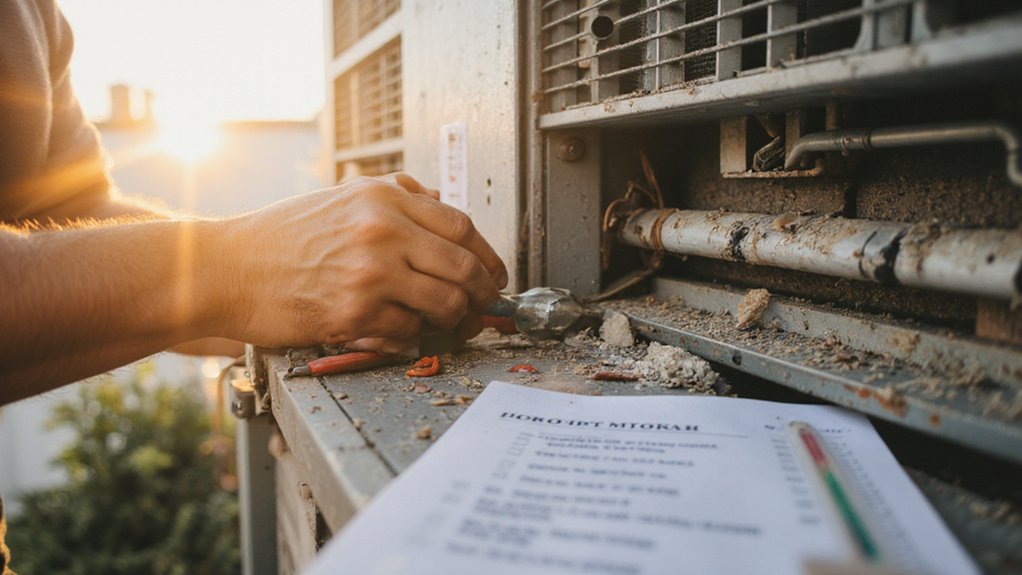
Regular AC maintenance can help reduce the chance of warm air problems. You don’t need to wait until the system stops cooling before checking on it.
Start with the air filter. Depending on the type of filter, household conditions, and how often the AC runs, it may need to be replaced or cleaned every one to three months.
Keep the outdoor unit clear of leaves, grass, dirt, and other debris. Restricted airflow around the outdoor unit can make it harder for the system to release heat.
It’s also worth checking the vents inside your home. Keep them open and free from furniture or other objects that could block airflow.
A professional AC inspection at least once a year can help identify problems that aren’t easy to spot during a basic home check. The technician can inspect components, check refrigerant levels, examine electrical connections, and look for signs of wear.
Routine care can also help you catch small issues before they lead to a complete loss of cooling.
Frequently Asked Questions
How Can I Tell if My AC Is Energy Efficient?
Check the energy rating and cooling capacity of your AC. A system with an appropriate rating and the right cooling capacity for your home can use energy more effectively than an older or poorly sized unit.
Other signs include reasonable operating costs, consistent cooling, and normal run times. If your AC runs for unusually long periods or your energy bills have increased without a clear change in usage, it may be worth having the system checked.
What Temperature Should My Thermostat Be Set At?
A thermostat setting around 75°F can provide a balance between comfort and energy use. Your preferred temperature may be different depending on the weather, humidity, and how comfortable you want your home to feel.
Avoid setting the thermostat much lower than necessary. Doing so does not necessarily make the AC cool the home faster, and it can cause the system to run longer.
How Often Should I Schedule Professional AC Maintenance?
Professional AC maintenance is commonly scheduled once a year. Regular service gives a technician a chance to inspect the system, check refrigerant levels, examine electrical components, and look for signs of wear.
You can also perform simple checks throughout the year, such as replacing dirty filters and keeping the outdoor unit clear.
Can Outdoor Temperature Affect My AC’s Performance?
Yes. Very high outdoor temperatures can make it harder for an AC system to remove heat from your home.
High humidity can add to the cooling load as well. During periods of extreme heat, your AC may need to run for longer periods to maintain the thermostat setting.
If the system blows noticeably warm air rather than simply taking longer to cool the home, there may be another issue that needs to be checked.
What Are the Signs of an Aging Air Conditioning Unit?
An older AC may show several warning signs, including weaker cooling, unusual noises, frequent repairs, rising energy use, or refrigerant-related problems.
If the system struggles to maintain the temperature even after basic maintenance, it may be time to have it inspected. A professional can determine whether the problem is a repairable component or whether the unit is nearing the end of its service life.
When to Call an AC Professional
If your AC is still blowing warm air after these basic checks, professional AC services can help identify the problem.
Some AC problems are easy to check at home. You can look at the thermostat, replace a dirty filter, clear debris from around the outdoor unit, and make sure vents are not blocked.
Other problems should be left to a qualified technician. Refrigerant leaks, compressor failures, electrical faults, and internal component problems require the right tools and training.
If your AC is blowing warm air and the basic checks don’t solve the problem, don’t keep running the system and hoping it will correct itself. Continued operation can put extra strain on a system that already has a fault.
A professional inspection can help identify the cause and determine what needs to be repaired.
If your current system is aging or repeatedly needs repairs, heat pump installation may be another option worth discussing with an HVAC professional.
Conclusion
If your AC is blowing warm air, start with the simple things. Check the thermostat, inspect the air filter, make sure the vents are open, and look around the outdoor unit for obvious obstructions.
If those checks don’t solve the problem, the cause could be related to refrigerant, the compressor, electrical components, or the ductwork.
Regular maintenance can help catch many AC problems before they become more disruptive. When the issue involves refrigerant or electrical components, or when the system continues to blow warm air after basic checks, having it inspected by a qualified professional is the safest way to find the cause.
Change Notes
- Kept the original blog title unchanged.
- Kept all seven JPG text lines exactly as provided.
- Did not add any images.
- Reworked repetitive phrasing to make the article sound more natural.
- Removed stiff and overly formal wording.
- Varied sentence length and paragraph structure for easier reading.
- Reduced repeated mentions of the same points.
- Added a practical section on when professional help may be needed.
- Kept the original topic, structure, and technical focus intact.