


Your AC is on. You hear it running. But the house still feels warm.
Annoying, right?
This happens to a lot of homeowners in Duncan, especially during warmer months. The good news is that most causes are common and fixable. Some are simple. Others need a pro. Let’s walk through what’s really going on so you know where to start.
Key Takeaways
If you want the short version, here it is.
Your AC may not be cooling because of low refrigerant, dirty filters, blocked outdoor units, thermostat problems, electrical issues, frozen coils, leaky ducts, or plain old wear and tear.
Now let’s talk about each one in plain English.
Insufficient Refrigerant Levels
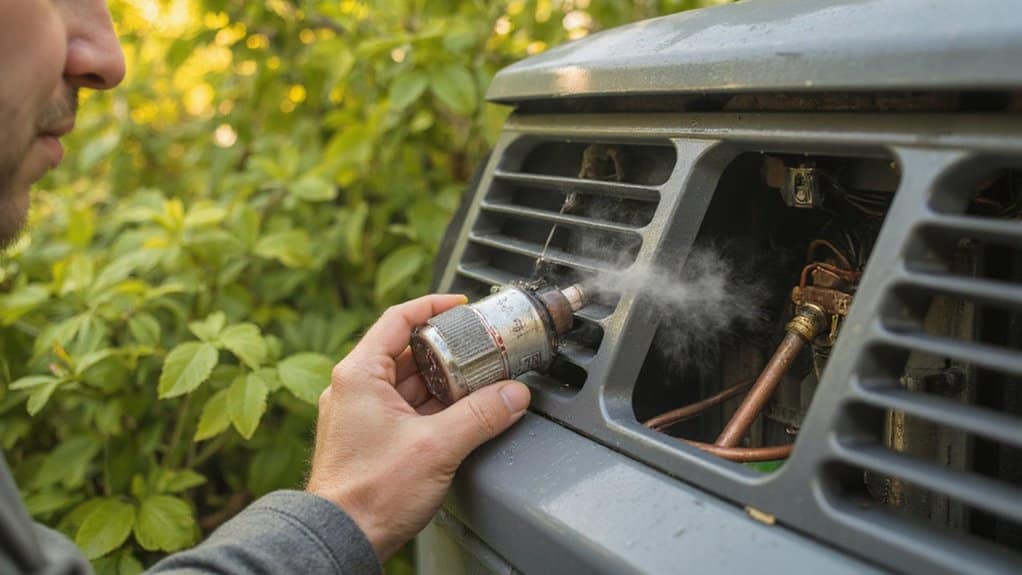
Refrigerant is what pulls heat out of your home and sends it outside. If levels are low, cooling drops fast.
Here’s the thing. Refrigerant doesn’t get “used up.” If it’s low, there’s usually a leak somewhere. Common spots include coils, connections, or hoses.
Low refrigerant does more than make your home uncomfortable. It can strain the compressor, and that’s an expensive part to fix. If your AC runs nonstop but never cools the space, this is worth checking sooner rather than later.
This isn’t a DIY fix. A licensed technician needs to find the leak, repair it, and recharge the system safely.
Dirty Air Filters

A dirty air filter can cause more trouble than most people realize.
When filters clog with dust and pet hair, airflow drops. Less air moving across the system means less cooling. Sometimes the AC still runs, but barely cools anything.
You might notice:
- Weak airflow from vents
- Rooms cooling unevenly
- Higher energy bills
- More dust inside the house
Why Clean Filters Matter
Clean filters let air move freely. That helps your AC cool the home faster and keeps stress off the system. Dirty ones force it to work harder, which can lead to breakdowns.
Changing filters regularly also helps the unit last longer. It’s one of the simplest things you can do.
How to Spot a Clogged Filter
Take the filter out and look at it. If you can’t see light through it, it’s time to replace it. Heavy dust buildup or dark discoloration are clear signs.
How to Replace the Filter
Turn the system off first. Safety matters.
Find the filter near the return vent or air handler. Slide the old one out, note the size, and insert a new filter the same way the airflow arrow points.
Check filters once a month. Replace them every one to three months, depending on use, pets, and dust levels.
Blocked Condenser Unit

Your outdoor unit needs room to breathe.
Leaves, dirt, grass clippings, and weeds can block airflow around the condenser. When heat can’t escape, cooling suffers.
Walk outside and take a look. If plants are growing too close or debris has piled up, clear it away. Trim vegetation and gently clean the coils if needed.
A clean outdoor unit often makes a noticeable difference.
Faulty Thermostat

Sometimes the problem isn’t the AC at all. It’s the thermostat.
If it’s not reading the temperature correctly, the system won’t cool properly. Placement matters too. A thermostat near a window, appliance, or direct sunlight can think the house is warmer or cooler than it really is.
Check the settings. Replace the batteries. Make sure it’s level and not exposed to heat sources. If readings still seem off, calibration or replacement may be needed.
Electrical Issues

Electrical problems can cause strange AC behavior.
Loose wiring, damaged connections, or a tripped breaker can keep parts of the system from working fully. Sometimes the fan runs, but the cooling cycle doesn’t start.
Look at your breaker panel. If something keeps tripping, don’t ignore it. Burnt smells, exposed wires, or flickering power are warning signs.
Electrical issues should be handled quickly and safely by a professional.
Frozen Evaporator Coil

Ice on your AC is never normal.
A frozen evaporator coil blocks airflow and stops cooling. You may see frost on the indoor unit or notice weak airflow from vents.
Why Coils Freeze
Common causes include dirty filters, blocked airflow, low refrigerant, or a blower fan that isn’t moving enough air. When airflow drops, moisture freezes instead of draining away.
Signs to Watch For
- Ice or frost on the unit
- Warm air blowing from vents
- Hissing or bubbling sounds
- Uneven cooling
If you spot ice, turn the system off and call a technician. Running it frozen can cause damage.
Ductwork Problems

Cool air can’t help if it never reaches your rooms.
Leaky or damaged ducts let cooled air escape into attics or walls. Blocked or poorly installed ducts also reduce airflow.
If some rooms never cool while others do, duct issues could be the reason. A professional inspection can find leaks and airflow problems fast.
Compressor Malfunction

The compressor keeps refrigerant moving through the system. When it fails, cooling stops.
Warning signs include loud noises, overheating, or the system running without cooling at all. Compressor problems don’t fix themselves and usually get worse over time.
Regular inspections help catch issues early. If something seems off, don’t wait.
Age and Wear of the AC System

AC systems don’t last forever.
Most units run about fifteen to twenty years. As parts wear down, cooling becomes less reliable. You may notice longer run times, uneven temperatures, or frequent repairs.
Routine care helps extend lifespan. Still, if repairs pile up and cooling keeps dropping, replacement might make more sense.
Frequently Asked Questions
How Often Should I Service My Air Conditioner?
Once a year is the minimum. If your system runs hard most of the year, twice a year is even better.
Can I Troubleshoot AC Problems Myself?
You can check filters, vents, and breakers. Anything involving refrigerant, wiring, or internal parts should be handled by a professional.
What Are Signs of an Overloaded AC System?
Hot components, strange noises, rising energy bills, weak airflow, and uneven cooling are common signs.
How Can I Improve My Home’s Insulation?
Sealing air leaks and adding insulation like fiberglass or foam helps keep cool air inside and reduces strain on your AC.
When Should I Replace My Air Conditioner?
If it’s over ten to fifteen years old, needs frequent repairs, or struggles to cool, replacement is worth considering.
Final Thoughts
If your air conditioner runs but doesn’t cool your home in Duncan, something is holding it back. Sometimes it’s a simple fix. Other times, it’s a sign of a bigger issue.
Start with the basics. Filters, airflow, and the outdoor unit are easy to check. If the problem sticks around, calling a professional can save time, money, and frustration.
Comfort shouldn’t be a guessing game.