

If your air conditioner suddenly stops working, don’t panic. A few simple checks can help you figure out what’s going on before you call a technician. Start with the thermostat settings and make sure the system is set to cooling mode and the temperature is set below the current room temperature.
Next, check whether the AC is getting power. Look at the circuit breaker for any tripped switches. If the breaker has tripped, you may be able to reset it safely.
Still no cooling? Take a look at the air filter and the airflow around the system. A clogged filter or blocked vent can make it difficult for your AC to cool the room properly. If these checks don’t solve the problem, there may be an electrical, mechanical, or refrigerant issue that needs professional attention.
Key Takeaways
- Check the thermostat and make sure it’s set to cooling mode and the temperature you want.
- Look at the circuit breaker for a tripped switch and reset it if needed.
- Check the air filter and clean or replace it if it’s dirty.
- Listen for unusual sounds, such as grinding, squealing, or hissing.
- If the basic checks don’t solve the problem, contact a qualified AC technician.
Spotting the Signs: Is Your AC Failing?
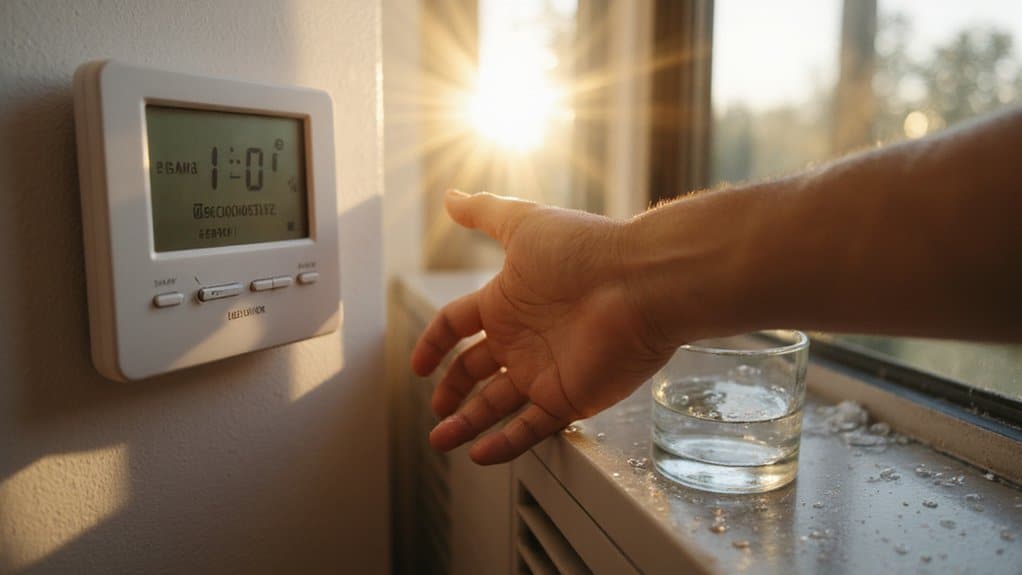
Sometimes an air conditioner gives you warning signs before it stops working completely. Paying attention to these changes can help you spot a problem sooner.
One common sign is a change in indoor temperature. If some rooms feel cool while others stay warm, the issue could be related to airflow, the thermostat, or the AC system itself.
Unusual sounds are another reason to pay attention. Grinding, squealing, rattling, buzzing, or hissing noises aren’t normal for most AC systems. The type of sound can give a technician useful information about what may be happening inside the unit.
You may also notice that your electricity bill has gone up even though your AC usage hasn’t changed much. When an air conditioner has to work harder to maintain the set temperature, it can use more energy.
Frequent cycling is another warning sign. If the system turns on and off repeatedly without properly cooling the space, something may be wrong. Don’t ignore a pattern that keeps coming back. Catching a problem early may prevent a small repair from becoming a larger one.
Check Your Thermostat Settings
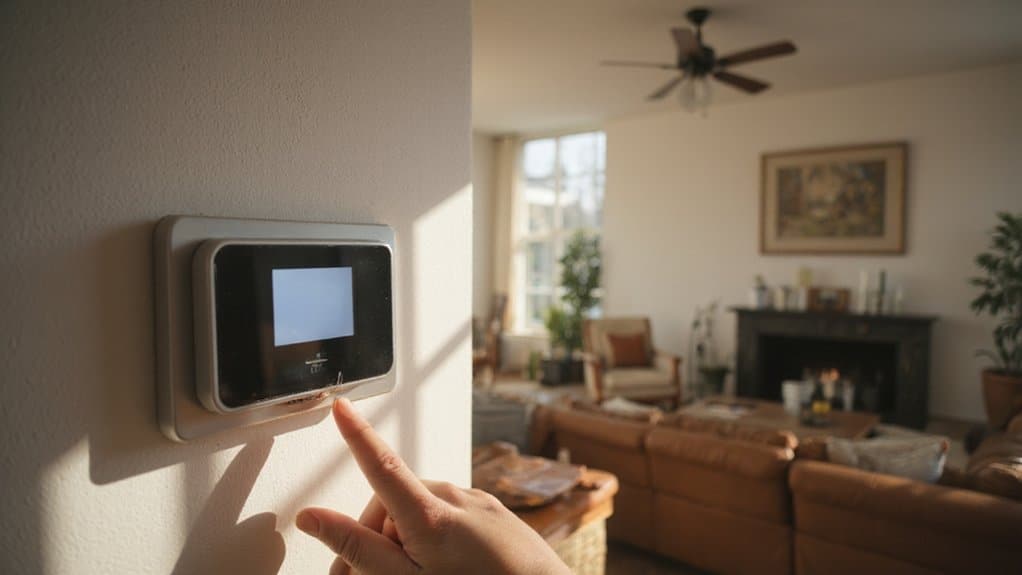
Before assuming the air conditioner has failed, check the thermostat. A setting that was changed by accident can make it seem as though the AC isn’t working.
Start by checking the temperature. The thermostat needs to be set lower than the current indoor temperature for the cooling system to turn on. If it’s set too high, the AC may simply be waiting for the room to warm up enough to reach the selected setting.
Next, make sure the thermostat is set to cooling mode. Some thermostats have separate settings for cooling, heating, and fan operation. If it’s set to fan-only mode, the blower may run without producing cold air.
It’s also worth checking the batteries if your thermostat uses them. Weak batteries can cause the display to go blank or prevent the thermostat from communicating properly with the AC system.
If the thermostat display appears normal but the system still doesn’t respond, don’t keep changing settings at random. Check the power supply next. If the problem continues after these basic checks, a technician can determine whether the thermostat or another part of the system is at fault.
Inspect Your AC’s Power Supply and Circuit Breaker
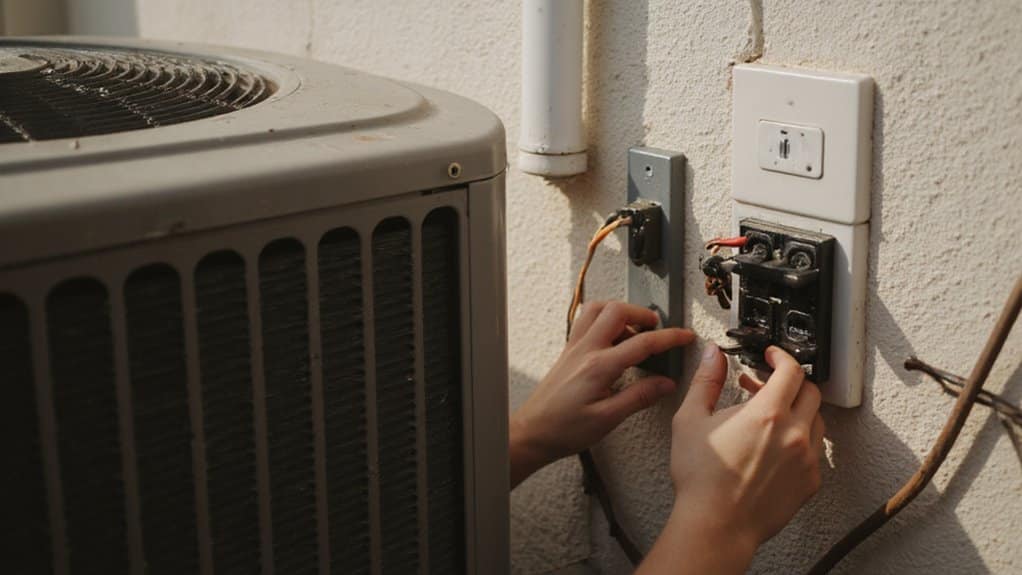
When your air conditioner stops working completely, check the power supply before looking for a more complicated cause.
If your system uses a dedicated disconnect or outdoor shutoff, make sure it hasn’t been switched off. You should only inspect controls that are safe for you to access. Don’t remove electrical panels or touch exposed wiring.
Check Power Connections
If you’ve noticed your air conditioner isn’t running, the first step is to check the power connections.
Start by ensuring the unit is plugged in securely if your particular system uses a plug. A loose connection can prevent the AC from receiving power.
You can also look at the power cord for obvious signs of damage. Frayed insulation, melted areas, scorch marks, or other visible damage should not be ignored. Don’t attempt to repair a damaged electrical cord yourself.
If there was a recent power outage or power surge, the AC may have been affected. Some systems may need to be reset after a power interruption. Follow the instructions in your manufacturer’s manual rather than repeatedly switching the system on and off.
Electrical problems can be dangerous. If you’re unsure about what you’re seeing, leave the electrical components alone and contact a qualified professional.
Inspect Circuit Breaker
The circuit breaker is another thing to check when an air conditioner suddenly stops working.
Find your home’s electrical panel and look for the breaker connected to the AC. A tripped breaker may sit between the “on” and “off” positions, depending on the panel design.
If the breaker has tripped and there are no signs of burning, smoke, or other damage, you can reset it according to the panel manufacturer’s instructions. Don’t force a breaker into position.
Pay attention to what happens afterward. If the AC starts normally and continues running, the problem may have been related to a temporary electrical overload. If the breaker trips again, switch the system off and arrange for professional help.
A breaker that repeatedly trips isn’t something to keep resetting. It can point to an electrical fault or a problem with the AC itself.
Cleaning and Replacing Your AC Filter
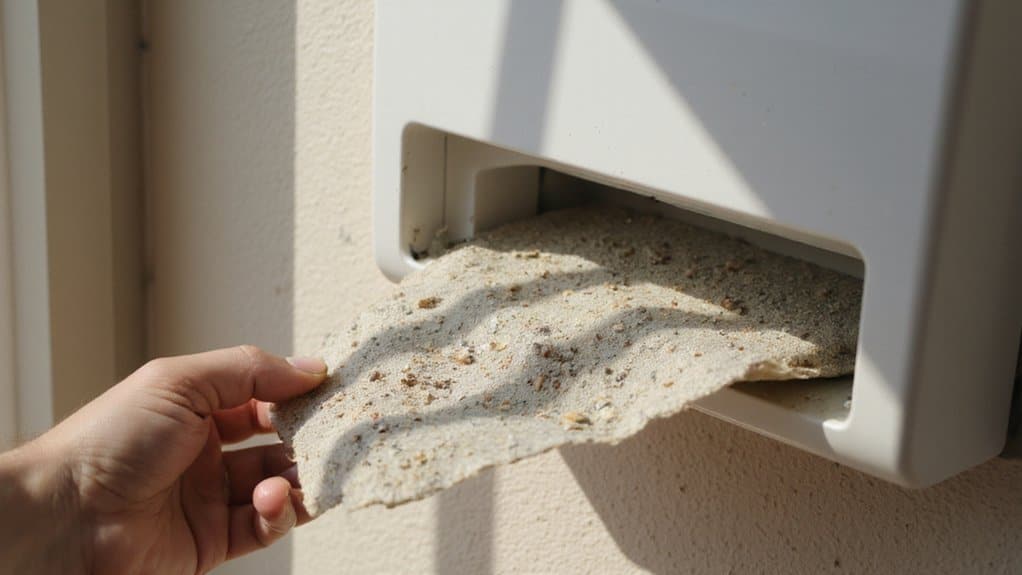
A dirty air filter can restrict airflow and make your air conditioner work harder. In some cases, poor airflow can also contribute to freezing around parts of the system.
Checking the filter is one of the easier maintenance tasks homeowners can handle. The exact replacement schedule depends on the filter type, the system, and conditions inside the home.
Importance Of Clean Filters
A clean filter allows air to move through the system without unnecessary restriction. When dust builds up on the filter, less air can pass through it.
Poor airflow can make your home feel warmer even when the AC is running. The system may also need to run for longer periods to reach the thermostat setting.
Filter condition can also affect indoor air quality because the filter catches dust and other airborne particles as air moves through the system.
Check the filter regularly, especially during periods when the AC runs frequently. Homes with pets, construction dust, or other sources of airborne particles may need more frequent filter checks.
Don’t assume every filter should be changed on the same schedule. Check the manufacturer’s instructions for your system and filter.
How To Replace Filters
Replacing a disposable filter is usually a simple task. Before removing it, turn the AC off. Find the filter compartment and take note of the direction of the airflow arrow printed on the filter.
Remove the old filter and check its size. Install the new one in the same direction as the old filter, making sure it sits properly in the frame.
If your system has a washable filter, follow the manufacturer’s cleaning instructions. Some washable filters can be rinsed with water and mild soap. Allow the filter to dry completely before putting it back into the system.
Don’t reinstall a damp filter. Moisture can create other problems inside the system.
Check your filter at least once a month when the AC is being used regularly. Replace or clean it based on its condition and the manufacturer’s recommended schedule. Keeping up with this small task can help maintain good airflow and reduce unnecessary strain on the system.
Simple Fixes for Common AC Problems
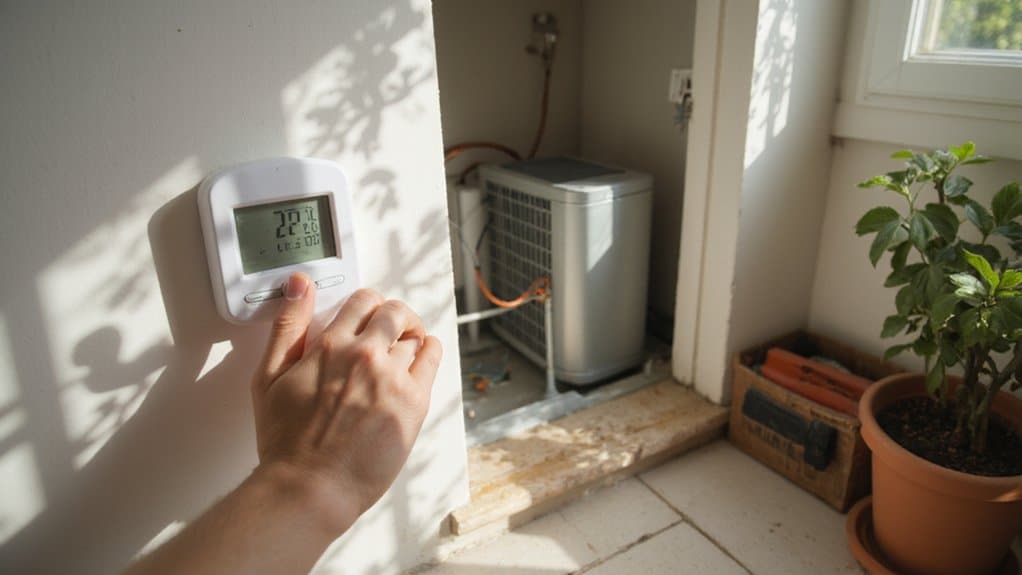
When your air conditioner stops working, there are a few basic things you can check before arranging a service visit.
Start with airflow. Make sure the supply vents inside your home are open and aren’t covered by furniture, curtains, or other objects. For the outdoor unit, check whether leaves, grass, dirt, or other debris are blocking the area around it.
Next, return to the thermostat. Make sure it’s set to cooling mode and that the selected temperature is below the current indoor temperature.
A dirty filter can also restrict airflow. If you’ve already found that the filter is clogged, clean or replace it as appropriate for your system.
If the AC is running but isn’t producing cool air, refrigerant may be one possible cause. Frost or ice around the indoor coil or refrigerant lines can be a warning sign. Don’t try to add refrigerant yourself. Refrigerant work requires the right equipment and training.
Check the circuit breaker as well. If it has tripped once, you may be able to reset it safely. If it trips again, stop resetting it and arrange for a professional inspection.
These checks are useful for simple problems, but they won’t fix every AC fault. Knowing when to stop troubleshooting is just as important as knowing what to check.
Knowing When to Call in the Pros?
If your AC doesn’t respond after the basic checks, it’s time to have the system inspected by a qualified technician who can also advise whether heat pump repair is appropriate for your system.
Professional help is also a good idea when you hear grinding, loud buzzing, repeated clicking, or other unusual sounds. Persistent water leaks, ice buildup, burning smells, and a system that won’t cool the home can also point to problems that aren’t suitable for a DIY repair.
Electrical and refrigerant issues deserve extra caution. Don’t open electrical panels, handle refrigerant, or try to repair internal components unless you’re trained and properly equipped to do so.
A technician can inspect the system, identify the source of the problem, and explain what needs to be repaired. Getting help early can also prevent continued operation from causing further damage.
If you notice a burning smell, smoke, visible electrical damage, or repeated breaker trips, turn the system off and seek professional assistance rather than continuing to test it.
Proactive Tips to Prevent AC Breakdowns
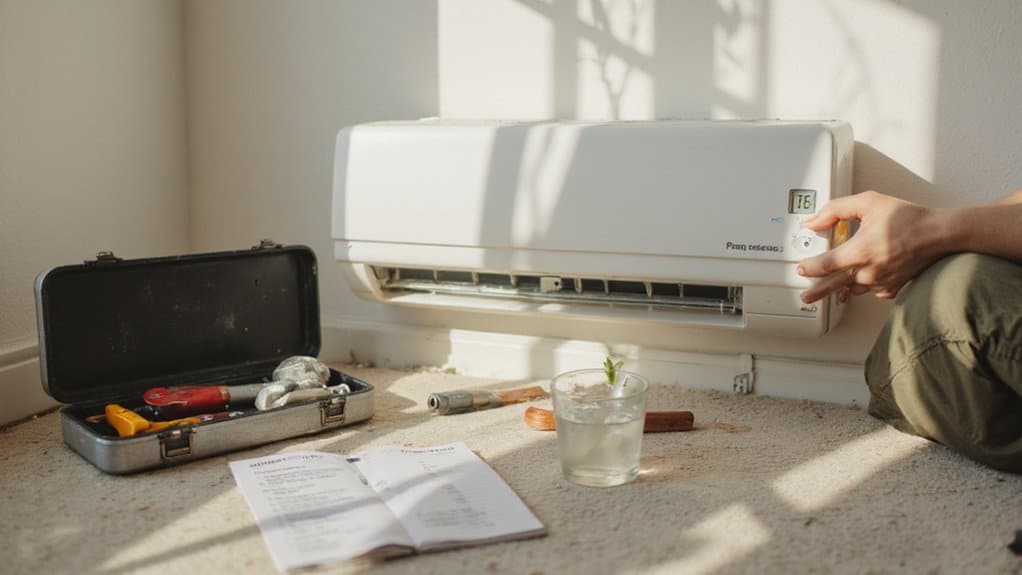
Regular care can reduce the chances of being surprised by an AC problem during the hottest part of the year.
Start by checking the air filter on a regular basis. A clogged filter can restrict airflow and place extra strain on the system. Keep supply vents clear and make sure the outdoor unit has enough open space around it.
Professional servicing can also help spot worn parts or other issues before they lead to a breakdown. The timing of these visits depends on the age, type, and condition of your AC system.
Keep an eye on changes in cooling performance. A room that suddenly takes much longer to cool, unusual sounds, water around the unit, or repeated cycling can all be reasons to arrange an inspection.
If your AC is older, ask a qualified technician about its condition and repair history before deciding whether continued repairs or heat pump installation make more sense.Replacing an aging system is a larger decision, so it helps to understand the condition of the existing equipment first.
Frequently Asked Questions
How Long Should an Air Conditioner Typically Last?
An air conditioner often lasts around 12 to 15 years, though actual service life varies. The type of system, installation, climate, usage, and maintenance can all affect how long it continues to operate.
Regular filter changes, keeping the outdoor unit clear, and arranging professional inspections can help you spot problems before they become more serious.
An older system doesn’t automatically need to be replaced. Its condition, repair history, operating costs, and cooling performance are worth considering together.
Can Weather Affect My Air Conditioner’s Performance?
Yes. Very hot outdoor temperatures can make it harder for an air conditioner to remove heat from your home. High humidity can also affect how comfortable the indoor space feels.
During extreme weather, your AC may need to run for longer periods to maintain the thermostat setting. Make sure the outdoor unit has good airflow and isn’t surrounded by debris.
If the system struggles to cool your home even when weather conditions are normal, it may be time to have it inspected.
What Are the Signs of Refrigerant Leaks?
Reduced cooling, hissing sounds, and ice buildup around parts of the system can point to a refrigerant problem. You may also notice that the AC runs for long periods without bringing the room down to the selected temperature.
Moisture or oily residue near certain components can also be a warning sign, but not every leak will be visible.
Don’t attempt to locate or repair a refrigerant leak yourself. A qualified technician can test the system, find the source, and handle the refrigerant safely.
Is It Safe to Use My AC During a Storm?
Severe storms can create electrical hazards, especially when lightning, flooding, or power interruptions are involved.
If your home loses power, follow the guidance provided by your utility company and AC manufacturer. Don’t touch electrical equipment if there is standing water nearby.
Once the storm has passed, check for obvious signs of damage before restarting the system. If you see damaged wiring, smoke, scorch marks, or other electrical problems, leave the system off and contact a qualified professional.
How Can I Improve My Ac’s Energy Efficiency?
Start with the basics. Keep the air filter clean, make sure vents aren’t blocked, and keep doors and windows closed while the AC is running.
A programmable or smart thermostat can help manage indoor temperatures according to your daily routine. Sealing obvious air leaks around doors and windows can also reduce the amount of conditioned air that escapes.
Regular servicing gives you another way to catch issues that may cause the system to run longer than necessary. If your AC is older, a technician can also discuss its current condition and whether repairs or replacement make more sense.
Conclusion
If your air conditioner suddenly stops working, start with the simple checks. Look at the thermostat, confirm that the system has power, inspect the circuit breaker, and check the air filter. Make sure vents are open and the outdoor unit isn’t blocked by debris.
If the system still won’t run, or if you notice strange sounds, ice, leaks, burning smells, or repeated breaker trips, stop troubleshooting and contact a qualified professional.
Regular filter checks and routine service can help you catch problems earlier. A little attention throughout the year can also help your AC stay ready when you need cooling most.