

When summer heat settles in, your AC can end up running for long stretches just to keep your home comfortable. Air conditioning systems work by removing heat from indoor air and releasing it outside.
A few changes around the house can make cooling easier. Blocking direct sunlight, improving airflow, sealing air leaks, and reducing indoor heat can all help. You don’t need to rely on the AC alone to make a noticeable difference.
The goal is simple: keep heat out, move cool air around, and avoid adding more heat indoors than necessary.
Key Takeaways
- Use thermal curtains, window films, and outdoor shades to reduce heat from direct sunlight.
- Run ceiling fans and use cross-ventilation when outdoor conditions allow it.
- Check insulation in the attic and walls to slow heat transfer.
- Seal gaps around windows, doors, ducts, and vents to reduce unwanted air movement.
- Avoid using ovens, dryers, and other heat-producing appliances during the hottest part of the day.
- Use nighttime ventilation when outdoor temperatures drop below indoor temperatures.
- Keep HVAC filters clean and replace them at the recommended intervals.
Understanding the Challenge of Summer Heat
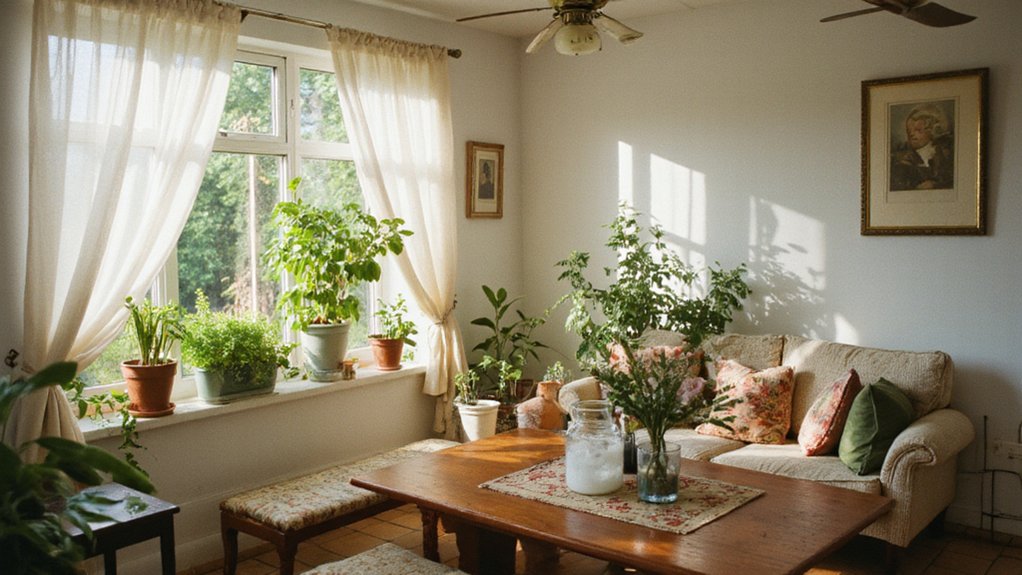
Summer heat can make your AC work much harder than it normally would. When outdoor temperatures climb, heat can enter through windows, doors, walls, roofs, and small gaps around the house.
Sunlight through a window can be a big source of indoor heat, especially in rooms with large windows or windows that receive direct afternoon sun. Poor insulation can make the problem worse by allowing heat to pass through the attic and walls.
There are a few simple ways to take some pressure off your cooling system. Start with the parts of your home that receive the most heat. Shading sunny windows, keeping doors and windows properly sealed, and improving insulation can all help.
Ceiling fans can also make a room feel cooler by moving air across your skin. They don’t actually lower the room temperature, but the moving air can make you feel more comfortable while the AC is running.
The same idea applies to natural ventilation. If the air outside is cooler than the air inside, opening selected windows can help remove warm indoor air. Timing matters, though. Opening windows during a very hot afternoon can bring more heat inside instead of cooling the room.
Optimize Your Windows for Maximum Shade
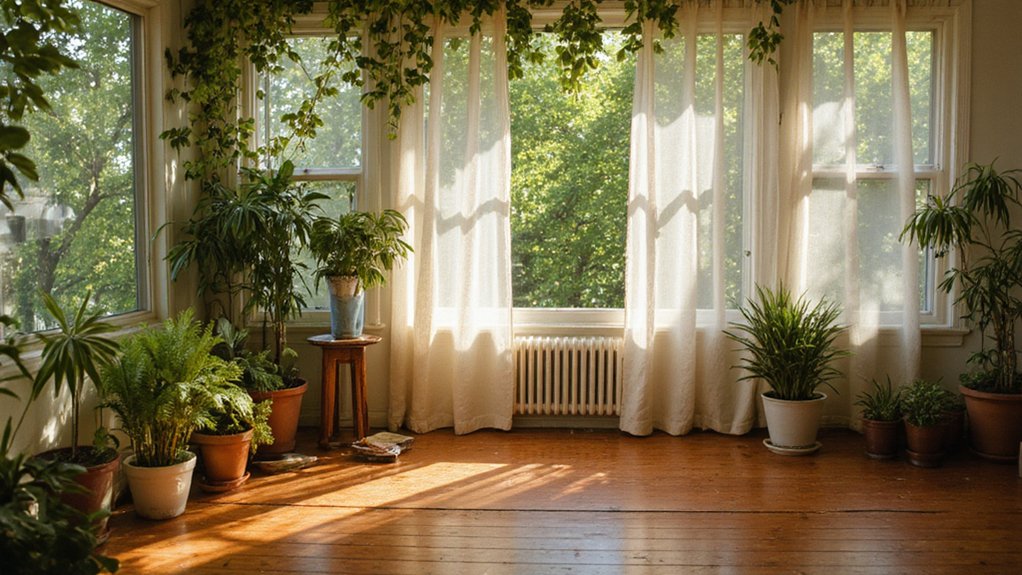
Windows can let a surprising amount of heat into your home, especially when sunlight falls directly on the glass.
Window screens can help with ventilation while keeping insects outside, but they don’t block all of the heat from direct sunlight. For better protection, consider adding thermal curtains, reflective films, awnings, or outdoor shades.
Thermal curtains are useful during the hottest part of the day. Keep them closed when strong sunlight is hitting the windows. Light-colored curtains can also help reflect some sunlight rather than absorbing it.
Outdoor shades and awnings can be even more helpful because they stop some sunlight before it reaches the glass. This can be useful for windows that receive intense morning or afternoon sun.
Take a look around your home at different times of the day. A window that feels fine in the morning may become one of the hottest parts of a room later in the afternoon. Those are good places to start.
How to Use Fans and Cross-Ventilation to Cool Your Home
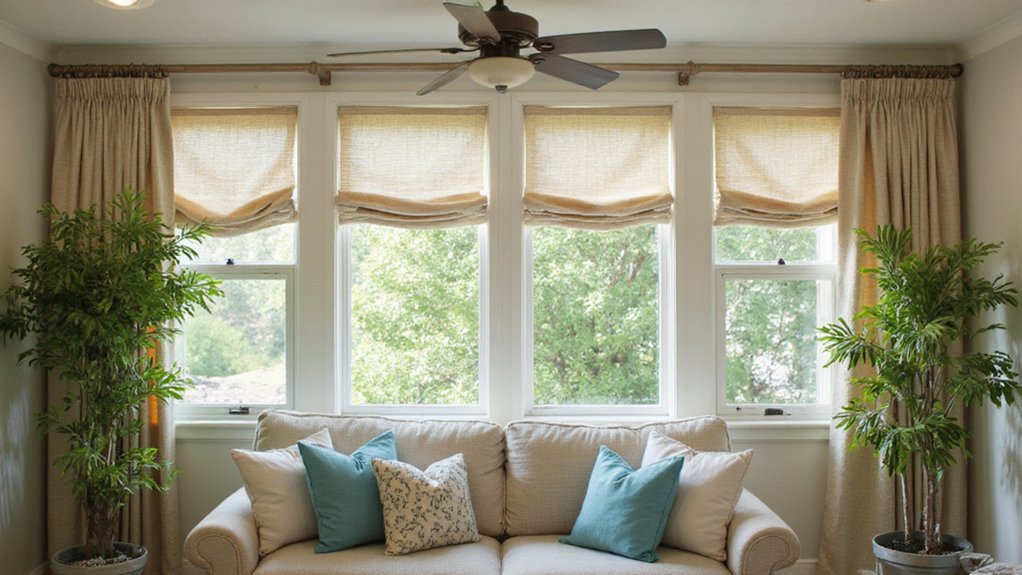
Fans can make your home feel more comfortable without requiring the thermostat to be lowered.
Ceiling fans move air around the room and create a cooling effect on your skin. During warm weather, the fan should generally rotate counter-clockwise when viewed from below. This pushes air downward into the room.
Portable fans can also help with ventilation. If one side of your home is cooler than another, place a fan near a window to help move air between the spaces.
Cross-ventilation works best when there is a useful difference in temperature between the air coming in and the air leaving the home. Opening windows on opposite sides of a room or house can create a path for air to move through.
Keep interior doors open when you want air to travel between rooms. If you’re cooling only one room, closing unused rooms may make more sense, depending on your home’s layout and HVAC system.
Fans don’t replace an AC system in very hot weather. They work best as a way to improve comfort and move air while the AC handles the actual cooling.
Energy-Saving Window Treatments for a Cooler Space
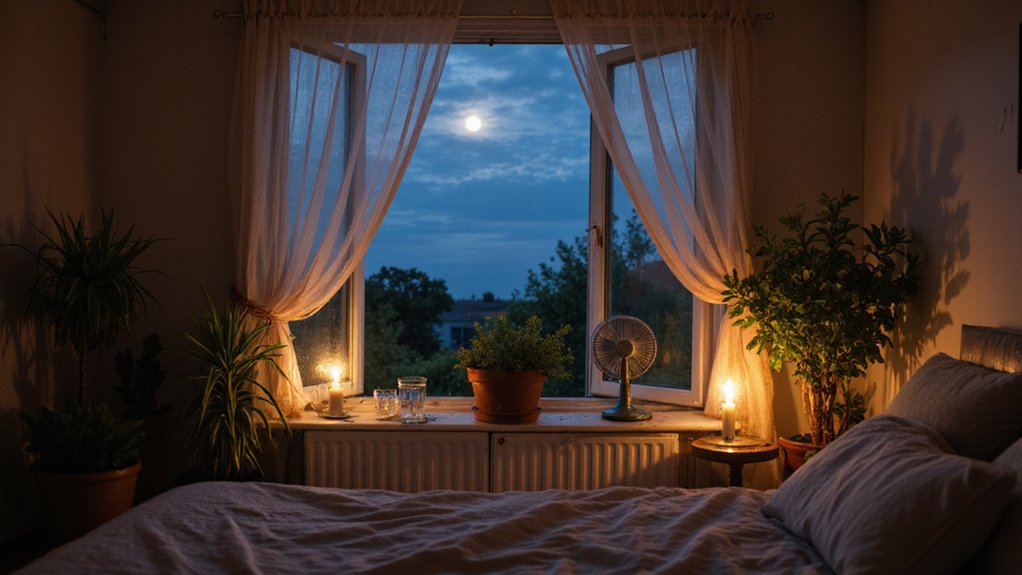
Window treatments can help reduce the amount of solar heat entering your home.
Reflective window films and insulating cellular shades are two options worth considering. They work in different ways, but both can help reduce heat transfer through windows.
The right choice depends on your windows, the amount of direct sunlight they receive, and how much natural light you want to keep.
Reflective Window Films
Reflective window films can reduce solar heat entering through glass. They are especially useful for windows that receive strong sunlight during the warmer parts of the day.
Another benefit is reduced glare. If sunlight makes it difficult to watch television, work at a desk, or sit comfortably near a window, a suitable film may make the space easier to use.
Some films also provide UV protection, which can help reduce fading on furniture, flooring, curtains, and other items exposed to sunlight.
Different types of window film have different appearances and levels of reflectivity. Check that the product is suitable for your particular glass before installation, since some films may not be appropriate for certain windows.
Professional installation is an option, but some products are designed for homeowners to install themselves. Follow the manufacturer’s instructions carefully for the best result.
Insulating Cellular Shades
Cellular shades use a honeycomb-shaped structure that creates pockets of air near the window. Those pockets can slow heat transfer between the room and the outdoors.
During summer, keeping the shades closed while direct sunlight hits the window can help reduce the amount of heat entering the room.
Cellular shades also give you more control over natural light and privacy. Some styles allow you to adjust the shade from the top or bottom, which can be useful when you want daylight without leaving the entire window uncovered.
For rooms that become noticeably hotter because of direct sunlight, insulating shades can be a practical addition.
How to Use Nighttime Ventilation for Natural Cooling?
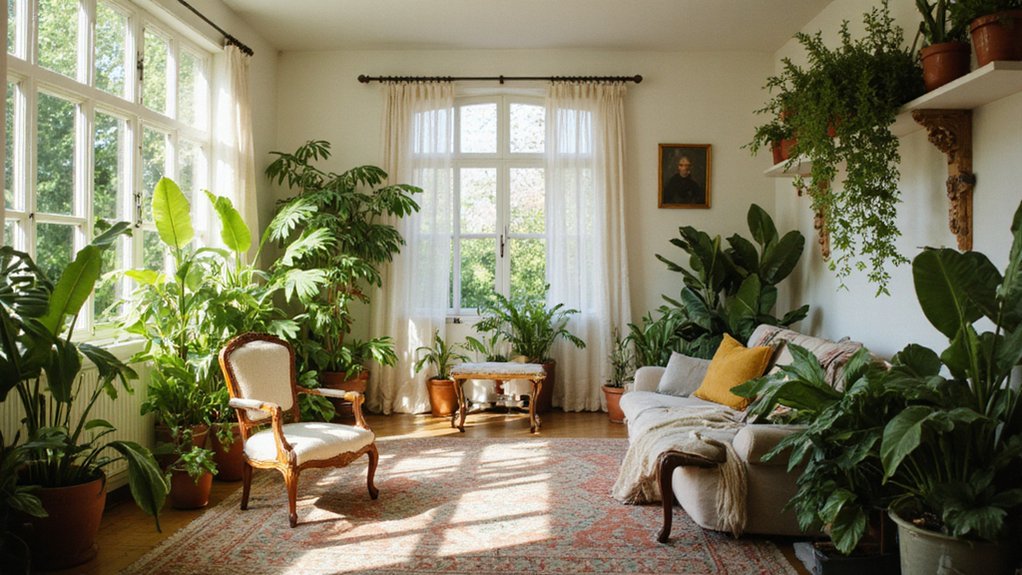
Nighttime ventilation can help when outdoor temperatures fall below the temperature inside your home.
Once the air outside becomes cooler, open suitable windows and doors to let some of that cooler air enter. Fans can help move warm indoor air out and bring cooler outdoor air through the house.
Window screens allow you to ventilate while keeping many insects outside. You can also position fans near windows to direct airflow where it’s needed.
Timing matters here. If outdoor temperatures start climbing again in the morning, close the windows and curtains before the house begins heating up. The idea is to hold onto the cooler indoor air for as long as possible.
This method works best in climates where evenings are noticeably cooler than afternoons. On a hot, humid night, opening windows may not make your home more comfortable.
Pay attention to outdoor conditions rather than following the same routine every night.
Incorporate Indoor Plants for Better Air Quality
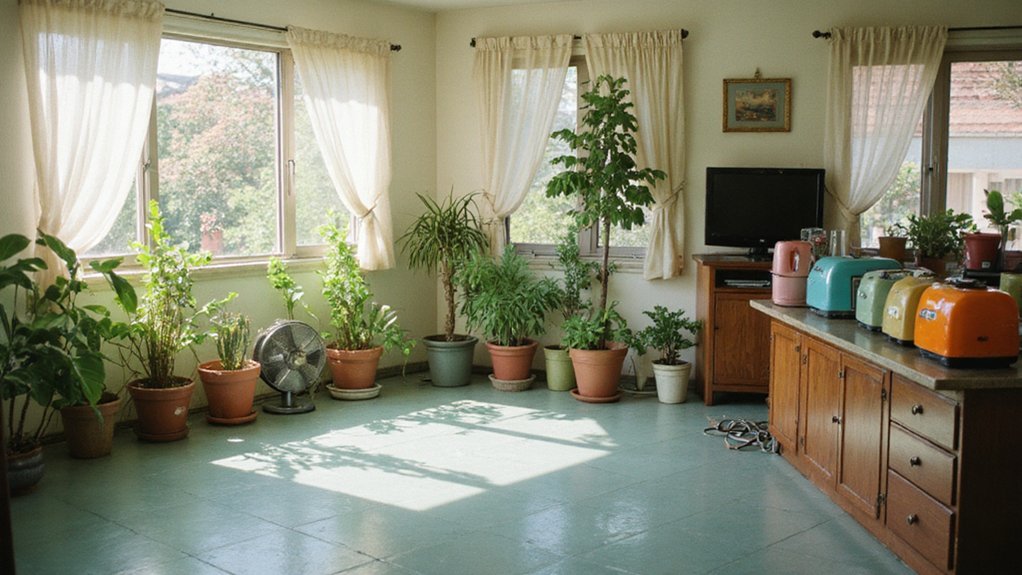
Indoor plants can make a room feel more pleasant, but they shouldn’t be treated as a substitute for proper cooling or ventilation.
Plants can add greenery and make indoor spaces feel more comfortable. Some plants may also contribute to indoor humidity through normal water loss from their leaves.
That doesn’t necessarily mean more plants will make a hot room cooler. In a humid climate, adding a lot of moisture indoors can make the space feel warmer and less comfortable.
If you enjoy indoor gardening, choose plants that suit the light and humidity conditions in your home. Place them where they can grow properly without blocking vents or restricting airflow.
Good plant care also matters. Overwatering can create its own indoor air and pest problems, so use suitable pots and avoid leaving excess water standing around the plants.
Think of indoor plants as part of your home’s overall environment rather than a main cooling method.
Turn Off Appliances During Peak Heat
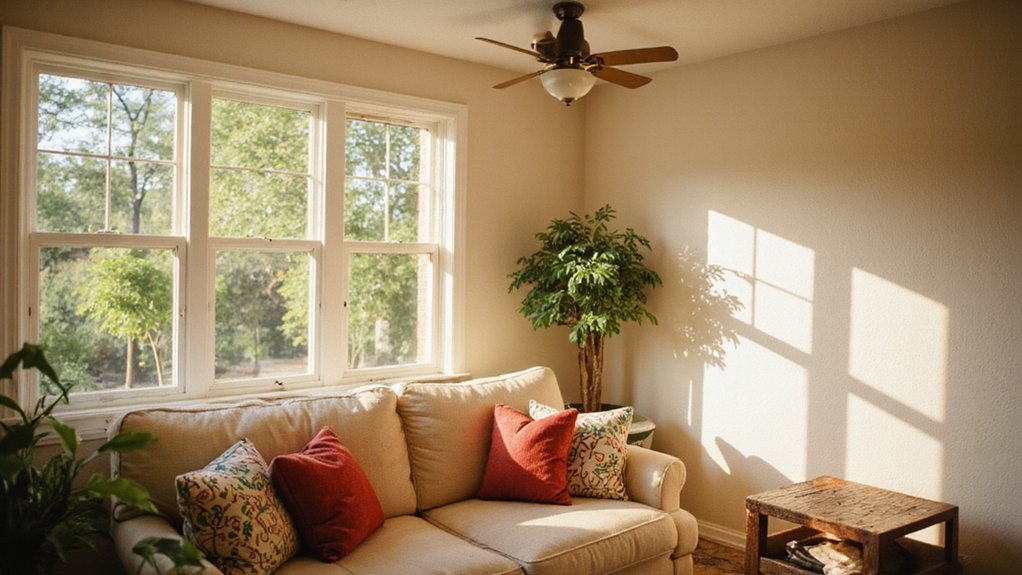
Many household appliances produce heat while they operate. During a very hot afternoon, that extra heat can make your AC work harder.
Ovens are one of the biggest examples. Dryers, stovetops, some lighting, televisions, computers, and other electronics can also add heat to a room.
When possible, avoid using the oven during the hottest part of the day. Cooking outdoors, using a microwave, or preparing meals that don’t require much cooking can reduce indoor heat.
If you need to run the clothes dryer, consider doing it later in the evening when outdoor temperatures are lower. The same approach can work for other heat-producing tasks around the house.
You don’t need to switch off everything. Focus on appliances that aren’t needed at the moment and those that generate noticeable heat.
Small changes can help keep the indoor temperature from climbing while your AC is already working to cool the house.
Seal and Insulate Your Home for Improved Energy Efficiency
Keeping cool air inside starts with the building itself.
Gaps around windows and doors can allow outdoor air to enter while conditioned air escapes. Poor insulation can also allow heat to move into the living space.
Check the areas where air and heat are most likely to move. Windows, doors, attics, walls, ducts, and vents are all worth inspecting.
Check Windows And Doors
Look closely at the edges of your windows and doors for visible gaps or damaged seals.
Weatherstripping can help seal moving parts around doors and windows. Caulk can be used for suitable stationary gaps around window frames and other areas where air can enter.
A simple way to spot a problem is to look for worn, cracked, or missing material around the frame. If you can feel warm air coming through a gap when the AC is running, that area may need attention.
Door sweeps can also help reduce the gap beneath exterior doors.
Don’t overlook doors that lead to garages or other unconditioned areas. Sealing these openings can help prevent hot air from moving into the living space.
Insulate Attic And Walls
Attics can become extremely hot during summer, especially when the roof receives direct sunlight throughout the day.
Proper attic insulation slows the movement of heat from the roof and attic space into the rooms below. Attic ventilation can also help manage heat and moisture, depending on the home’s design and climate.
Walls can also contribute to heat transfer. If your home has older or insufficient insulation, adding insulation may improve indoor comfort.
The right insulation type and amount depend on the construction of the home and the local climate. If you’re unsure what your home needs, a qualified professional can assess the existing insulation before you make changes.
Sealing gaps is also worth doing alongside insulation. Insulation works best when unwanted air movement is addressed as part of the same project.
Seal Ducts And Vents
Ducts carry cooled air throughout the home, so leaks can reduce the amount of conditioned air that reaches your rooms.
Look for visible gaps, loose connections, or damaged sections of ductwork. Ducts located in attics, crawl spaces, garages, or other unconditioned areas deserve extra attention because temperature differences can be greater there.
Mastic sealant or approved metal tape can be used for suitable duct repairs. Standard cloth-backed duct tape isn’t a good choice for long-term duct sealing because it can lose its grip over time.
Duct insulation can also help reduce temperature loss when ducts pass through hot, unconditioned areas.
If your ductwork is difficult to access or has extensive damage, an HVAC professional can inspect it and recommend suitable repairs.
Frequently Asked Questions
How Do Ceiling Fans Help Cool My Home More Efficiently?
Ceiling fans move air across your skin, which can make you feel cooler even though the fan doesn’t lower the actual room temperature.
During warm weather, set the fan to rotate counter-clockwise when viewed from below. Turn the fan off when the room isn’t occupied so you’re not using electricity when no one benefits from the airflow.
What Are the Best Plants for Improving Indoor Air Quality?
Pothos, snake plants, and peace lilies are commonly grown indoors, but plants shouldn’t be treated as a replacement for ventilation, filtration, or other methods of managing indoor air quality.
Choose plants based on the light, temperature, and moisture conditions in your home. Good care matters just as much as plant selection.
Can I Use Ice to Cool Air From a Fan?
You can place a bowl of ice in front of a fan and sit nearby to feel cooler air.
The effect is limited and temporary. The ice absorbs heat as it melts, while the fan moves air toward you. This can make the immediate area feel cooler, but it won’t meaningfully cool an entire room.
For a larger cooling effect, focus on reducing heat entering the room and using your AC or ventilation system appropriately.
How Often Should I Change My HVAC Filters?
Many HVAC filters need to be replaced about every one to three months, but the right interval depends on the filter, system, indoor conditions, and household use. If your heat pump isn’t cooling properly even with a clean filter, heat pump repair may be needed.
Check the manufacturer’s recommendation and inspect the filter regularly. A visibly dirty filter may need attention sooner.
Homes with pets, construction dust, or higher indoor particle levels may require more frequent filter changes.
What Temperature Should I Set My Thermostat for Optimal Cooling?
A thermostat setting around 78°F is commonly used as a balance between comfort and cooling costs when people are at home.
Your ideal setting depends on your comfort, outdoor conditions, humidity, insulation, and the design of your HVAC system.
Setting the thermostat much lower doesn’t make most AC systems cool the home faster. It simply asks the system to keep cooling until the lower temperature is reached.
Conclusion
Cooling your home doesn’t have to mean running the AC harder and harder throughout the day.
Start by keeping direct sunlight out with curtains, shades, films, or outdoor coverings. Use ceiling fans to improve comfort, and take advantage of cross-ventilation when outdoor air is cooler.
Look at the condition of your windows, doors, insulation, ducts, and vents as well. Sealing unwanted gaps and addressing weak insulation can help keep cooled air inside.
It also helps to limit heat from appliances during the hottest hours. Use nighttime ventilation when the weather allows it, and close windows and shades before outdoor temperatures rise again.
These simple changes can make your home more comfortable and give your AC an easier job, especially during periods of intense summer heat. If you’re considering replacing an older cooling system, heat pump installation is another option to discuss with an HVAC professional.
Change Notes
- Reworked the copy to sound more natural and conversational.
- Removed repetitive wording and stiff transitions.
- Kept the original blog title unchanged.
- Kept every JPG path exactly as provided.
- Did not add any images.
- Preserved the main topics, headings, FAQs, and overall structure.
- Reduced claims that were presented too broadly and added practical context where needed.
- Varied sentence length and paragraph structure for easier reading.
- Removed the listed AI-style and overly formal wording.
- Kept the tone informational rather than promotional.