

If your heat pump isn’t heating or cooling your home the way it should, the cause could be something fairly simple, such as a dirty filter, or something that needs professional attention, such as a refrigerant problem or electrical fault.
You may notice weak airflow, rooms that never reach the set temperature, longer run times, or ice forming on the outdoor unit. These signs can help narrow down what’s going wrong.
Some problems are easy to check yourself. Others involve electrical parts, refrigerant, or internal components and should be handled by a qualified technician.
Key Takeaways
- Dirty or clogged filters can restrict airflow and make it harder for a heat pump to heat or cool your home.
- Incorrect thermostat settings can cause temperature swings and unnecessary system run time.
- Low refrigerant can lead to poor heating or cooling, long run times, and ice on the coils.
- Electrical faults involving wiring, capacitors, fuses, or control boards can stop a heat pump from working properly.
- Cold temperatures, high humidity, frost, and other outdoor conditions can affect how well a heat pump performs.
- Ongoing temperature problems, strange noises, unusual smells, or repeated shutdowns are signs that a professional inspection may be needed.
How to Identify Heat Pump Problems Quickly
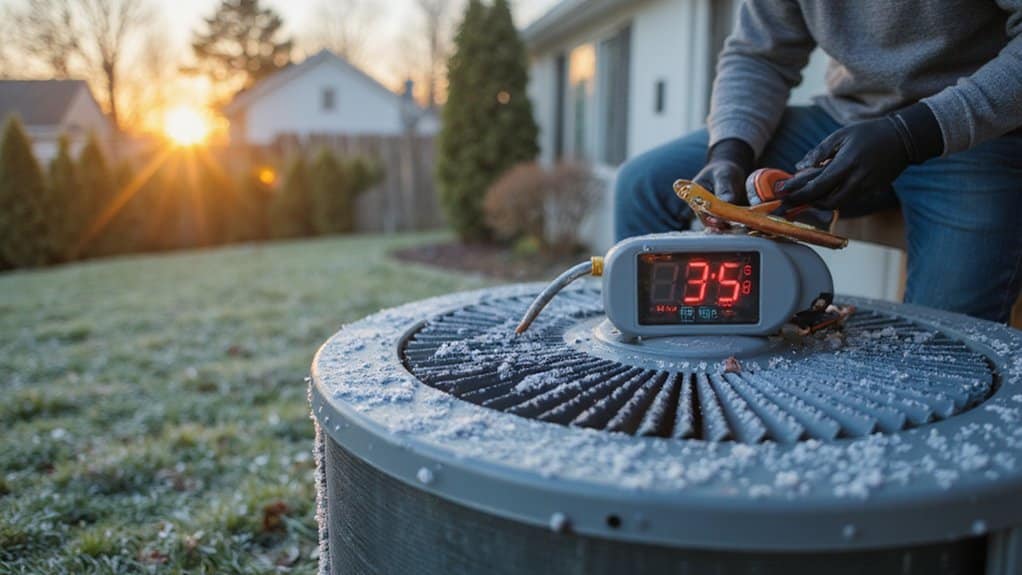
When a heat pump isn’t performing normally, a few simple checks can give you a better idea of where the problem may be.
Start with the thermostat. Make sure it’s set to the correct mode and temperature. If the thermostat isn’t reading the room temperature correctly, the heat pump may cycle at the wrong times or run longer than needed.
Next, check the air filter. A clogged filter can reduce the amount of air moving through the system. Look at the supply vents and return vents as well. Furniture, rugs, or other objects can sometimes block them.
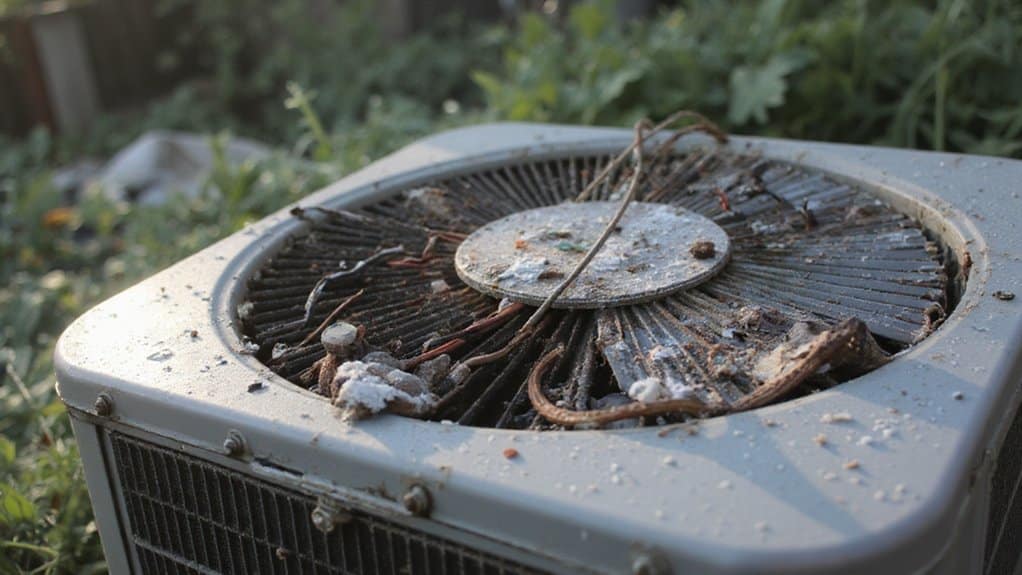
Take a look at the outdoor unit, too. Leaves, dirt, grass, and other debris can restrict airflow around the coil. Don’t remove panels or attempt to work on electrical components yourself.
Pay attention to sounds coming from the system. Grinding, squealing, buzzing, or repeated clicking can point to a mechanical or electrical problem.
These checks won’t identify every fault, but they can help you decide whether the issue is something simple or whether a professional needs to take a closer look.
Common Signs of a Heat Pump Malfunction
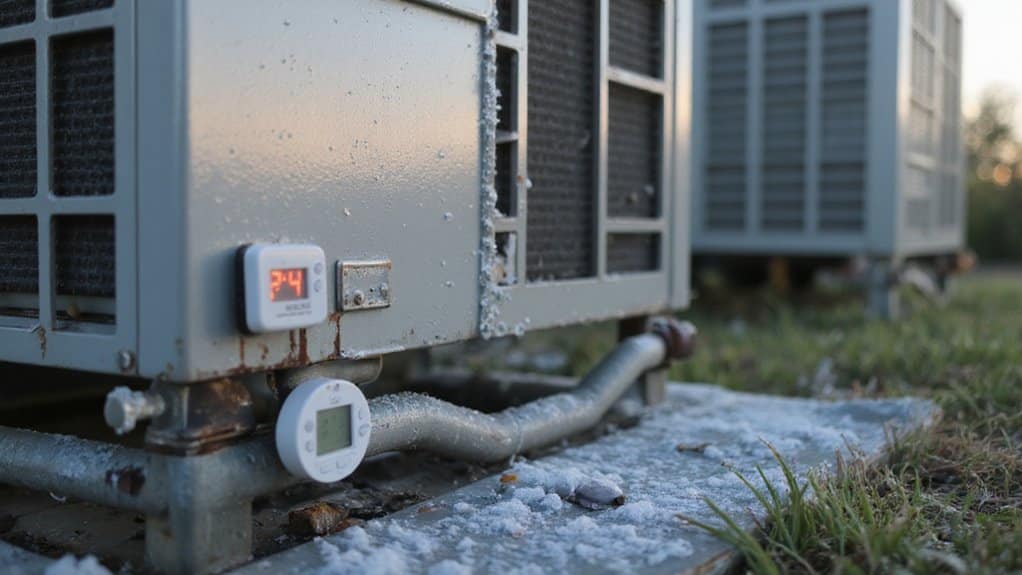
A heat pump can show several warning signs when something isn’t working correctly.
One of the most noticeable is inconsistent indoor temperatures. You may find that one room feels comfortable while another stays too warm or too cold. Weak airflow from the vents can also point to a filter, ductwork, blower, or other system problem.
Listen for unusual sounds. Grinding or squealing may point to a mechanical issue, while hissing can sometimes be associated with a refrigerant leak.
Ice on the outdoor unit can also deserve attention. A light layer of frost can occur during normal heating operation, and the system should periodically remove it through its defrost cycle. Heavy or persistent ice is different and may indicate a problem.
An unexpected rise in energy use is another sign to watch. If the heat pump is running for much longer than usual without keeping the home comfortable, something may be affecting its performance.
Spotting these changes early gives you a better chance of dealing with a small issue before it turns into a larger repair.
How Dirty Filters Affect Heat Pump Performance
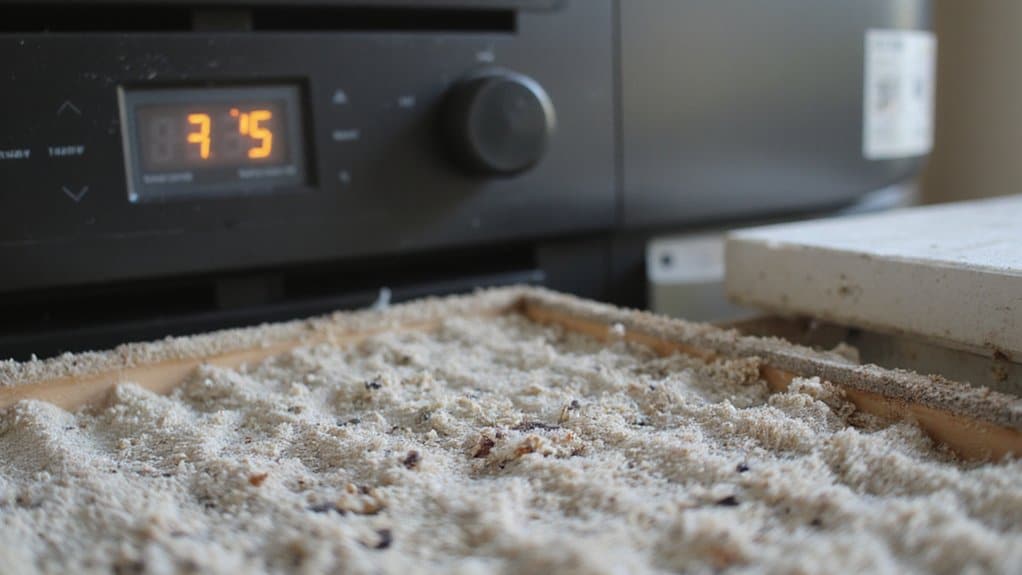
A dirty air filter is one of the simplest things to check when a heat pump isn’t heating or cooling properly.
When the filter becomes clogged with dust and debris, less air can pass through the system. The heat pump then has to run longer to move enough conditioned air through the home. You may notice weaker airflow, uneven temperatures, or longer heating and cooling cycles.
A severely blocked filter can put extra strain on the system. Over time, that added strain can contribute to wear on components and may increase energy use.
Check the filter regularly and replace or clean it according to the manufacturer’s instructions. Many filters need attention every one to three months, although the right schedule depends on the filter type, household conditions, and how often the system runs.
Don’t assume that a filter needs replacing just because a certain number of weeks have passed. Check its condition. Homes with pets, construction dust, or high indoor dust levels may need more frequent filter changes.
Keeping the filter clean is a simple way to support good airflow and comfortable temperatures.
What Role Does the Thermostat Play in Heat Pump Functionality?
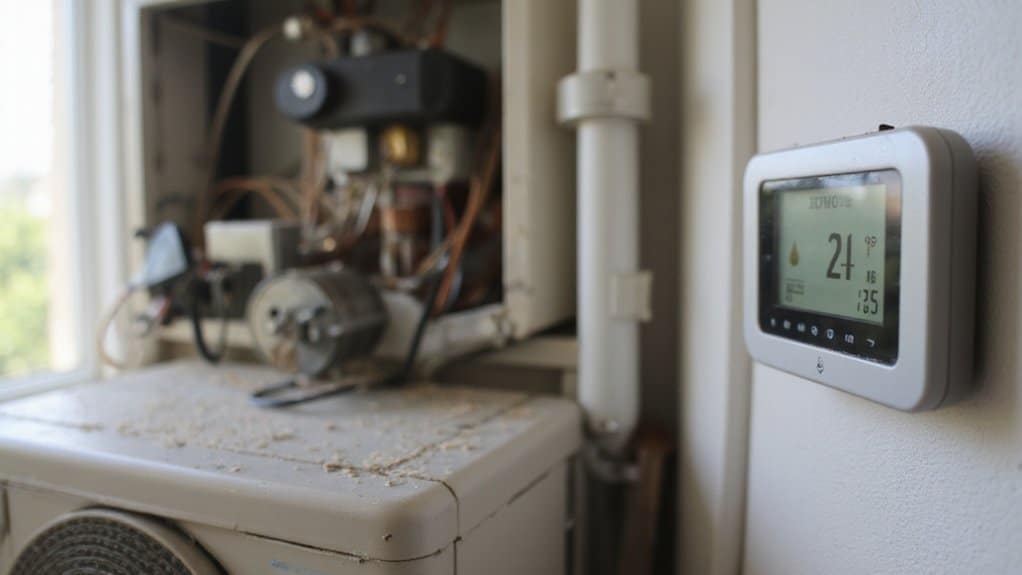
The thermostat tells your heat pump when to heat or cool the home. A problem with the thermostat or its settings can make the system appear to be malfunctioning when the issue is actually with the control.
Start by checking the mode. Make sure the thermostat is set to heating when you need heat and cooling when you need cooling. Check the temperature setting as well.
A thermostat that isn’t reading the room temperature correctly can cause the heat pump to cycle too often or run for long periods. Batteries can also cause problems on some thermostat models.
If your thermostat has a programmable schedule, review the settings to make sure they match your routine. A schedule that lowers or raises the temperature at unexpected times can make it seem like the heat pump isn’t doing its job.
If the thermostat appears to be working but the heat pump still isn’t responding properly, the issue may be elsewhere in the system. A technician can check the thermostat and its connection to the heat pump.
How Does Refrigerant Level Impact Your Heat Pump?
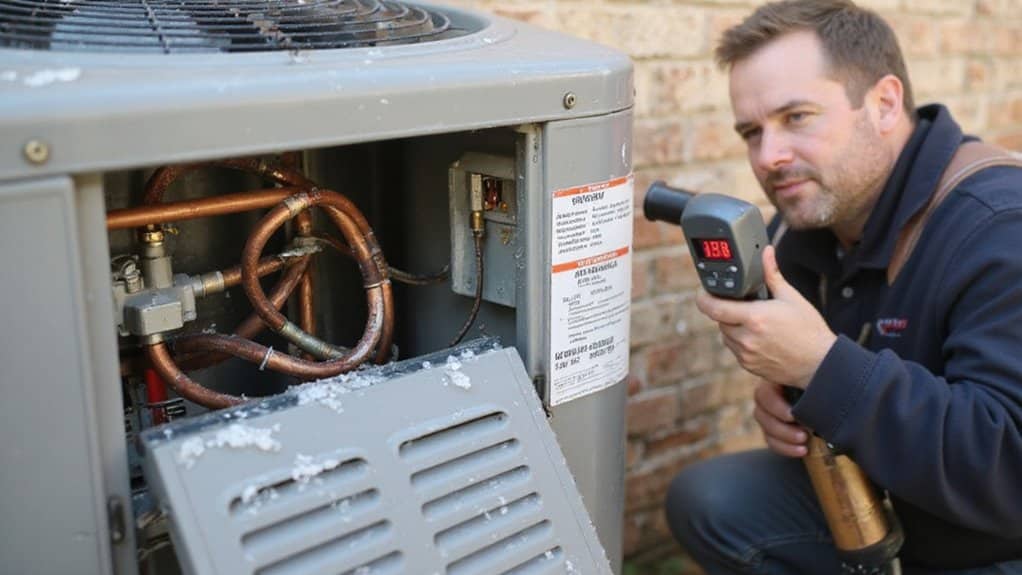
Refrigerant allows a heat pump to move heat between your home and the outdoors. If the system has too little refrigerant, it may struggle to heat or cool the space.
Low refrigerant isn’t usually something that happens simply because the system has been running for years. A low charge can be linked to a leak or another problem that needs to be found and corrected.
Refrigerant Level Basics
Heat pumps are designed to operate with a specific refrigerant charge. If the charge is too low, the system may not transfer heat properly.
You might notice that the heat pump runs for long periods but doesn’t reach the temperature shown on the thermostat. In cooling mode, the system may fail to cool the home adequately. In heating mode, it may struggle to provide enough heat.
A refrigerant problem can also place extra stress on the compressor. Since the compressor is one of the more costly components in a heat pump, a suspected refrigerant issue shouldn’t be ignored.
Adding refrigerant without finding the reason for the low charge doesn’t address the underlying problem. A qualified technician can test the system, look for leaks, and determine whether the refrigerant charge is within the manufacturer’s specifications.
Signs of Low Refrigerant
Low refrigerant can produce symptoms that overlap with other heat pump problems, so it’s difficult to confirm the issue based on symptoms alone.
Longer run times are one possible sign. The system may keep running without bringing the room to the desired temperature.
Another possible sign is ice forming on the indoor or outdoor coil, depending on the operating mode and the nature of the problem. Warm air during cooling or cool air during heating can also occur when the system isn’t moving heat properly.
If you suspect a refrigerant leak, don’t try to handle the refrigerant yourself. Refrigerant work requires the right equipment and training.
Effects on Efficiency
A heat pump with an incorrect refrigerant charge may use more energy because it has to run longer to reach the thermostat setting.
You may notice higher utility bills along with longer heating or cooling cycles. The home can also remain uncomfortable even though the system appears to be running constantly.
If these symptoms continue after checking the thermostat and filter, a professional diagnosis can help determine whether refrigerant, airflow, or another component is causing the problem.
How Ductwork Affects Temperature Control
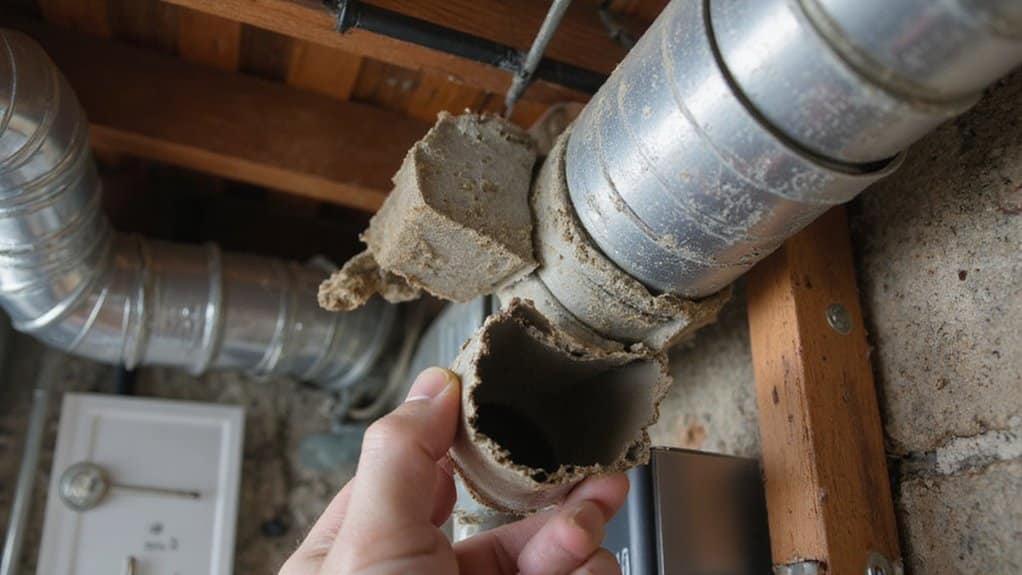
Your ductwork has a direct effect on how conditioned air moves through the house. Problems with duct size, insulation, connections, or airflow can leave some rooms warmer or colder than others.
A heat pump may be working normally while the duct system prevents that conditioned air from reaching certain areas effectively.
Duct Design Impact
Ducts need to be sized and laid out for the home and the heating and cooling system. If the design isn’t suited to the system, airflow can become uneven.
Leaks are another concern. Air can escape through gaps or poorly sealed connections before it reaches the intended room. Ducts located in unconditioned areas can also lose or gain heat when they aren’t insulated properly.
Return vents matter, too. If a return is blocked, the system may not be able to move air as intended.
Some homes use zoning systems to control temperatures in different areas. These systems can be useful, but they need to be designed and set up correctly for the heat pump and ductwork.
Airflow Restrictions Explained
Airflow restrictions can come from several places. A clogged filter is one possibility. Blocked vents, damaged ducts, closed dampers, and poorly sized ductwork can create similar symptoms.
You may notice weak airflow from certain vents or a noticeable temperature difference between rooms.
Start with the simple checks. Make sure vents are open and aren’t covered by furniture. Check the air filter and look for obvious problems around accessible ductwork.
If airflow remains weak, a technician can measure airflow and inspect the duct system to determine where the restriction may be occurring.
What Electrical Issues Can Break Your Heat Pump?
Heat pumps rely on several electrical components to start, run, and control the system. A fault in one of these parts can cause poor performance or stop the unit from operating altogether.
Common problems can include damaged wiring, failed capacitors, blown fuses, faulty connections, and problems with the control board.
A capacitor helps certain motors start and run. If it fails, the outdoor fan or compressor may not start correctly.
Control boards manage signals between different parts of the heat pump. A fault in the board can cause unusual cycling, failure to start, or other operating problems.
Electrical faults can also create safety hazards. If the heat pump repeatedly trips a circuit breaker, makes buzzing or sparking sounds, or produces a burning smell, switch the system off and have it inspected.
Avoid opening electrical panels or testing live components unless you’re trained and qualified to do so. These systems can carry dangerous voltage even when you’re not expecting it.
How Outdoor Conditions Impact Your Heat Pump
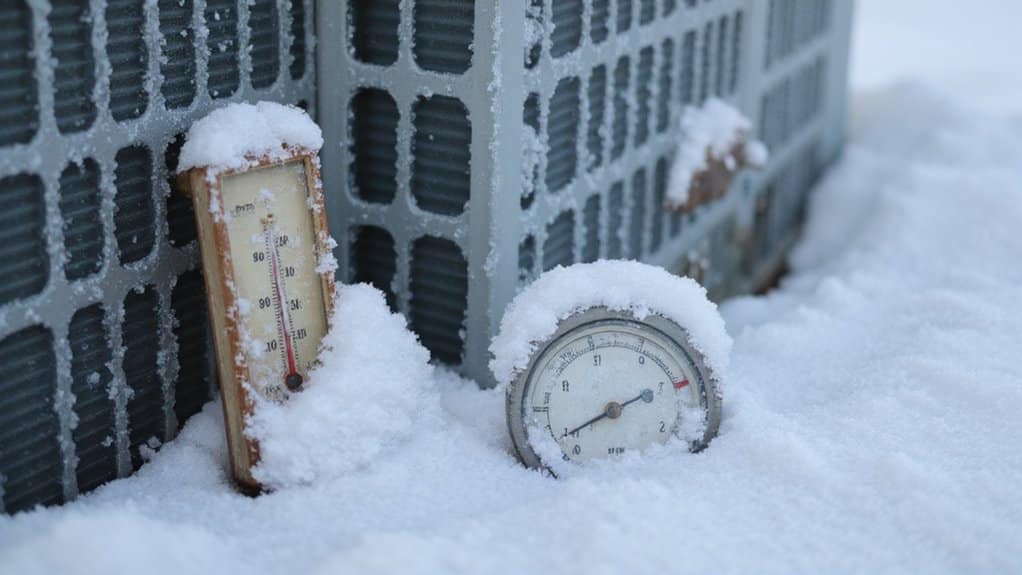
Outdoor weather can affect how a heat pump performs, especially during very cold or humid conditions.
In heating mode, the heat pump pulls heat from outdoor air. As the outdoor temperature drops, there is less available heat for the system to collect. Some heat pumps may also need supplemental heat during very cold conditions.
Humidity can contribute to frost forming on the outdoor coil. A properly operating system uses a defrost cycle to remove that frost.
Wind, snow, leaves, and other debris can also affect the outdoor unit. Make sure the area around the unit stays clear so air can move freely.
A small amount of frost during cold-weather heating isn’t necessarily a sign of failure. Heavy ice that doesn’t clear, blocked coils, or a heat pump that can’t maintain indoor temperatures may point to a problem that needs attention.
How Does Ice Buildup Affect Heat Pump Function?
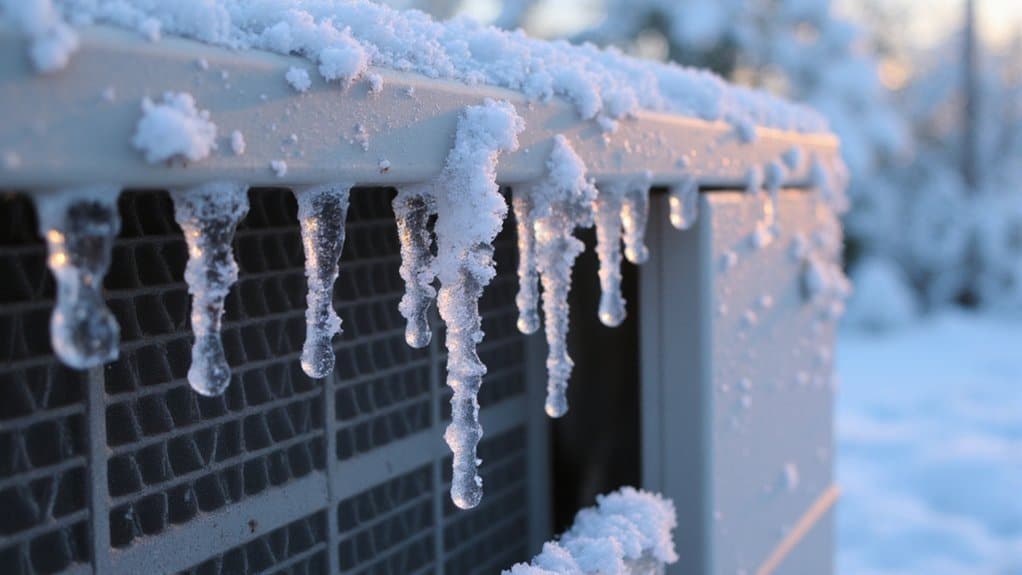
Some frost on a heat pump’s outdoor coil can be normal during heating. The system should use its defrost cycle to remove that frost periodically.
The problem starts when ice keeps building up instead of clearing. A thick layer of ice can cover the coil and restrict airflow, making it harder for the heat pump to exchange heat with the outdoor air.
Several issues can contribute to excessive ice. These may include airflow problems, a refrigerant issue, a faulty defrost control, or a problem with outdoor temperature sensors.
Don’t chip away at heavy ice with a tool. You could damage the coil or other components.
If the unit remains heavily iced over or the problem keeps returning, turn to a qualified technician for an inspection. They can determine why the defrost cycle isn’t keeping up and check the related components.
When to Call a Pro for Heat Pump Repairs?
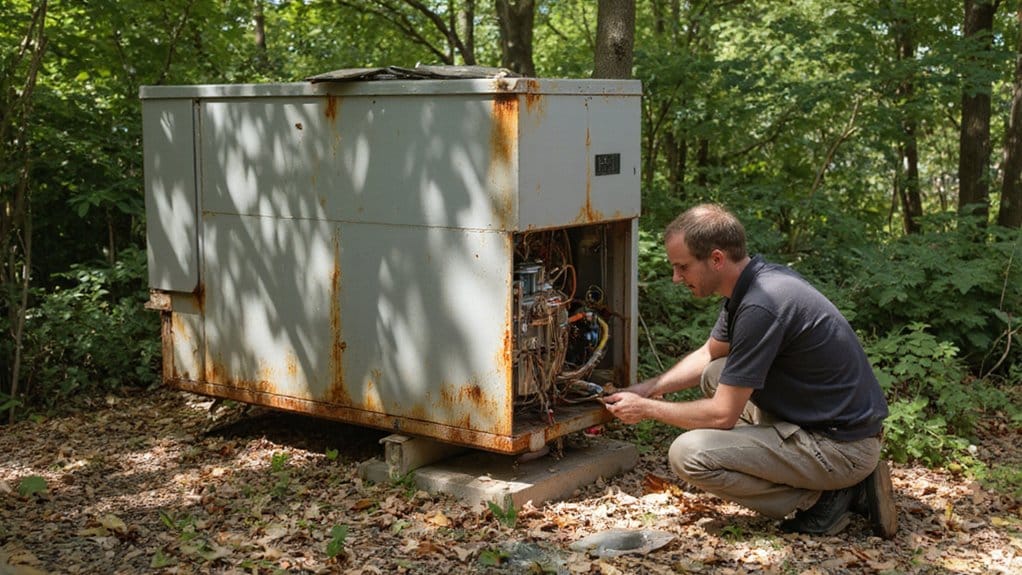
Some heat pump problems are easy to check. A dirty filter, blocked vent, or incorrect thermostat setting may be something you can correct yourself.
Other symptoms call for professional help. If the system keeps running without reaching the set temperature, repeatedly shuts down, develops heavy ice buildup, or produces strange sounds or smells, it’s time to have it inspected.
Signs of System Malfunction
Watch for changes in how the heat pump normally operates.
Weak airflow can point to a clogged filter, blocked ductwork, or a problem with the blower. Inconsistent temperatures may come from airflow problems, thermostat issues, insulation, or another system fault.
Unusual sounds deserve attention as well. Grinding, squealing, rattling, buzzing, and repeated clicking can come from different components, so identifying the exact source matters.
Burning odors are especially concerning when they appear alongside electrical problems. Turn the system off and arrange for an inspection rather than continuing to run it.
Persistent Temperature Imbalances
If one room stays much warmer or colder than the rest of the house, don’t automatically assume the heat pump itself has failed.
The cause could be a blocked vent, duct leak, insulation problem, thermostat issue, or inadequate airflow. Start by checking the filter and making sure all accessible vents are open and unobstructed.
If the temperature difference continues, a technician can inspect the ductwork and heat pump together. Looking at the whole system can make it easier to find the source of the problem.
Unusual Noises or Odors
Strange sounds can provide useful clues about a heat pump problem.
Grinding or squealing may be linked to a motor, fan, bearing, or another moving component. Hissing can sometimes occur when refrigerant is escaping, although other causes are possible.
Odors should also be taken seriously. A musty smell may be associated with moisture or biological growth in parts of the system. A burning smell can point to an electrical or mechanical problem.
If you notice a strong burning odor, shut the system off and arrange for professional service. Continuing to operate a system with a possible electrical fault can create a safety risk.
Frequently Asked Questions
Can a Heat Pump Work Effectively in Extreme Temperatures?
Yes, a heat pump can operate in very hot or cold weather, but its heating or cooling capacity can change as outdoor conditions become more demanding.
The exact operating range depends on the type and model of the heat pump. Some systems are designed to continue heating in very cold conditions, while others may use supplemental heat when outdoor temperatures fall below a certain point.
How Long Should a Heat Pump Last Before Replacement?
A heat pump typically lasts around 10 to 15 years, although actual service life varies.
Maintenance, operating conditions, installation, usage, and climate can all affect how long the system remains in service. Frequent repairs, recurring performance problems, and rising energy use may indicate that an older system needs a closer evaluation.
What Maintenance Is Required for Optimal Heat Pump Performance?
Regular maintenance can include checking or replacing air filters, inspecting the outdoor unit, checking airflow, examining ductwork, and reviewing thermostat operation.
Refrigerant levels and electrical components should be checked by a qualified technician. The manufacturer’s maintenance recommendations should also be followed for your specific heat pump model.
Are Heat Pumps Energy-Efficient Compared to Other Heating Systems?
Heat pumps can use electricity to move heat rather than creating heat through combustion or electric resistance. This can make them an energy-saving option for heating and cooling, depending on the system, climate, home, and operating conditions.
Actual energy use varies from one home and heat pump to another.
How Can I Improve My Heat Pump’s Efficiency?
Start with the basics. Keep the air filter clean, make sure vents aren’t blocked, and keep debris away from the outdoor unit.
Use thermostat settings that fit your household routine, and have the system inspected when performance changes. Proper heat pump sizing, heat pump installation, and suitable ductwork can all affect how well the system heats and cools your home.
Conclusion
A heat pump can stop heating or cooling properly for several reasons. Dirty filters, thermostat problems, airflow restrictions, refrigerant issues, electrical faults, and outdoor conditions can all affect system performance.
Some warning signs are easy to spot. Weak airflow, uneven room temperatures, long run times, heavy ice buildup, unusual noises, and strange odors are worth paying attention to.
Start with simple checks such as the thermostat, filter, vents, and outdoor unit. If the problem continues, or if you suspect refrigerant or electrical trouble, have a qualified professional inspect the system.
Regular maintenance can also help catch problems earlier and keep the heat pump working as expected.