


Choosing the right system to cool and heat your home in Duncan is not always simple. Many homeowners compare heat pumps and traditional air conditioners, trying to understand which option makes the most sense long term.
Heat pumps stand out because they handle both heating and cooling. Traditional air conditioners focus only on cooling and rely on a separate system for heat. Cost, performance, maintenance, and climate all play a role in deciding which setup fits your home best.
This guide walks through the real differences so you can make a clear, informed choice.
What Sets Heat Pumps and Air Conditioners Apart?
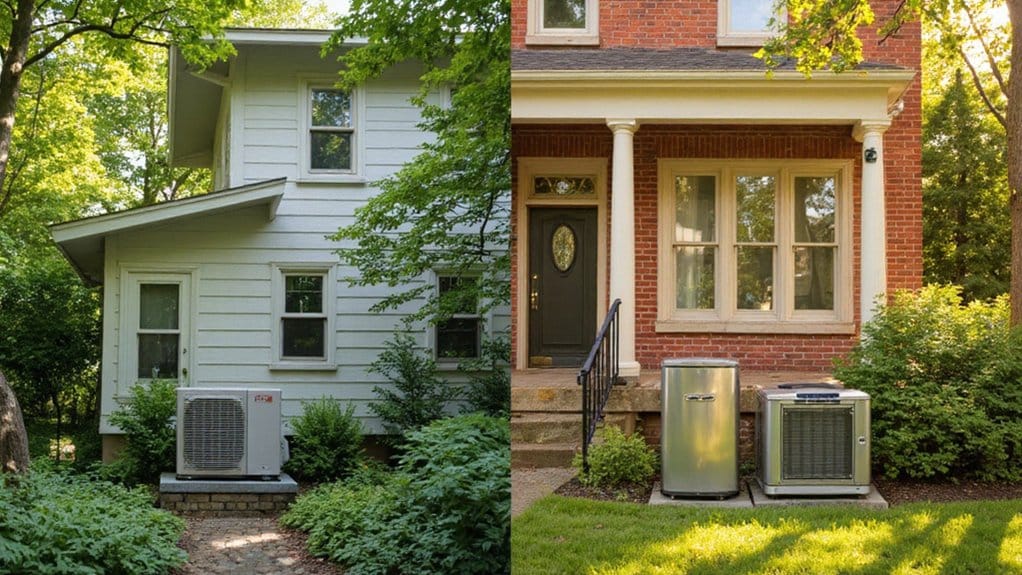
At a basic level, both systems move heat using refrigeration. The difference lies in how they use that process.
A traditional air conditioner removes heat from inside your home and releases it outdoors. Once the cooling season ends, the system has no further role. Heating requires a separate furnace or baseboard setup.
A heat pump works in two directions. During warmer months, it cools your home just like an air conditioner. When temperatures drop, it reverses the process and pulls heat from the outside air to warm your home.
This dual function is the main reason homeowners in moderate climates consider heat pumps.
Another factor is lifespan. Heat pumps often last around 15 years or more when maintained properly. Many air conditioners fall within a 10 to 15 year range. Over time, this difference can affect overall ownership costs.
Looking at Energy Use and Daily Operation

Energy use is one of the biggest factors for homeowners comparing these systems.
Heat pumps move heat rather than creating it. Because of this, they usually use less electricity to maintain comfortable indoor temperatures. That difference becomes noticeable over time, especially in homes that rely on the system year round.
Traditional air conditioners are measured using a SEER rating, which reflects cooling performance. Heat pumps are rated for both cooling and heating, using SEER and HSPF values. Higher numbers indicate lower energy use for the same level of comfort.
For many households, this means heat pumps lead to lower monthly utility bills. The savings depend on home size, insulation, and how often the system runs, but the pattern remains consistent.
How Duncan’s Climate Affects System Performance

Duncan’s climate plays an important role in how well each system performs.
The area experiences mild winters and warm summers, without long stretches of extreme cold. This type of environment suits heat pumps well. Since they pull heat from outdoor air, they operate more smoothly when temperatures stay above severe winter levels.
Traditional air conditioners perform well during summer but do nothing during colder months. Heating still depends on a separate system, which can increase overall energy use and maintenance needs.
For Duncan homes, the ability of heat pumps to handle both seasons often fits the local weather pattern better than single purpose cooling systems.
Local Weather and Indoor Comfort
Homes in Duncan benefit from systems that adjust easily as temperatures change.
Heat pumps respond well to gradual seasonal shifts. They keep indoor temperatures steady without sharp spikes in energy use. This is useful during spring and fall, when temperatures vary throughout the day.
Traditional air conditioners are effective during hot weather but stay idle outside the cooling season. This limits flexibility and can leave homeowners relying more heavily on secondary heating systems.
Managing Seasonal Temperature Changes
The shift from summer heat to winter chill happens gradually in Duncan.
Heat pumps adjust naturally as seasons change. The same system cools your home in summer and warms it in winter, which simplifies temperature control.
Traditional air conditioners require a separate heating setup to handle colder months. This can mean higher overall energy use and more equipment to maintain.
Comparing Installation Costs Up Front

Cost is often the first concern for homeowners.
Heat pumps usually cost more to install than traditional air conditioners. This is because they are designed to handle both heating and cooling. The system itself is more complex, and installation can take more time.
Traditional air conditioners typically have lower initial costs. For homeowners replacing an older cooling unit while keeping an existing heating system, this option can feel simpler and more affordable at first.
Financing options can help offset these differences. Many homeowners spread the cost over time, which makes higher upfront prices easier to manage.
Initial Price Differences
Heat pumps require a larger upfront investment in most cases.
The equipment cost is higher, and installation may involve adjustments to electrical systems or ductwork. That said, many newer homes are already suitable for heat pump installation without major changes.
Air conditioners tend to have lower purchase and installation costs. This appeals to homeowners focused on short term expenses rather than long term use.
Looking Beyond the First Bill
When costs are viewed over several years, the picture changes.
Heat pumps often use less energy overall, which can reduce monthly utility bills. Over time, these savings help balance the higher installation price.
Air conditioners may cost less at the start, but higher energy use and the need for a separate heating system can increase long term expenses.
Maintenance Needs and Ongoing Care

Both systems need regular care to run smoothly.
Heat pumps require filter changes every one to three months. Outdoor units should be kept clear of leaves and debris. Annual inspections help catch small issues before they turn into costly repairs.
Air conditioners need similar attention. Filters must be cleaned or replaced, condensate drains should be checked, and refrigerant lines inspected for wear.
Because heat pumps run throughout the year, regular maintenance becomes even more important. Proper care supports consistent performance and extends system life.
Performance During Extreme Weather

Weather extremes can highlight the strengths and limits of each system.
Heat pumps can lose heating capacity during very cold weather. When outdoor temperatures drop sharply, the system has less heat to draw from the air. In Duncan, this is rarely a long term issue due to generally mild winters.
Traditional air conditioners handle cooling well during heat waves but offer no heating support at all. Comfort during cold weather depends entirely on a separate heating system.
For areas with steady, moderate conditions, heat pumps perform well year round. In regions with harsh winters, backup heating options become more important.
Environmental Impact and Energy Sources

Heat pumps are often chosen for their lower environmental impact.
They use electricity to move heat rather than burning fuel to create it. This leads to lower overall energy use and reduced emissions. As electricity grids shift toward cleaner sources, the environmental benefits increase.
Traditional air conditioners rely on energy intensive cooling processes. Their refrigerants and power demands contribute more heavily to environmental strain.
For homeowners who want to reduce household energy use while maintaining comfort, heat pumps offer a practical option.
Long Term Cost Considerations

Over time, operating costs matter just as much as installation prices.
Heat pumps can lower energy bills by 30 to 40 percent compared to separate heating and cooling systems. These savings add up year after year, especially in homes that rely on the system through all seasons.
Air conditioners do not offer these combined savings. Cooling costs remain separate from heating expenses, which can lead to higher overall energy use.
For many homeowners, the long term financial picture favors heat pumps, even with higher upfront costs.
What Homeowners Say About Their Choice

Homeowner experiences vary based on expectations and home conditions.
Many people appreciate the steady comfort and lower energy bills that come with heat pumps. The convenience of one system handling both heating and cooling is often mentioned as a benefit.
Some homeowners express concern about performance during rare cold snaps or about the initial installation cost. Others prefer traditional air conditioners because they are familiar and simpler to replace.
Listening to real experiences helps highlight the tradeoffs. The right choice depends on budget, climate, and how long you plan to stay in your home.
Common Questions Homeowners Ask
How long does a heat pump usually last?
Most heat pumps last between 15 and 20 years with regular maintenance. Traditional air conditioners often last closer to 10 to 15 years.
Can heat pumps handle colder weather?
Modern heat pumps can heat homes in cold conditions, though performance decreases as temperatures drop. In mild climates like Duncan, they remain effective for most of the year.
Are heat pumps louder than air conditioners?
Heat pumps are usually similar in noise level or quieter than traditional air conditioners. Proper installation helps reduce operational sound.
Do heat pumps need special ductwork?
Most heat pumps work with existing duct systems. A professional assessment helps confirm airflow compatibility.
How do I know what size system I need?
System size depends on home size, insulation, layout, and climate. A professional load calculation provides the most accurate recommendation.
Final Thoughts on Choosing the Right System
Heat pumps offer a flexible solution for Duncan homes, handling both heating and cooling in one system. Their lower energy use, longer lifespan, and environmental benefits make them appealing for long term homeowners.
Traditional air conditioners still suit certain situations, especially where upfront cost is the main concern or where separate heating systems are already in place.
By weighing climate, budget, and comfort needs, homeowners can choose a system that fits both their home and lifestyle.