

A heat pump can be a long-term part of your home’s heating and cooling system, but it won’t last forever. In a Vancouver Island home, a typical heat pump may last around 10 to 15 years when it’s installed properly and looked after regularly.
The actual lifespan can vary from one home to another. The quality of the installation, how often the system is used, regular maintenance, and the conditions around the outdoor unit can all make a difference.
Knowing what affects the life of your heat pump can help you spot problems early and keep the system running well for as long as possible.
Key Takeaways
- A heat pump typically lasts 10 to 15 years in a Vancouver Island home with proper installation and maintenance.
- Regular maintenance and seasonal checks can help extend the life of the unit.
- Keeping the outdoor unit clean and clear of debris is especially useful in Vancouver Island’s damp climate.
- Very cold or difficult weather conditions can make a heat pump work harder.
- Rising energy bills, uneven heating or cooling, and frequent repairs can indicate that the system may be nearing the end of its service life.
What You Need to Know About Heat Pump Lifespan on Vancouver Island
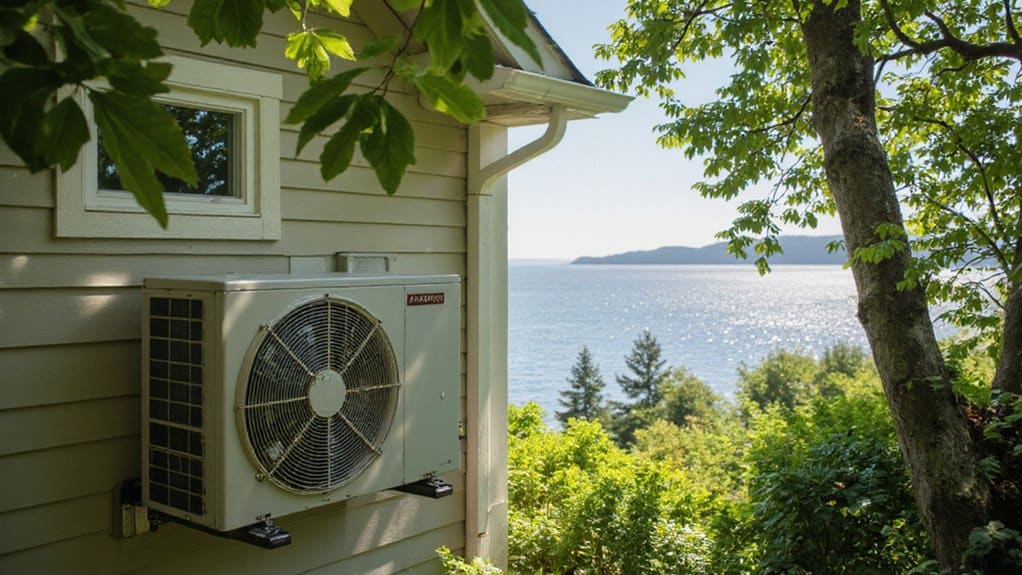
A well-maintained heat pump can often provide around 10 to 15 years of service. That range isn’t a guarantee, though. Two systems of the same age can be in very different condition depending on how they were installed and maintained.
Installation plays a big part in how a heat pump performs over time. The system needs to be properly sized for the home, and the indoor and outdoor units need enough space for good airflow. Poor sizing or restricted airflow can put extra strain on the equipment.
The location of the outdoor unit also matters. It should have enough room around it for air to move freely and should be kept clear of leaves, branches, dirt, and other debris.
Regular care matters just as much. Replacing or cleaning filters, checking the outdoor unit, and arranging professional service can help catch smaller issues before they turn into larger repair problems.
The quality of your heat pump installation can have a lasting effect on how the system performs over the years
How to Keep Your Heat Pump Running Longer
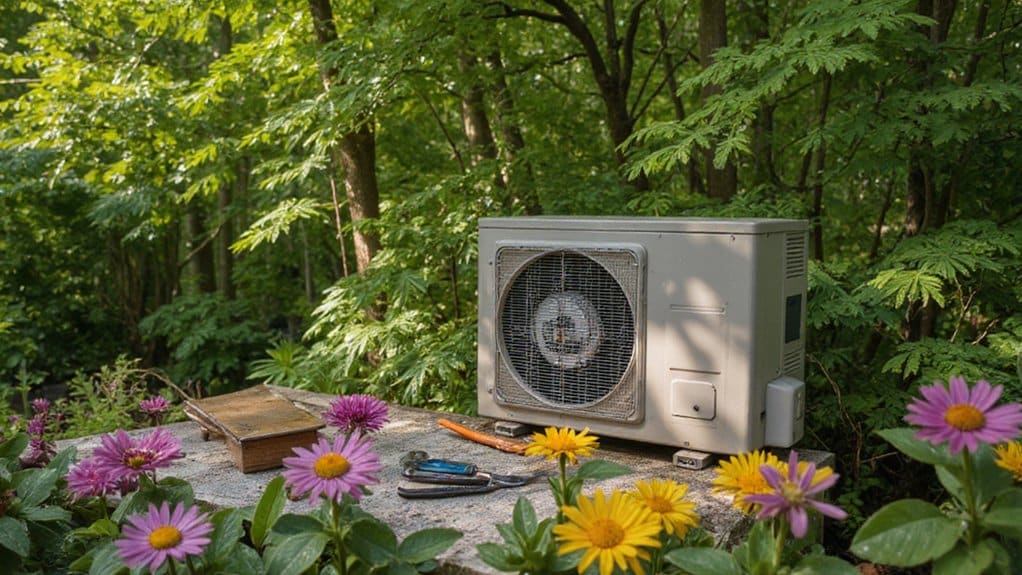
Regular maintenance is one of the simplest ways to look after a heat pump. A little attention throughout the year can help keep the system working as it should.
Start by checking the filters regularly. Dirty filters restrict airflow, which can make the system work harder. Depending on the type of filter and the conditions inside your home, cleaning or replacing it every few months may be needed.
The outdoor unit deserves attention, too. Keep leaves, dirt, grass, and other debris away from the unit. Make sure nothing is blocking the airflow around it.
It’s also worth paying attention to changes in the system’s performance. If the heat pump starts making unusual noises, struggles to maintain the temperature, or seems to run much more often than usual, arrange a professional inspection.
Annual professional maintenance can also help identify worn parts, refrigerant problems, airflow issues, and other concerns before they become more serious.
Top Factors Influencing Your Heat Pump’s Lifespan
Several things can affect how long a heat pump lasts. The quality of the original installation is one of them. A system that isn’t sized correctly or has airflow or refrigerant issues may experience more strain over time.
Maintenance habits matter, too. Regular inspections give you a chance to catch small problems before they lead to more wear on the system. A heat pump that receives little or no maintenance may develop issues that become more expensive to repair.
The type of heat pump can also affect its expected service life. Different systems have different designs, components, and operating requirements.
Your household’s usage also plays a part. A heat pump that runs heavily throughout the year will naturally experience more operating hours than one used less often.
The outdoor environment matters as well. Vancouver Island’s damp conditions can affect outdoor equipment over time, especially if the unit isn’t kept clean and clear.
Heat Pump Lifespan Across Various Conditions
The conditions around your home can affect how hard your heat pump has to work. Temperature, humidity, air quality, and exposure to the elements can all have an effect on the equipment over time.
Vancouver Island has a relatively mild climate, but homes still experience damp weather and periods of colder temperatures. Moisture around outdoor equipment can contribute to corrosion over time, while colder weather may cause the system to work harder to maintain the indoor temperature.
Keeping the outdoor unit clean and giving it enough space for proper airflow can help. It’s also a good idea to keep an eye on the system during periods of heavy use.
Regular filter changes and professional inspections can help keep the system in good working order. If you notice a change in heating or cooling performance, don’t wait until the system stops working completely before having it checked.
Heat Pump Lifespan: Signs You Need a Replacement
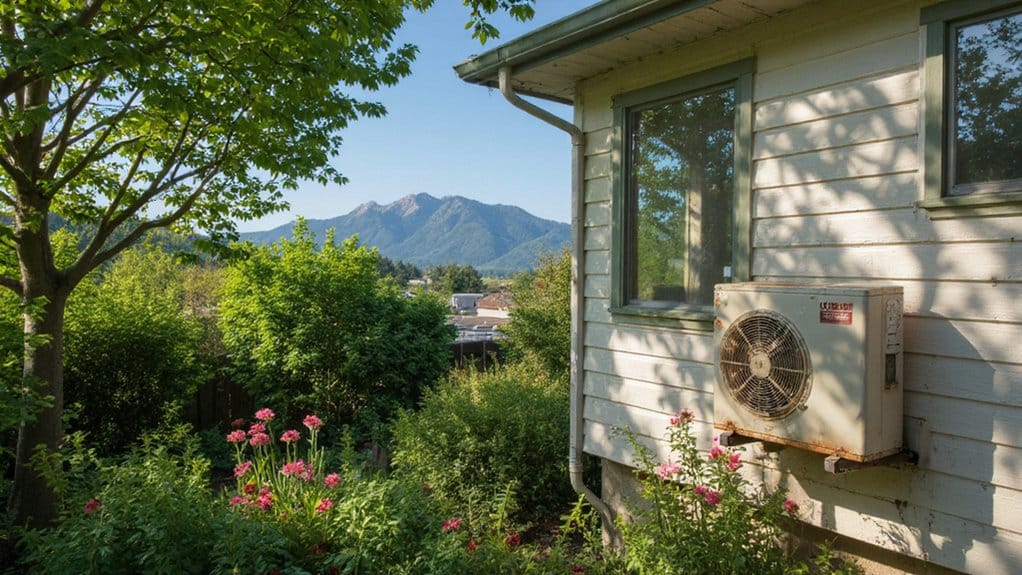
Even with regular maintenance, a heat pump will eventually reach the point where replacement makes more sense than continued repairs. Age is one factor, but it isn’t the only one.
Pay attention to changes in how the system operates. Uneven heating or cooling, unusual noises, weak airflow, and a noticeable increase in energy bills can all point to a problem.
Frequent repairs are another sign to watch. If you’re repeatedly paying to fix an older heat pump, it may be worth discussing replacement options with a qualified professional.
Ice buildup on the outdoor unit can also indicate an issue that needs attention. While some frost can occur during normal operation, persistent or excessive ice may point to a problem with airflow, refrigerant, or another part of the system.
A heat pump that’s around 15 years old and showing several of these signs may need closer assessment. A professional can inspect the system and help determine whether repair or replacement is appropriate.
Regular filter changes, annual professional inspections, and keeping the outdoor unit clear can help you get more years from the system.
If an older system needs frequent heat pump repairs, it may be worth having a professional assess whether continued repairs make sense
Frequently Asked Questions
How Much Does It Cost to Replace a Heat Pump?
The draft estimates that replacing a heat pump typically costs between $3,500 and $7,500. The final price can vary depending on the type of system, its energy rating, the installation work required, and local conditions.
Because installation costs can vary from one home to another, it’s worth getting a detailed quote based on your property rather than relying on a general price range.
Are There Specific Brands Known for Longevity?
The original draft mentions Trane and Carrier as brands associated with longevity. Brand alone isn’t the only thing to look at when choosing a heat pump, though.
Installation and ongoing maintenance can have a major effect on how a system performs over the years. A properly installed system that receives regular service may have a better chance of reaching its expected service life.
Can I Install a Heat Pump Myself?
Heat pump installation can be complicated, particularly when the work involves electrical connections, refrigerant, sizing, and system setup.
Following the manufacturer’s instructions is necessary, but that doesn’t make every part of the installation suitable for DIY work. Having a qualified professional handle the installation can help reduce the risk of setup problems and future performance issues.
Once the system is installed, regular maintenance still matters. Filters should be checked, the outdoor unit should be kept clear, and the system should be inspected when something doesn’t seem right.
What Is the Warranty Duration for Heat Pumps?
Heat pump warranties commonly range from five to ten years, depending on the manufacturer and the specific equipment.
Warranty terms can vary, so check the documentation that comes with your system. Some warranties may also have conditions related to registration, installation, or maintenance.
Keeping records of professional service and maintenance can be useful if you ever need to make a warranty claim.
Do Heat Pumps Require Special Permits for Installation?
Heat pump installations may require permits, depending on the location and the type of work being carried out.
For a Vancouver Island home, check the requirements that apply to your local municipality before installation begins. Permit requirements can vary between communities, and electrical or other related work may have separate requirements.
Handling the required permits before work starts can help avoid problems later, including issues when selling or renovating the property.
Conclusion
A heat pump in a Vancouver Island home can often last around 10 to 15 years when it’s installed correctly and maintained regularly.
The way the system is installed, how often it runs, the care it receives, and the conditions around the outdoor unit can all affect its service life.
Regular filter changes, professional inspections, and keeping the outdoor unit clear can help you get the most from your system. It’s also worth paying attention to changes in performance, rising energy costs, unusual sounds, or frequent repairs.
When an older heat pump starts showing several of these signs, having it inspected can help you decide whether a repair is still practical or whether it’s time to consider a replacement.