

Cooling costs can sneak up on you, especially during warmer months in Duncan. The good news? You don’t need a brand-new air conditioner to bring those bills down. A few small changes around your home can make a real difference. Some are simple habits. Others take a little effort but pay off fast.
If you’re trying to stay comfortable without watching your energy bill climb every month, here’s what actually works.
Key Takeaways
A few smart moves can go a long way. Keep your AC clean, use your thermostat wisely, and don’t ignore air leaks. Ceiling fans, window coverings, and timing your daily routines better can also help more than most people expect.
Perform Regular Maintenance on Your Air Conditioner
If your air conditioner hasn’t been checked in a while, that’s a good place to start. A system that’s dirty or clogged has to work harder, and that shows up on your bill.
Check your air filter first. If it looks dusty or gray, it’s time to replace it. Most homes need a new filter every one to three months. A clean filter lets air move freely, which helps your system cool your home faster.
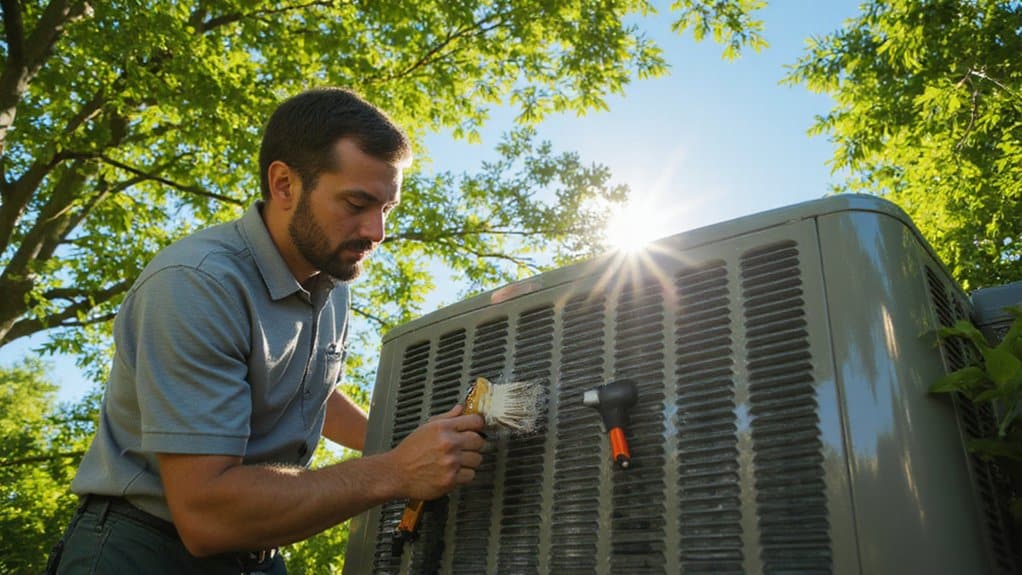
Next, step outside and look at the condenser unit. Leaves, dirt, and grass clippings can pile up around it. Clear the area and gently rinse the fins with a garden hose. Just be careful not to bend them.
Low refrigerant can also cause higher energy use. That’s not a DIY fix, but a professional tune-up once a year can catch issues like this before they turn into expensive repairs.
Set Your Thermostat Smarter

Your thermostat setting matters more than you might think. Even a small adjustment can lower your cooling costs over time.
If you’re away during the day, raise the temperature a few degrees while you’re gone. Lower it again before you get home. Doing this manually works, but programmable or smart thermostats make it much easier.
Some homes also benefit from zoning. If certain rooms aren’t used often, there’s no reason to cool them the same way you cool your living space. Closing vents or adjusting settings by area can help avoid wasted energy.
You don’t have to sacrifice comfort. You just have to be intentional about when and where you cool.
Use Ceiling Fans and Fresh Air

Ceiling fans don’t lower the temperature, but they do make you feel cooler. That breeze helps sweat evaporate, which is why a room feels more comfortable even when the thermostat stays the same.
Make sure your fans spin counterclockwise in summer. This pushes air down and creates that cooling effect. You can often raise your thermostat a few degrees when fans are running and still feel fine.
Fresh air helps too. Early mornings and evenings in Duncan are usually cooler. Open windows during those times and place fans near them to pull in outdoor air. If you can open windows on opposite sides of your home, you’ll get better airflow without touching the AC.
Seal Leaks and Improve Insulation

Cool air escaping your home is money slipping away. Small gaps around windows, doors, and attic openings can add up fast.
Walk around your house and check for drafts. If you feel air coming in, seal it with caulk or weatherstripping. These fixes are inexpensive and don’t take much time.
Insulation matters just as much. Attics are a big trouble spot, especially in older homes. If insulation is thin or uneven, your home heats up faster and stays hot longer. Fiberglass, spray foam, and cellulose are common options, and each works well when installed properly.
Better insulation helps keep your home comfortable all day, not just when the AC is running.
Keep Heat Out With Window Treatments

Sunlight streaming through windows feels nice, but it also brings heat inside. That extra warmth makes your air conditioner work harder.
Thick curtains or insulated drapes help block sunlight during the hottest parts of the day. Blackout shades are another solid option, especially for rooms that get direct sun in the afternoon.
Closing curtains before the heat builds up can keep rooms noticeably cooler. It’s a simple habit, but it works.
Cut Back on Heat Inside Your Home

A lot of indoor heat comes from things you use every day. Cooking, laundry, and appliances all raise the temperature inside your home.
Use Appliances at Better Times
Try running dishwashers, washing machines, and dryers early in the morning or later in the evening. Those machines give off heat, and using them during cooler hours helps your AC keep up.
If your appliances have energy-saving settings, use them. They usually run longer but produce less heat. Air drying clothes instead of using the dryer helps even more.
Change When You Cook
Cooking during the middle of the day can turn your kitchen into a heat trap. If possible, cook in the morning or later in the evening.
Grilling outside is another good option. Evening grilling keeps heat out of the house and gives you a reason to enjoy the cooler air. Making meals in batches also helps. Reheat instead of cooking from scratch when it’s hottest.
Choose Energy-Efficient Appliances When You Can

Old appliances can quietly drive up your energy use. If you’re planning an upgrade anyway, look for models with the ENERGY STAR label. They use less power and usually give off less heat.
An energy audit can also help. It shows which appliances and systems use the most electricity in your home. That way, you know where upgrades will actually make a difference.
You don’t have to replace everything at once. Even one or two better appliances can lower your cooling costs over time.
Frequently Asked Questions
How often should I change my air conditioner filter?
Most homes need a new filter every one to three months. If you have pets or allergies, you may need to change it more often.
Can houseplants help cool my home?
They can help a little. Plants like snake plants and peace lilies add moisture to the air, which can make rooms feel cooler. They also improve indoor air quality.
What thermostat setting saves the most energy?
Set your thermostat to about 78°F when you’re home. Raise it when you’re away. Keep it away from windows or heat sources so it reads the temperature correctly.
Do ceiling fans really help?
Yes, they do. Fans create airflow that makes you feel cooler, which lets you raise your thermostat without feeling uncomfortable.
Are there rebates for energy-efficient upgrades?
Many local and federal programs offer rebates for insulation, energy audits, and efficient appliances. Check what’s available in your area before starting any upgrades.
Final Thoughts
Lowering your cooling bills doesn’t have to mean replacing your air conditioner. A clean system, smarter thermostat habits, and a few changes around your home can make a big difference. Seal the leaks, block out heat, and pay attention to when you use appliances.
Do a few of these at a time. You’ll feel the difference and see it on your next energy bill.