


When the heat hits Vancouver Island, a working AC isn’t a luxury. It’s sanity. The hotter it gets, the harder your system works, and if it’s not taken care of, things break fast. A few simple habits can keep your home cool without sending your power bill through the roof.
Key Takeaways
- Book an annual AC tune-up to prevent breakdowns during the hottest weeks.
- Seal gaps around windows and doors so cool air stays inside.
- Set your thermostat a little higher when you’re away to save energy.
- Use ceiling fans to help your AC without losing comfort.
- An energy audit can point out what’s wasting electricity in your home.
Understand Your Air Conditioning System
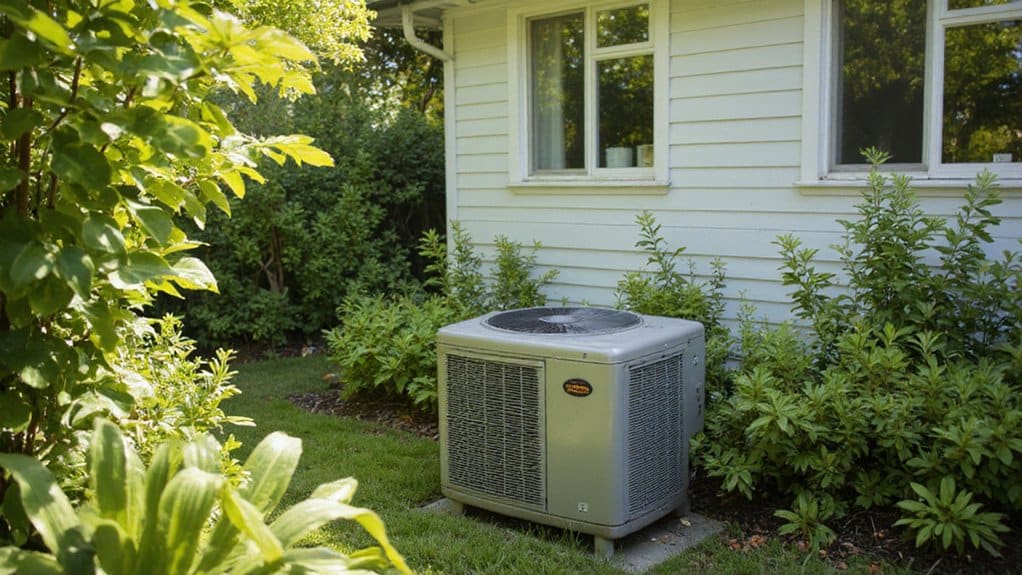
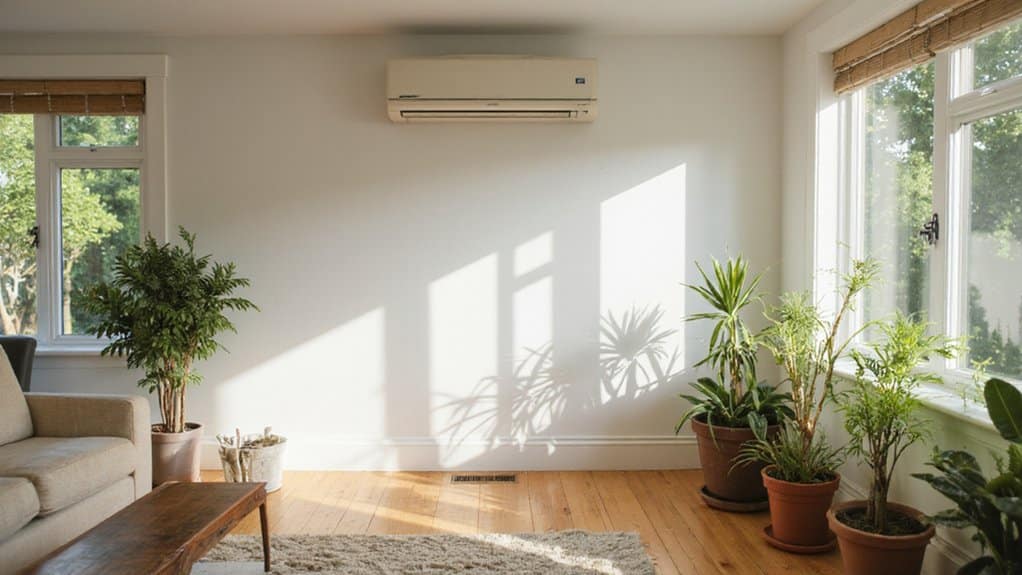
If you know the basics of how your AC works, it’s easier to keep it healthy. Most units on Vancouver Island fall into three categories: central air, split systems, or window units. They look different but do the same job.
Every AC has a compressor, condenser, evaporator coil, and refrigerant. The compressor pushes refrigerant through the system. The condenser dumps heat outside. The evaporator coil pulls heat out of your indoor air. If any one of these parts struggles, the whole system does.
Schedule Regular Maintenance
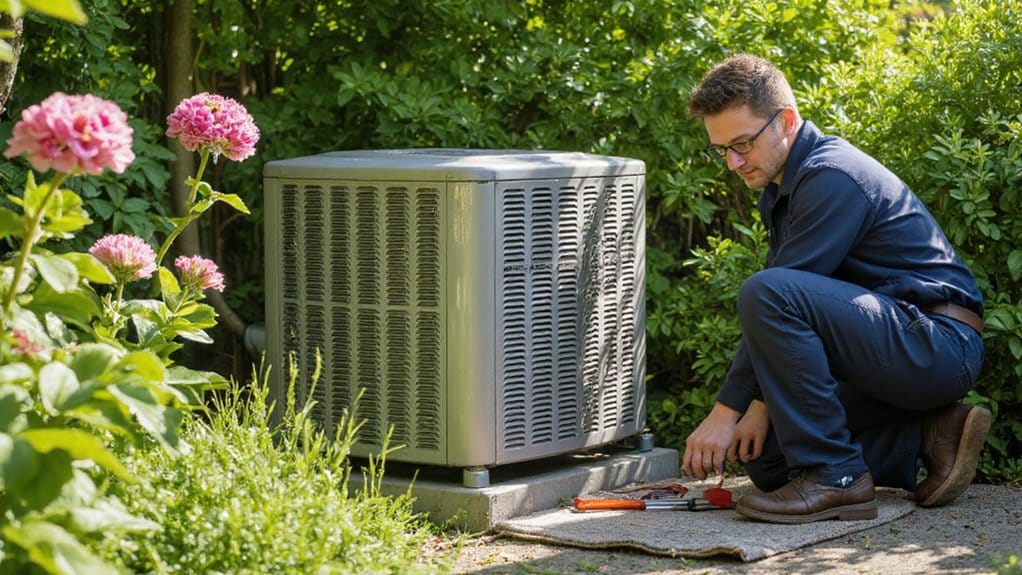
A lot of people forget about their AC until it stops cooling. That’s usually when repairs get expensive. Booking a tune-up once a year keeps things running better and longer.
A technician will clean the coils, check refrigerant levels, and make sure nothing is wearing out. That alone prevents most summertime emergencies.
Filters matter just as much. Change yours every one to three months. If you have pets or allergies, change it more often. A clogged filter makes your AC work harder, burns more electricity, and beats up the system.
Optimize Your Thermostat Settings
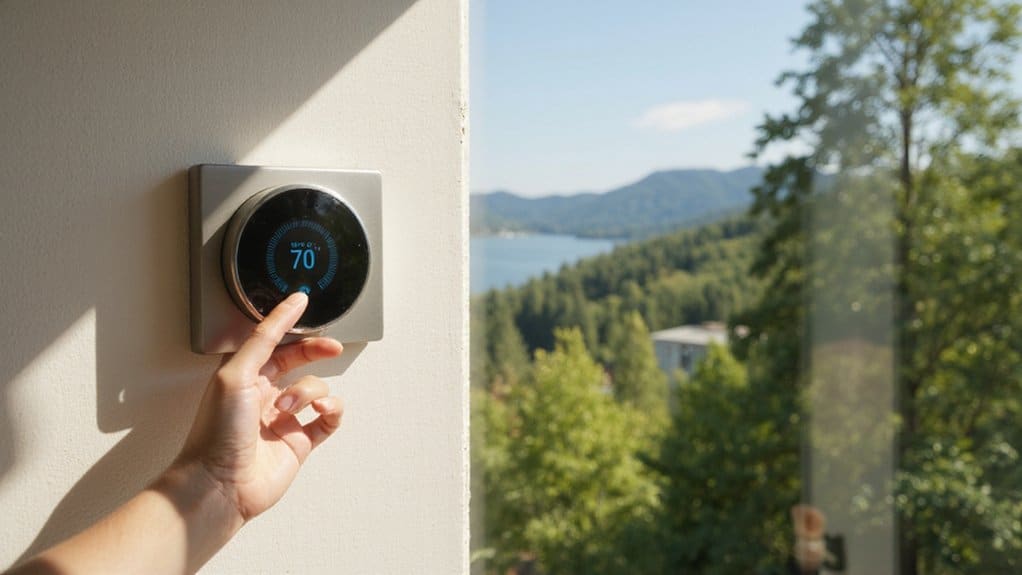
You don’t need your AC blasting cold air when no one’s home. Raising the temperature while you’re away and lowering it before you return makes a big difference.
A programmable or smart thermostat helps because it remembers your schedule. Some even learn your habits automatically. Small adjustments can cut energy use without making your home uncomfortable.
Keep Your Home Sealed and Insulated
Cool air escaping your house is the same as money escaping your wallet. Before you crank the AC all summer, make sure it isn’t pouring out of cracks and gaps.
Seal Air Leaks
Windows, doors, and ductwork are the usual suspects. Caulk and weatherstripping take care of most leaks. Even outlets and plumbing openings can leak air. An easy trick is holding a stick of incense near edges and watching the smoke. If it moves sideways, you’ve found a leak.
Insulate Your Home
Once you stop air leaks, insulation keeps the cool air inside. Fiberglass, foam board, or spray foam all work well. Focus on attics, exterior walls, and floors. No insulation should be sagging or missing sections. If your house gets hotter upstairs, adding insulation there can make a surprisingly big difference.
Use Fans to Help Your AC
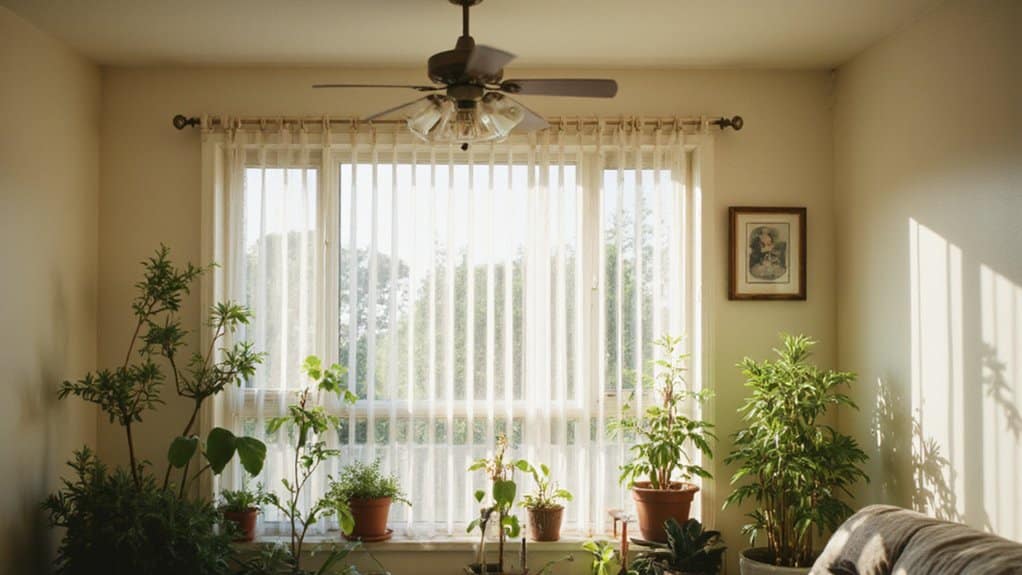
Fans don’t cool the air, but they make the air feel cooler. When you use fans with your AC, the AC doesn’t have to work as hard.
Strategic Fan Placement
Box fans, pedestal fans, oscillating fans — they all help if you place them right. At night, set fans near windows to pull in cooler outdoor air. During the day, point fans toward the middle of the room instead of shoving them into corners where air gets trapped.
Ceiling Fans
Ceiling fans are the easiest win here. They move air evenly and let you bump the thermostat up a couple degrees without feeling warmer. In summer, make sure the fan spins counterclockwise so it pushes air down and creates a breeze.
Using Fans with AC
The combo works better than either one alone. Run your fans while the AC is cooling so that every room benefits from the cool air. Just remember to keep your AC filter clean or you’ll lose airflow no matter how many fans you turn on.
Block Out Direct Sunlight
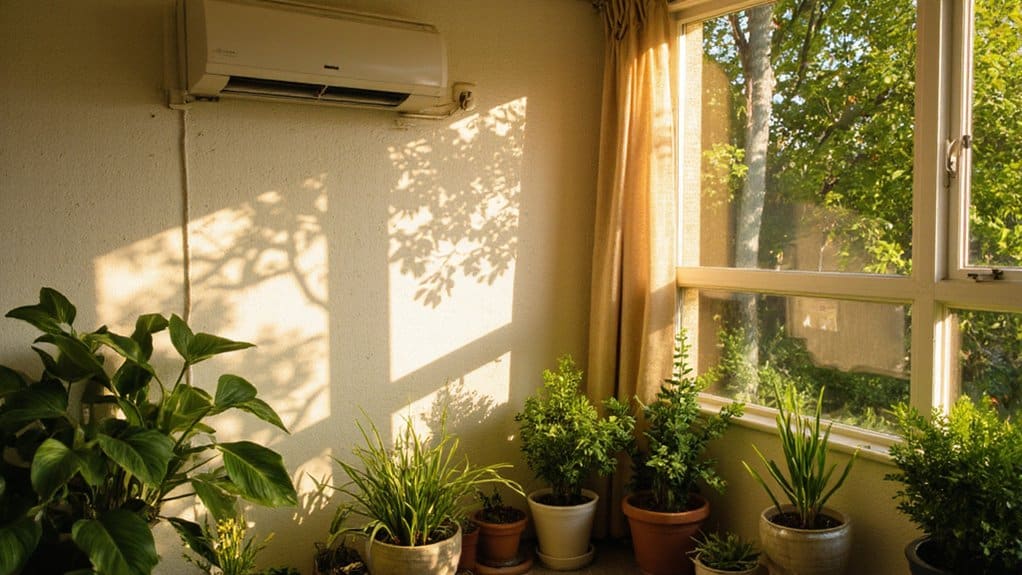
Sunlight heats rooms fast, especially during long summer afternoons. The AC then has to battle that heat nonstop.
Blackout curtains, blinds, or shades cut a lot of that heat before it becomes a problem. If your home gets heavy afternoon sun, outdoor shading like awnings or pergolas helps even more. Less sunlight equals less work for your AC.
Change Air Filters Regularly
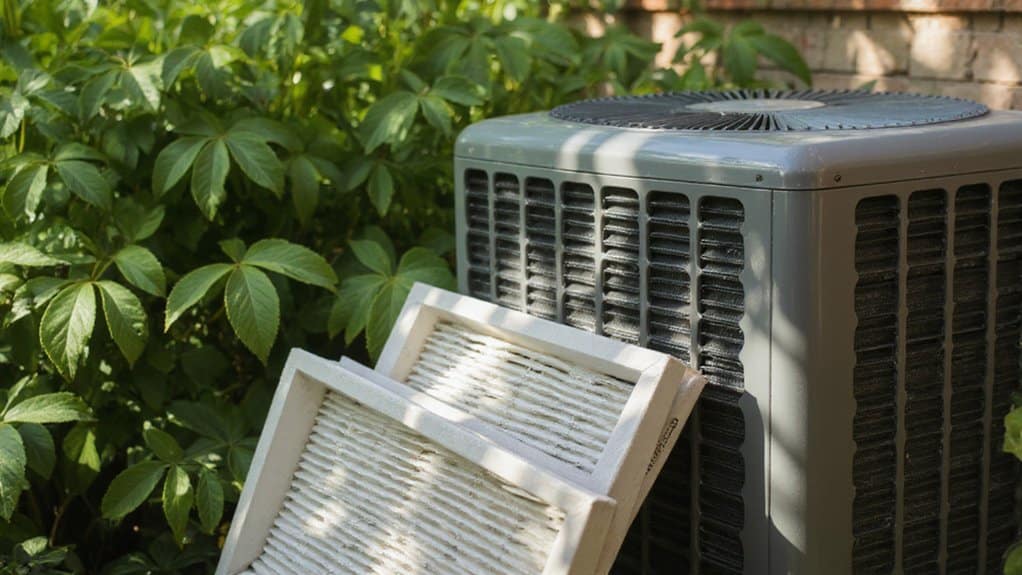
Filters collect dust, pet hair, and everything floating around inside your home. The dirtier they get, the harder air has to push through them, which forces the AC to work overtime.
Swap your filter every one to three months. People with pets or allergies usually need faster changes. A clean filter not only keeps the airflow strong but also improves indoor air quality.
Consider Energy-Efficient Alternatives
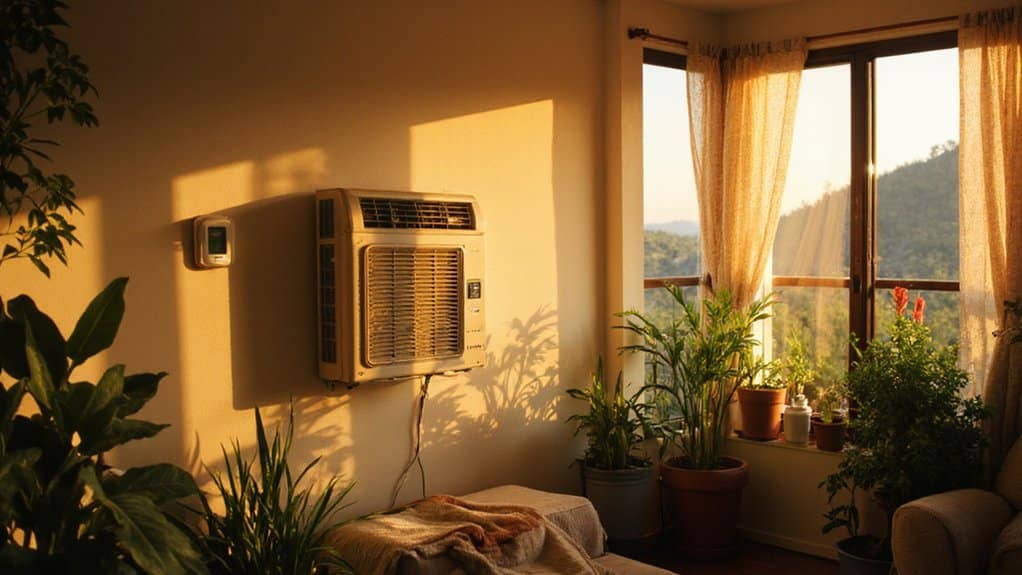
If you want to lower energy costs even more, there are upgrades worth thinking about. Solar panels can power your AC during the hottest hours of the day, which is when electricity is most expensive. An energy audit can also show where you’re losing the most cooling so you can fix the worst trouble spots first.
Monitor Your Energy Usage
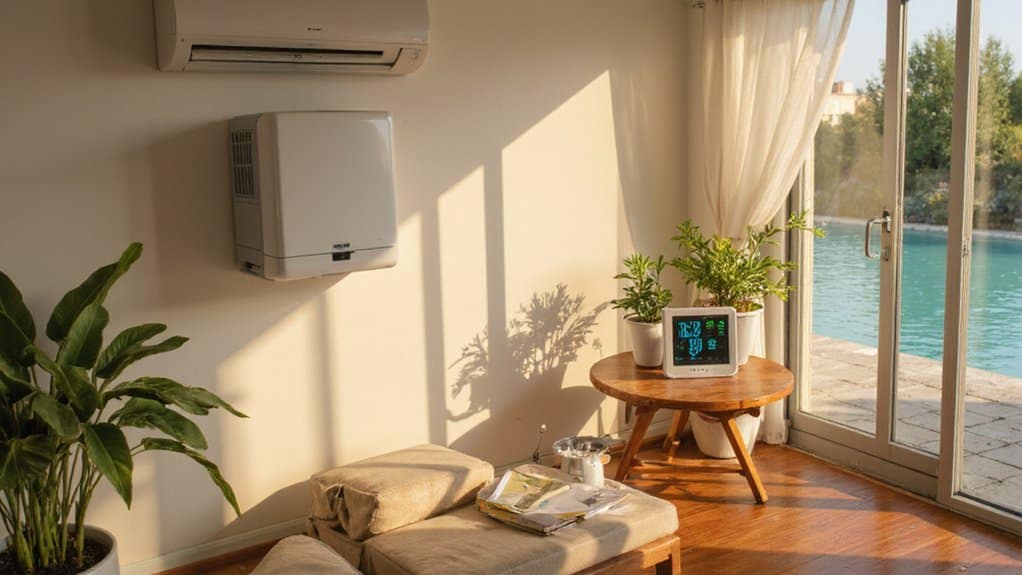
You don’t need to guess how much electricity your AC is eating. Smart thermostats and energy-tracking tools show real-time usage, so you can spot unusual spikes fast. A sudden jump in your power bill usually means something in the system needs attention.
Frequently Asked Questions
How often should I replace my air conditioning unit?
Most AC units last ten to fifteen years. If repairs are becoming constant or the system struggles to cool your home, it may be time to replace it.
What are the signs my AC needs repair?
Bad smells, rattling or grinding noises, weak airflow, or rooms cooling unevenly are all red flags. Don’t wait. What starts small can turn expensive fast.
Can I install an AC unit myself?
Some window units are easy to install. Full systems are not. If the job involves wiring, refrigerant, or ductwork, let a pro handle it.
What is the average lifespan of an AC system?
Around fifteen to twenty years with good maintenance. Poor maintenance can cut that life span in half.
How can I reduce AC noise levels?
Sound panels, better insulation, and vibration-absorbing pads help. If the noise suddenly gets worse, that’s usually a mechanical problem and should be checked.
Final Thoughts
Staying cool on Vancouver Island doesn’t have to mean running your AC nonstop. A little maintenance, good thermostat habits, sealed leaks, and smart fan use can take a lot of stress off the system. The cooler your home stays naturally, the less your AC has to fight the heat. And the less it has to fight, the more money you keep in your pocket.