


When an air conditioner freezes up, it usually happens at the worst possible time. One minute the system is running, the next there is warm air coming from the vents or no airflow at all. Ice on an AC unit is more than an inconvenience. It is a warning sign that something inside the system is not working the way it should.
A frozen air conditioner can strain parts, raise energy bills, and shorten the life of the unit. The good news is that most freeze ups have clear causes. Many of them are preventable with basic care and early attention. This guide breaks down why freezing happens, what signs to watch for, and how to stop it from coming back.
What causes an air conditioner to freeze up?
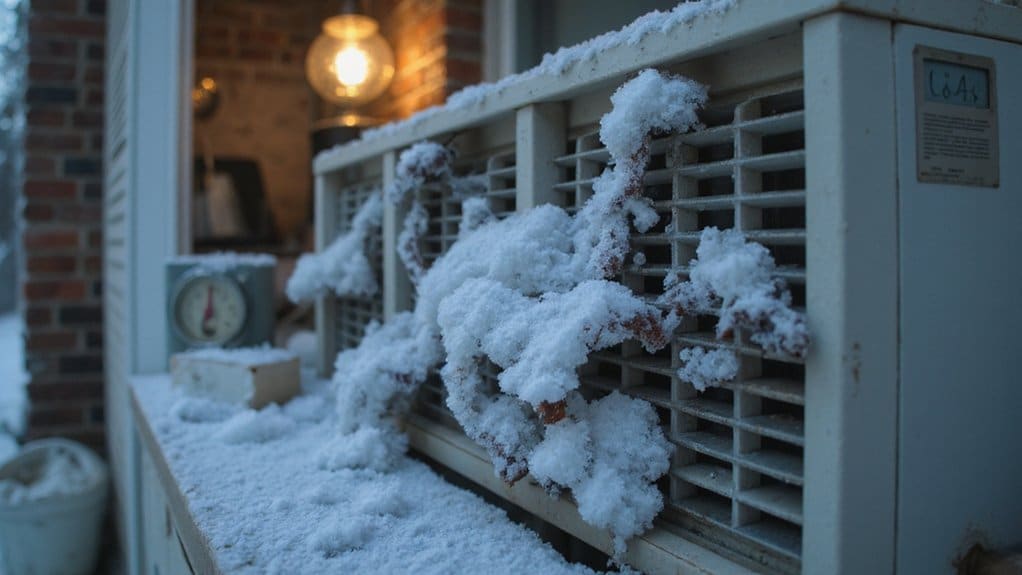
An air conditioner freezes when the evaporator coil gets too cold and moisture in the air turns into ice. Under normal conditions, warm air flows over the coil and keeps its temperature balanced. When airflow drops or refrigerant pressure changes, that balance is lost.
Several common issues can trigger this problem. Dirty filters, blocked vents, low refrigerant, and thermostat issues all play a role. In many homes, more than one of these issues happens at the same time, which makes freezing more likely.
Understanding each cause helps you fix the root problem instead of just treating the ice.
Common causes of air conditioner freeze ups and how they are fixed
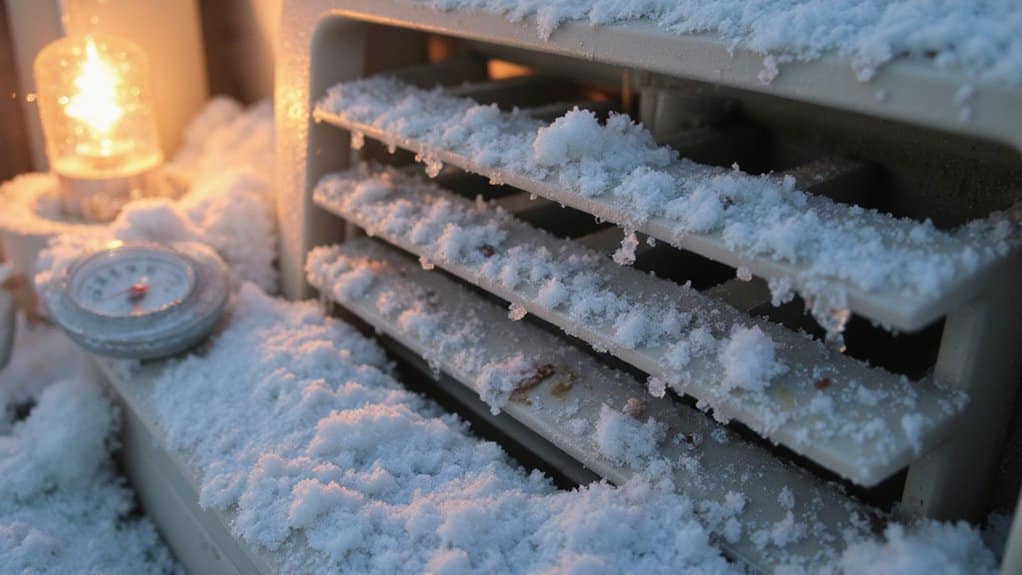
Restricted airflow is the most frequent cause of freezing. When air cannot move freely across the evaporator coil, the coil temperature drops too low. Moisture freezes and ice builds layer by layer.
Low refrigerant is another major factor. Refrigerant helps absorb heat. When levels drop due to leaks, pressure inside the system changes. This causes the coil to become colder than intended, which leads to ice.
Thermostat problems can also contribute. A thermostat that misreads indoor temperature may keep the system running longer than needed. Over time, that constant operation lowers coil temperature and encourages ice formation.
Each of these issues has a clear solution. Filters need cleaning or replacement. Refrigerant leaks need professional repair. Thermostats need calibration or replacement.
Signs your air conditioner is frozen

A frozen air conditioner does not always announce itself with visible ice right away. Often, smaller signs show up first. Spotting them early can prevent larger damage.
Ice buildup on the coils
Ice on the indoor coil or refrigerant lines is the most obvious sign. You may see frost through the access panel or notice ice forming on the copper lines near the indoor unit.
This happens when airflow drops or refrigerant pressure is off balance. Ice prevents heat absorption, which means cooling performance drops fast. Running the system in this state can stress the compressor.
Reduced airflow from vents
Weak airflow from vents often points to ice inside the system. As ice builds on the coil, air has less space to pass through. Rooms may feel warm even though the system is running nonstop.
Check vents for blockages and listen for changes in airflow. A sudden drop usually signals a deeper issue that needs attention.
Quick fixes when your AC freezes

When you notice freezing, the first step is to turn the system off. This protects the compressor and allows the ice to melt. Running a frozen unit can cause serious damage.
After shutting it down, switch the fan setting to “on” if possible. This helps speed up thawing. Avoid using sharp tools to remove ice, since that can damage coils.
Once thawed, check the air filter. If it looks dirty, replace it before restarting the system. Also inspect vents and remove any visible obstructions.
If the unit freezes again after these steps, the issue likely goes beyond a simple airflow problem.
Low refrigerant levels and AC freezing

Refrigerant plays a central role in cooling. It absorbs heat from indoor air and releases it outside. When refrigerant levels drop, the system cannot regulate temperature properly.
Leaks are the usual cause. Even a small leak changes pressure inside the system. This pressure drop makes the evaporator coil colder than intended, which leads to ice forming on its surface.
Signs of low refrigerant include poor cooling, longer run times, and repeated freezing. Adding refrigerant without fixing the leak only masks the problem for a short time.
A licensed technician should always handle refrigerant work. They can locate leaks, seal them, and recharge the system correctly.
Why dirty air filters lead to freezing

Air filters catch dust, pet hair, and debris before they reach the system. Over time, filters fill up and restrict airflow. When airflow drops, the evaporator coil cannot absorb enough heat.
As the coil temperature falls, moisture in the air freezes on contact. Ice builds slowly and reduces airflow even more. This creates a cycle that leads to full freeze ups.
Most homes need filter checks every one to three months. Homes with pets or heavy system use may need more frequent changes. A clean filter is one of the simplest ways to prevent freezing.
Blocked vents and hidden airflow problems

Blocked vents are easy to miss. Furniture, rugs, or curtains can cover vents without being obvious. When vents are blocked, air cannot circulate properly through the system.
Poor air circulation inside the home
Poor circulation forces the system to work harder to move air. This extra strain lowers coil temperature and raises the risk of ice. Dust buildup inside ducts can worsen the problem over time.
Checking that vents are open and unobstructed is a simple step that often gets overlooked.
How insufficient airflow affects the system
When airflow drops, the evaporator coil gets colder with each cycle. Fan issues can make this worse. A fan that runs too slowly or unevenly cannot push enough air across the coil.
Over time, ice forms and cooling output drops. Rooms feel warmer while the system runs longer, which increases wear on parts.
The role of regular upkeep
Routine care helps catch airflow issues early. Clearing vents, replacing filters, and checking fan operation all support steady airflow. These small tasks reduce the chance of ice forming during heavy use.
How faulty thermostats contribute to freezing

A thermostat controls when the system turns on and off. When it fails to read temperature correctly, it can keep the system running longer than needed.
Misreading indoor temperature causes extended cooling cycles. As the system runs without enough breaks, coil temperature drops and ice can form.
Sensor issues inside the thermostat can also cause short cycling or nonstop operation. If room temperature does not match the thermostat reading, calibration may be needed.
Replacing an outdated or faulty thermostat can stop repeated freeze ups caused by control problems.
Humidity and its effect on AC performance

Humidity adds moisture to the air. When humidity levels rise, the air conditioner must remove more moisture as it cools. This extra moisture can overwhelm the system.
Excess moisture can freeze on a cold coil, especially when airflow is already limited. Ice buildup then blocks airflow and lowers cooling output.
Managing indoor moisture helps prevent this issue. Using exhaust fans, sealing air leaks, and running a dehumidifier during humid months can ease the load on the system.
Preventive maintenance tips for avoiding freeze ups

Preventing freezing is easier than dealing with repairs. Simple habits make a real difference over time.
Replace air filters on a schedule
Check filters regularly and replace them before they become clogged. Follow the system manufacturer’s guidance and adjust based on usage and indoor conditions.
Schedule routine system inspections
Annual inspections help catch refrigerant issues, airflow problems, and worn parts early. A technician can spot problems that are easy to miss during everyday use.
Regular inspections also help the system run smoothly during peak cooling months.
When to call a professional
Some freeze ups can be handled with basic checks. Others need professional attention. Call a technician if freezing returns after filter changes and vent checks.
Unusual noises, uneven cooling, or frequent shutdowns also signal deeper issues. Refrigerant leaks, electrical faults, and fan problems should never be handled without training.
Early service often costs less than emergency repairs later.
Frequently asked questions
Can freezing damage an air conditioner permanently?
Yes. Repeated freezing can strain the compressor and damage coils. Addressing the cause early reduces the risk of long term damage.
How often should AC coils be cleaned?
Coils should be checked once a year. Homes with heavy use or dusty conditions may need more frequent cleaning.
What thermostat setting works best in summer?
Most homes stay comfortable between 75 and 78 degrees Fahrenheit. This range supports steady cooling without overworking the system.
Can pets cause freezing problems?
Pet hair can clog filters faster, which reduces airflow. More frequent filter changes help prevent this issue.
Are some brands more likely to freeze?
Freezing usually comes from maintenance and installation factors rather than brand alone. Proper care matters more than the name on the unit.
Final thoughts
A frozen air conditioner is a sign that something needs attention. Dirty filters, blocked airflow, refrigerant leaks, and control issues are the most common causes. Staying aware of early warning signs helps you act before the problem grows.
Simple care steps, combined with regular inspections, keep your system running smoothly through the hottest months.