

If your air conditioning system smells bad, there’s usually a reason for it. A musty odor may point to mold or mildew, while a dirty filter can leave your home smelling stale.. Some smells, such as burning or chemical odors, can point to issues that need prompt attention.
The good news is that many AC odors have clear causes. Once you identify the type of smell, you can narrow down what may be happening and decide whether it’s something you can check yourself or a job for a professional.
Key Takeaways
- Musty AC odors can come from mold, mildew, moisture, or stagnant air inside the system.
- Dirty air filters can restrict airflow and contribute to unpleasant smells.
- Burning odors may point to an electrical or mechanical problem and should not be ignored.
- Chemical smells can be linked to refrigerant or other system issues that need professional attention.
- Strange odors that continue after basic cleaning may indicate a problem inside the AC or ductwork.
- Regular filter changes, cleaning, drainage checks, and routine AC maintenance can help prevent many common odors.
Identifying Common AC Odors and Their Meanings
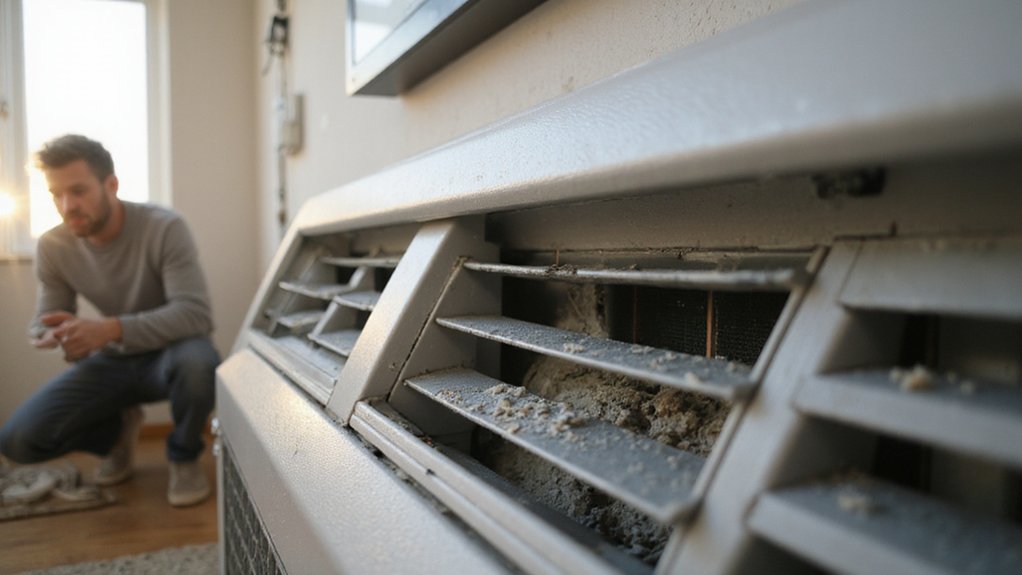
When an unusual smell comes from your air conditioning system, don’t ignore it. The type of odor can give you a useful clue about what may be happening inside the unit, filter, drain system, or ductwork.
A musty smell is often associated with moisture, mold, mildew, or a dirty filter. Dust and debris can also collect inside parts of the system and affect the smell of the air moving through your home.
Start by checking the air filter. If it looks dirty or clogged, replacing it may help. You can also look around vents and accessible areas of the indoor unit for dust, moisture, or visible signs of buildup.
Humidity is another factor to consider. When moisture remains inside an AC system, it can create conditions where mold and mildew grow. A recurring smell may mean that cleaning the filter isn’t enough and that another part of the system needs to be inspected.
The smell itself won’t always tell you exactly what is wrong, but it can help you decide where to start.
Mold and Mildew: The Hidden Culprits
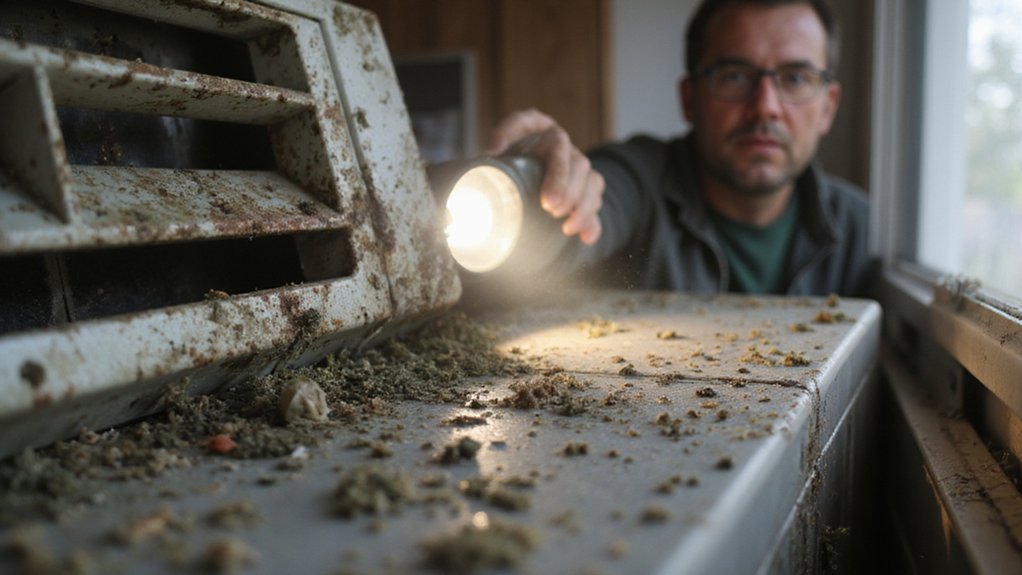
A musty smell coming from your AC is one of the more common signs of excess moisture, mold, or mildew.
Air conditioners remove moisture from indoor air as they cool your home. When water doesn’t drain properly or moisture remains in parts of the system, damp areas can develop. Dust and other debris can make the problem worse.
Signs of Mold Growth
A musty odor is often the first thing homeowners notice. You may smell it when the AC starts running or notice that the odor becomes stronger as air moves through the vents.
Visible dark spots or discoloration around vents, accessible AC components, or other damp areas can also be a warning sign. A dirty filter may contain dust and moisture, which can add to the problem.
Indoor humidity matters, too. If your home feels unusually damp, moisture may be contributing to the odor. Condensation around the indoor unit or signs of standing water can also point to a drainage issue.
If you suspect mold inside areas that you cannot safely reach or clean, avoid taking the system apart yourself. A qualified AC professional can inspect the unit and determine where the moisture is coming from.
Prevention and Maintenance Tips
Keeping moisture under control is one of the better ways to reduce the chance of mold and mildew inside an AC system.
Check the air filter regularly and replace it when it becomes dirty. The right replacement schedule depends on the filter type, household conditions, and how often the AC runs.
The condensate drain also deserves attention. Air conditioners collect moisture during normal operation, and that water needs somewhere to go. A blocked drain can allow water to back up and create damp conditions.
Keep the area around the indoor and outdoor units clean and free from unnecessary debris. Regular AC service can also help spot drainage, airflow, and moisture problems before they become harder to deal with.
If your home has high indoor humidity, a dehumidifier may help reduce excess moisture. Keeping humidity at a comfortable level can also make the home feel cooler.
Is Your AC Acting Up? Signs of Electrical Issues?
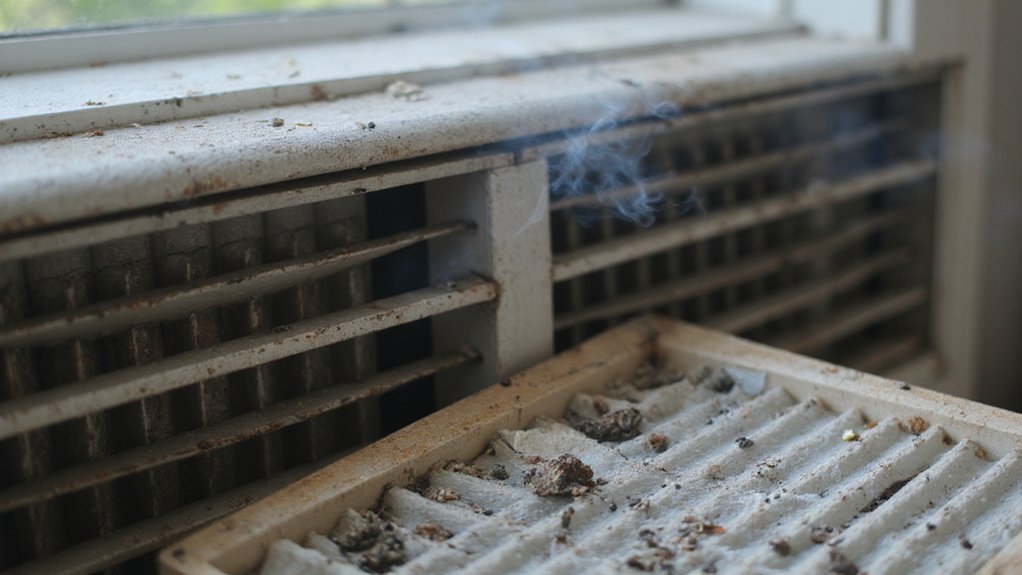
Not every AC odor comes from dirt or moisture. A burning smell can be more concerning because it may involve an electrical or mechanical component.
You may also notice other warning signs, such as flickering lights, unusual sounds, or a circuit breaker that trips when the AC runs.
These signs should not be brushed aside. Electrical problems can create safety risks and may damage the system if the AC continues to operate with a faulty component.
Flickering or Dimming Lights
If your lights flicker or dim when the AC starts, pay attention to when it happens and how often.
An air conditioner can draw a large amount of power when starting. A brief change in brightness may occur in some homes, but repeated or noticeable flickering can point to an electrical issue that needs checking.
Look at the circuit breaker for signs of repeated trips or other problems, but don’t attempt electrical repairs yourself. Damaged wiring, loose connections, and faulty components can be dangerous to handle without the right training.
If the flickering continues, turn off the system and contact a qualified professional who can inspect the electrical components and wiring.
Unusual Noises or Sounds
Your AC can make some normal operating sounds, but a sudden change in noise deserves attention.
Rattling or unusual vibration may come from a loose component. A grinding sound can point to a worn mechanical part. Hissing can sometimes be associated with refrigerant escaping from the system.
The sound alone doesn’t confirm the cause, so avoid guessing or taking the unit apart to investigate.
If an unusual noise comes with a strange smell, poor cooling, or other changes in operation, turn the system off and arrange for an inspection.
If you have a heat pump rather than a traditional AC system and notice unusual smells, noises, or cooling problems, heat pump repair may be needed.
Frequent Circuit Breaker Trips
An AC that repeatedly trips the circuit breaker needs attention.
The breaker may trip because the system is drawing more electrical current than it should. A dirty filter can contribute to system strain, but other causes can include a faulty capacitor, compressor trouble, wiring problems, or another electrical fault.
You can check whether the air filter is dirty, but don’t repeatedly reset the breaker and keep running the AC. If it trips again, leave the system off and have the problem checked.
Repeated breaker trips are a warning sign, not a routine part of AC operation.
How Dirty Air Filters Impact Your AC’s Performance
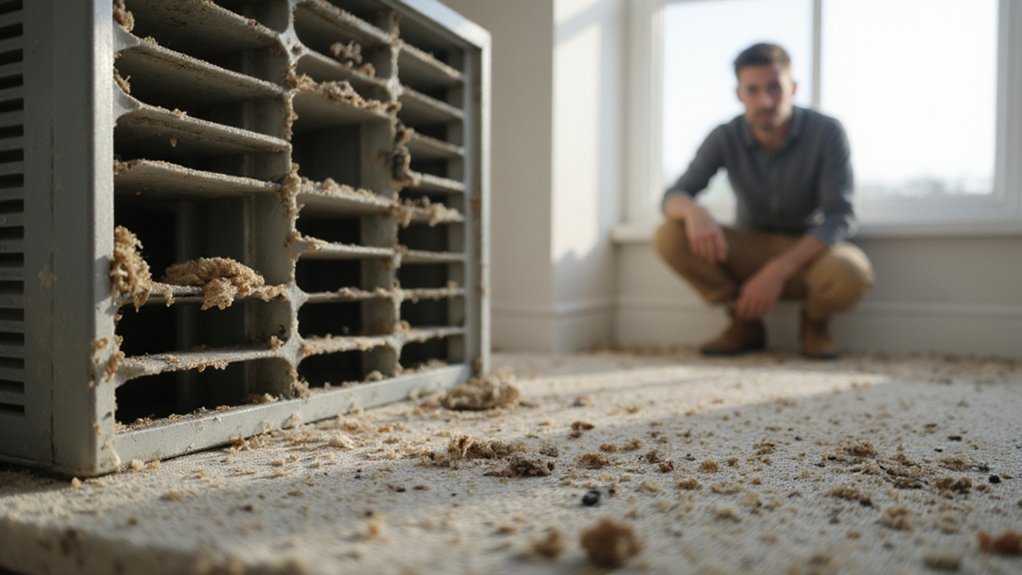
A dirty air filter is one of the simplest things to check when your AC starts smelling bad.
The filter catches dust, hair, pet dander, and other particles before air moves through the system. Over time, those particles build up. A heavily clogged filter can restrict airflow and make the AC work harder to cool your home.
Reduced airflow can also contribute to stale or musty odors. When air doesn’t move properly through the system, the unit may not cool the home as it normally does.
Check your filter regularly. Many filters need to be replaced every 1 to 3 months, although the right schedule depends on the filter, household conditions, pets, and how often the AC operates.
If the filter is visibly dirty, replacing it is a simple place to start. If the odor remains after the filter has been changed, the source may be somewhere else in the system.
Refrigerant Leaks: Recognizing the Warning Signs
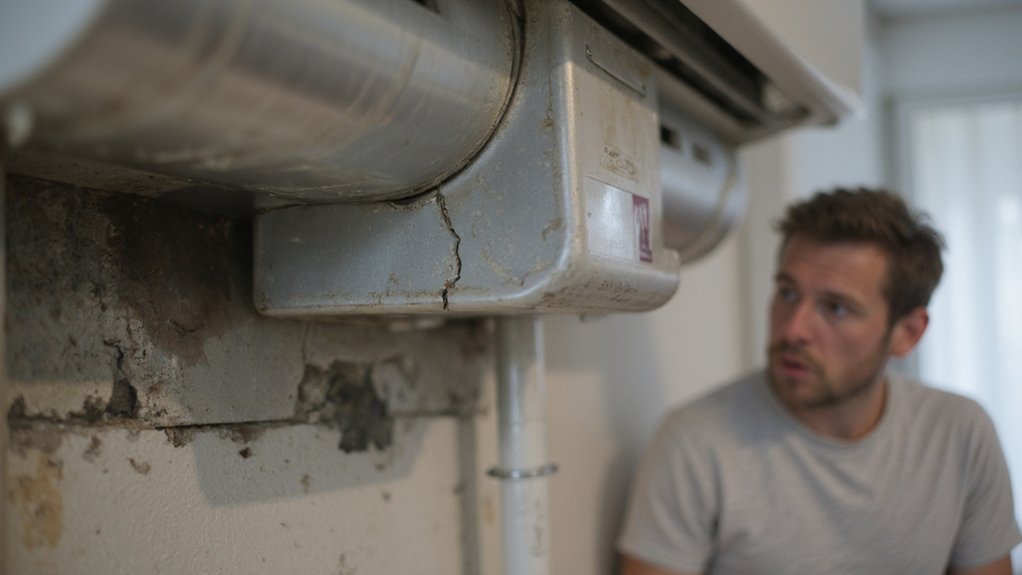
Refrigerant problems can affect how well your AC cools and may cause other unusual symptoms.
A system with a refrigerant leak may struggle to reach the temperature set on the thermostat. You might also notice ice forming on the evaporator coil or refrigerant lines.
Hissing or bubbling sounds can sometimes occur when refrigerant escapes through a leak. Some refrigerants or materials associated with an AC system may also produce an unusual chemical smell, although odor alone is not enough to confirm a refrigerant leak.
If you suspect a leak, don’t try to open the system or handle refrigerant yourself. Refrigerant service requires specialized equipment and proper handling.
A qualified AC technician can inspect the system, locate the leak, and determine what repair is needed. Simply adding refrigerant without finding the source of the leak won’t address the underlying problem.
Ductwork Odors: What to Look For
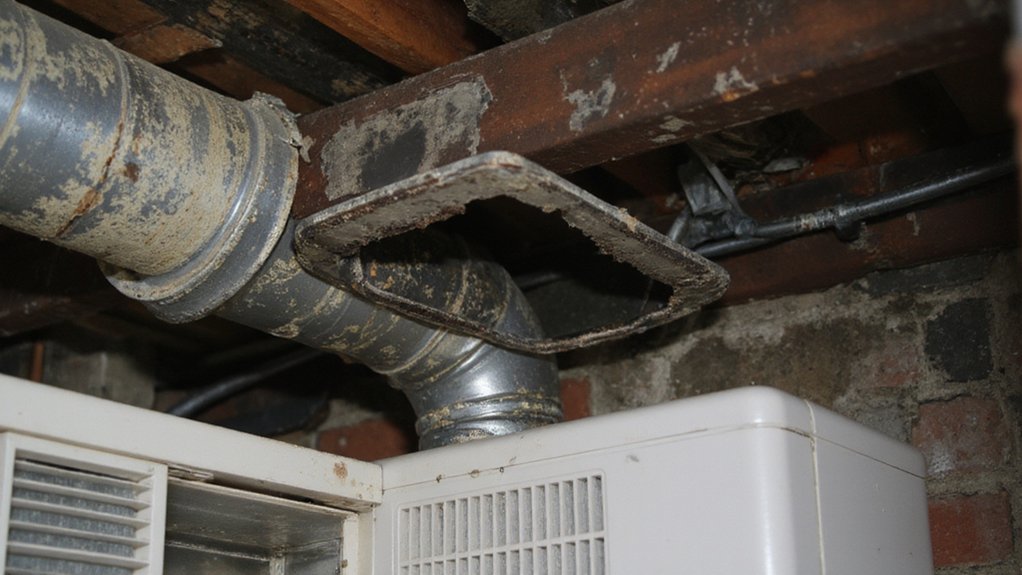
Sometimes the AC itself isn’t the source of a bad smell. The odor may be coming from the ductwork instead.
Dust can collect inside ducts over time, especially when filters haven’t been changed regularly. Moisture can also create conditions where mold or mildew develops.
If you notice a musty smell coming from several vents, ductwork may be worth checking. Look for visible signs of moisture, dust buildup, or other contamination around accessible areas.
Animals can also create unpleasant odors. Rodents or other pests may enter parts of a duct system, leaving behind droppings, nesting material, or other debris.
A chemical smell should also be taken seriously. It may come from an issue with the AC system or another source inside the home. If you cannot identify the source, professional inspection can help narrow it down.
Improve Your AC’s Air Quality: Practical Steps
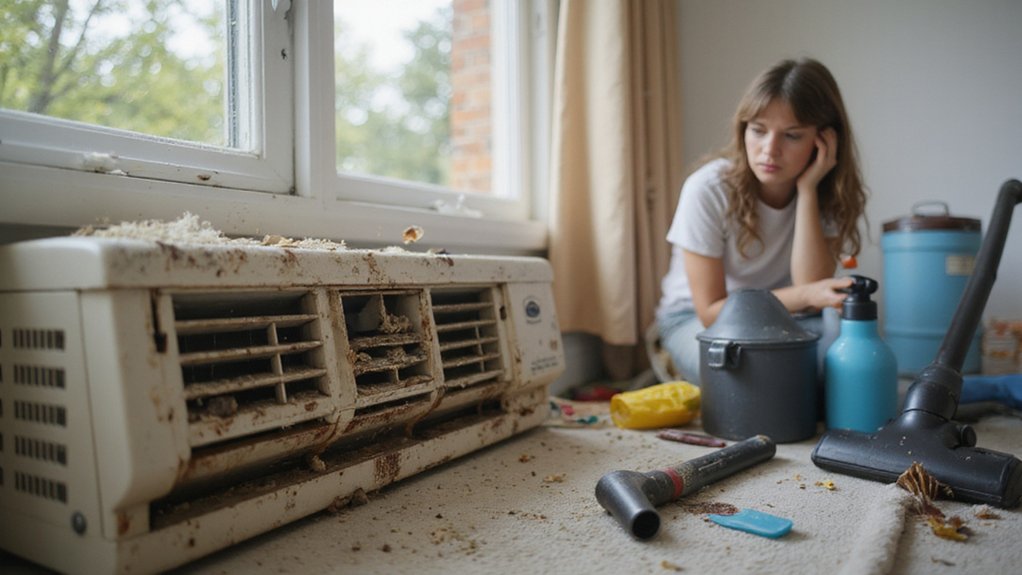
Getting rid of a bad smell is only part of keeping the air in your home clean and comfortable.
Start with the basics. Replace dirty filters on schedule and keep the areas around your indoor and outdoor AC units free from dust and debris.
Humidity control can also make a difference. Keeping indoor humidity around 30% to 50% can help limit conditions that encourage mold and mildew. A dehumidifier may be useful if your home stays too humid.
If you have concerns about dust or particles in the air, you may also consider an air cleaner or a suitable filtration system. Make sure any filter you choose is compatible with your AC system and doesn’t restrict airflow.
Ductwork should also be inspected when there is a persistent odor, especially if the smell comes from multiple vents.
Regular AC service gives a professional an opportunity to check components, drainage, airflow, and other parts of the system. This can help catch problems before they turn into larger repairs.
Troubleshooting Tips Before Calling a Professional
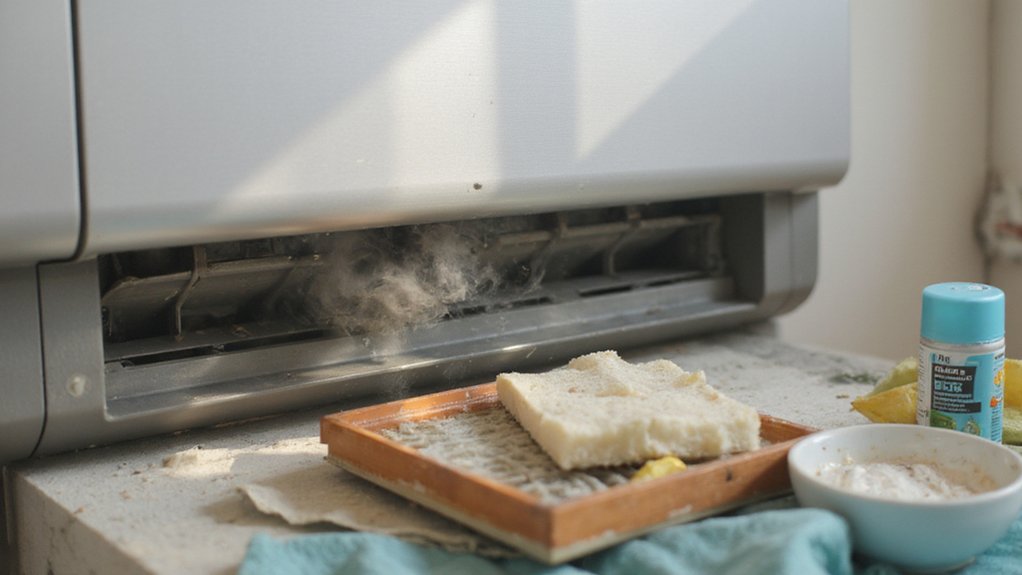
Before calling an AC professional, there are a few simple checks you can make safely.
Start with the thermostat. Make sure it’s set to cooling mode and that the temperature is set below the current indoor temperature.
Next, check the air filter. If it’s clogged with dust or debris, replace it with the correct filter for your system.
Take a look around the outdoor unit. Leaves, grass, dirt, and other debris should not block the unit. Keep the surrounding area clear so air can move freely.
You can also pay attention to what happens when the AC runs. Does the smell appear immediately, or does it develop after the system has been running for a while? Does the system make a new sound? Is the home cooling normally?
These details can help a technician identify the source of the problem.
If you notice a burning smell, repeated breaker trips, smoke, sparking, or another serious warning sign, turn off the AC and seek professional help rather than continuing to troubleshoot it yourself.
Frequently Asked Questions
Can Bad AC Smells Affect My Health?
Some AC odors can be linked to conditions that may affect indoor air quality. Mold and mildew can be a concern for people who are sensitive to them. Chemical or burning smells may also signal a problem that should be investigated.
If an odor is strong, persistent, or accompanied by breathing discomfort or other symptoms, move away from the source and have the problem checked.
How Often Should I Change My Air Filters?
Many homeowners replace their AC filters every 1 to 3 months. The right schedule depends on the filter type and conditions inside the home.
Homes with pets, frequent AC use, or higher levels of dust may need more frequent filter changes. Checking the filter once a month is a simple way to see whether it needs attention.
Is It Normal for My AC to Smell When Starting?
A brief smell when an AC starts may come from dust that has collected inside the system, especially after it hasn’t been used for a while.
A persistent or strong odor isn’t something to ignore. Musty, burning, chemical, or rotten smells can point to different problems and may need further inspection.
Can Pets Contribute to Unpleasant AC Odors?
Yes. Pet hair and dander can collect around filters, vents, and other parts of the HVAC system. Over time, that buildup can contribute to stale odors.
Changing filters regularly and keeping vents and accessible areas clean can help. If the smell continues, there may be another source inside the system or ductwork.
What Should I Do if the Smell Persists?
If changing the filter and checking the accessible areas doesn’t solve the problem, don’t keep masking the odor with air fresheners.
Try to identify when the smell appears and whether it changes when the AC turns on or off. Check for visible moisture or other obvious signs around the system.
If the odor continues, especially if it’s burning, chemical, or unusually strong, turn off the AC and contact a qualified professional. A proper inspection can identify the source and determine what needs to be repaired or cleaned.
Conclusion
A bad smell from your AC is usually a sign that something needs attention. The cause may be as simple as a dirty filter, or it could involve moisture, mold, ductwork, electrical components, or another part of the system.
Start with the checks you can safely handle, such as inspecting the filter, thermostat, and area around the outdoor unit. Keep an eye out for moisture and unusual changes in how the system operates.
Some odors deserve faster attention than others. Burning smells, repeated circuit breaker trips, smoke, sparking, and suspected refrigerant problems are reasons to stop using the system and contact a qualified professional.
Regular filter changes, proper drainage, humidity control, and routine AC service can help reduce the chance of recurring odors. When a smell won’t go away, finding the source is more useful than simply trying to cover it up.
Change Notes
- Reworked the wording to sound more natural and conversational.
- Removed repetitive phrasing and stiff transitions.
- Varied sentence length and paragraph structure for easier reading.
- Kept the original blog title unchanged.
- Kept all JPG text exactly as provided.
- Did not add any images.
- Retained the original sections, FAQs, and main subject matter.
- Added practical explanations where the original wording felt repetitive or overly formal.
- Kept the tone informational and homeowner-focused.
- Removed wording that could make the article sound formulaic or machine-written.