

If you’re looking at energy solutions for your home on Vancouver Island, you’ve probably come across heat pumps. They’ve become a common option for homeowners who want to heat their homes in winter and cool them during warmer months.
One reason for their growing popularity is the way they use electricity to move heat instead of creating heat from scratch. That can mean less energy used for heating and cooling, depending on your home, existing system, and how the heat pump is operated.
Heat pumps can also provide both heating and cooling from the same system. For many households, that makes them a practical alternative to having separate equipment for different seasons.
There’s also the question of cost. Depending on the system you choose and the programs available when you install it, rebates and other financial incentives may help lower the initial expense.
Before making a decision, it helps to look at more than the purchase price. Your home’s size, insulation, current heating system, electrical setup, climate, maintenance needs, and available incentives can all affect whether a heat pump makes sense for you.
Key Takeaways
- Heat pumps can use less energy for heating and cooling than some conventional systems, which may help lower household energy costs.
- Rebates and other financial programs may reduce the initial cost of installing a heat pump.
- Using electricity to move heat can reduce emissions compared with some fossil-fuel heating systems, depending on the electricity source.
- A heat pump can provide both heating and cooling, giving homeowners one system for year-round indoor temperature control.
- Routine maintenance, including filter changes and outdoor-unit cleaning, helps keep the system operating properly.
- Choosing the right size and having the system installed correctly can make a noticeable difference in comfort and performance.
The Efficiency of Heat Pumps: How They Work
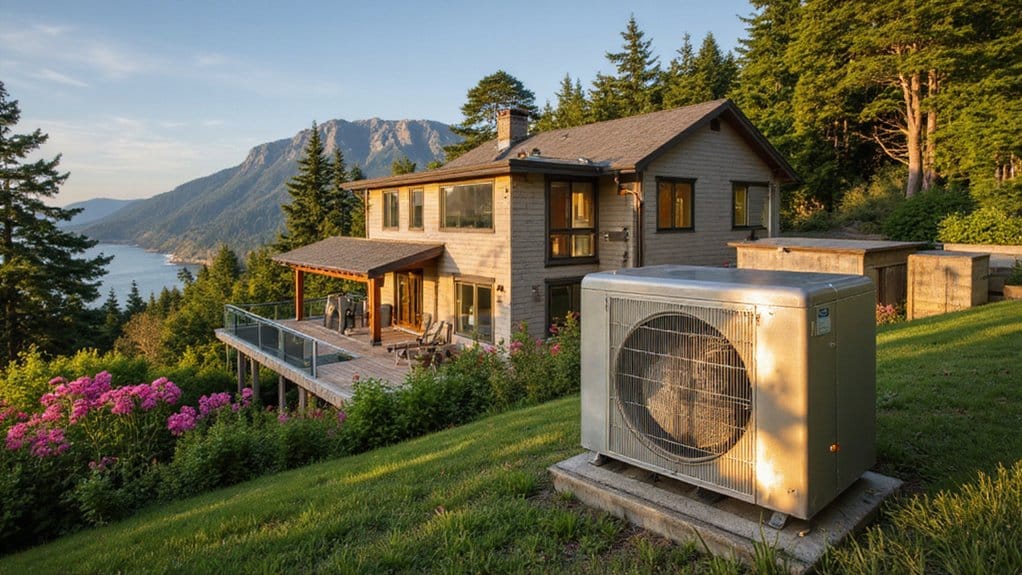
When you’re thinking about replacing or upgrading your home’s heating system, it helps to understand what a heat pump actually does.
A heat pump transfers heat from one place to another instead of producing heat through combustion or electric resistance. During colder weather, an air-source heat pump pulls heat from the outdoor air and moves it indoors. Even when the outdoor temperature feels cold, there is still some heat energy available in the air.
During warmer weather, the system can reverse the process. It removes heat from inside your home and releases it outdoors, which provides air conditioning.
That ability to work in both directions is one of the main reasons heat pumps appeal to homeowners. Rather than installing one system for heating and another for cooling, you can use one system for both jobs.
The amount of energy a heat pump uses depends on several factors. Outdoor temperature, system size, home insulation, thermostat settings, and the condition of the equipment can all affect performance.
It’s also worth looking at the ratings used for the particular system you’re considering. Heating and cooling performance can vary from one model to another, so comparing equipment based on the needs of your home is more useful than looking at a single number.
Cost Savings: How Switching Saves You Money and Benefits the Planet
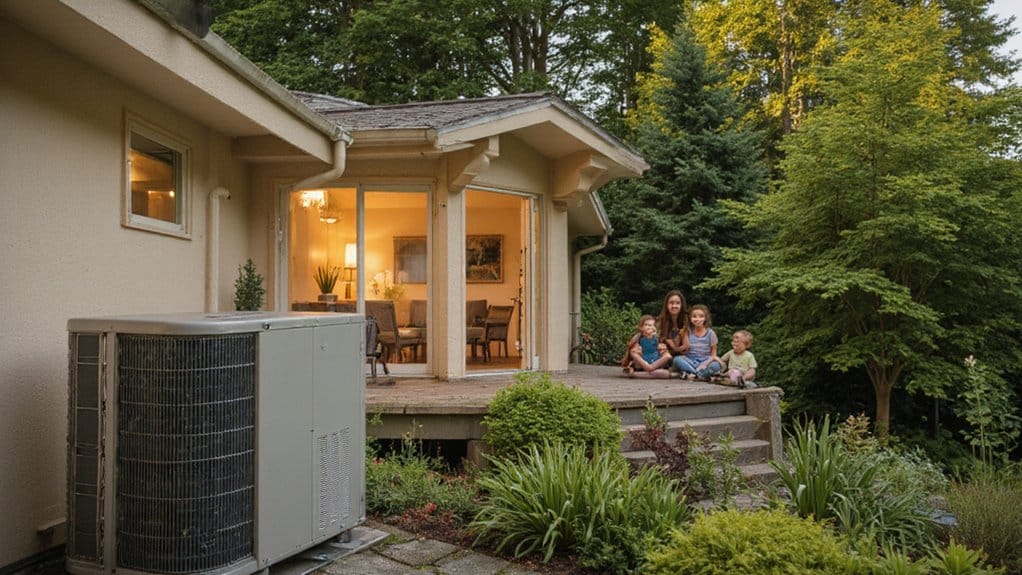
A heat pump can change how much energy your home uses for heating and cooling. The actual savings will depend on what you currently use, local energy rates, the condition of your home, and how often the system runs.
For a homeowner replacing an older heating system, the difference can be noticeable over time. Heat pumps move existing heat rather than creating it through combustion, which can allow them to provide heating with less electricity than some conventional electric heating systems.
There is still an upfront cost to consider. The price of equipment, installation, electrical work, ductwork changes, and other requirements can vary from one home to another.
Available rebates may help reduce that initial expense. Since programs can change, homeowners should check the current requirements before making a purchase or signing an installation agreement.
Operating costs matter, too. Looking at expected energy use alongside installation and maintenance costs can give you a clearer picture of what the system may cost over its useful life.
A heat pump may also be able to replace separate heating and cooling equipment. For some homes, that can reduce the amount of equipment taking up space and simplify seasonal temperature control.
Environmental Benefits of Heat Pumps: Reducing Your Carbon Footprint
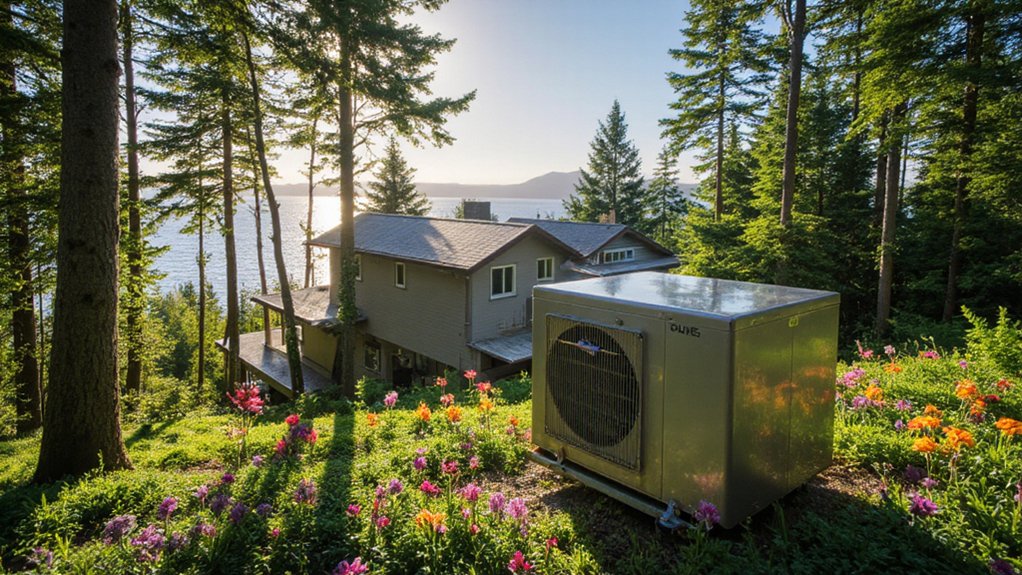
Heat pumps can also affect the environmental footprint of a home.
Instead of burning natural gas, oil, or another fuel to create heat, an electric heat pump uses electricity to transfer heat. That can reduce direct greenhouse gas emissions from home heating when compared with fossil-fuel systems.
The overall effect depends partly on where the electricity comes from. A home connected to a lower-carbon electricity grid will have a different emissions profile from one supplied mainly by fossil-fuel-generated electricity.
For homeowners interested in reducing household emissions, this is one reason heat pumps have received more attention.
There’s another benefit during warmer months. Because the same equipment can provide cooling, homeowners may not need to install a separate air-conditioning system.
That doesn’t mean every heat pump installation will automatically have the same environmental results. Equipment choice, operating habits, electricity use, and the existing heating system all matter.
Still, replacing a fossil-fuel heating system with an electric heat pump can be one way for a homeowner to reduce direct emissions from heating.
Versatility in Climate: Comfort for All Seasons
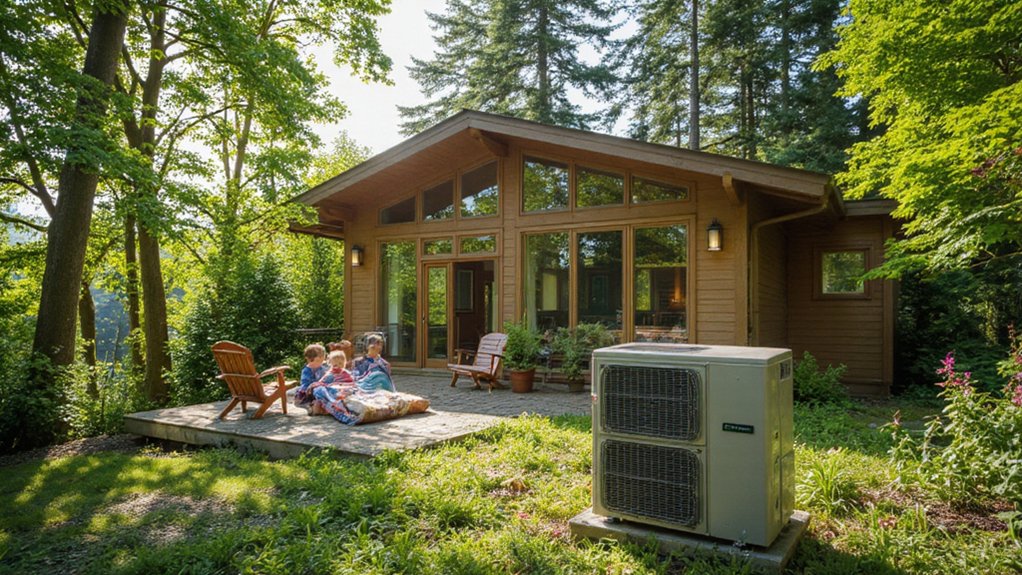
Vancouver Island has relatively mild winters compared with many parts of Canada, but temperatures still change throughout the year. Summer heat can also make cooling useful in many homes.
A heat pump can handle both sides of that equation.
During winter, it moves heat into the home. During summer, it reverses direction and removes heat from indoor spaces. That means the same equipment can help manage indoor temperatures throughout the year.
This can be useful for homeowners who want one system rather than separate heating and cooling equipment.
Comfort can also depend on how the system is sized and installed. A heat pump that is too large or too small for the home may not operate in the way you expect. Room layout, insulation, windows, and existing ductwork can all play a role.
If you’re replacing an older system, it’s worth having the home assessed before choosing equipment. A proper assessment can help determine what type and size of heat pump is appropriate.
Government Incentives: Making Heat Pumps More Accessible
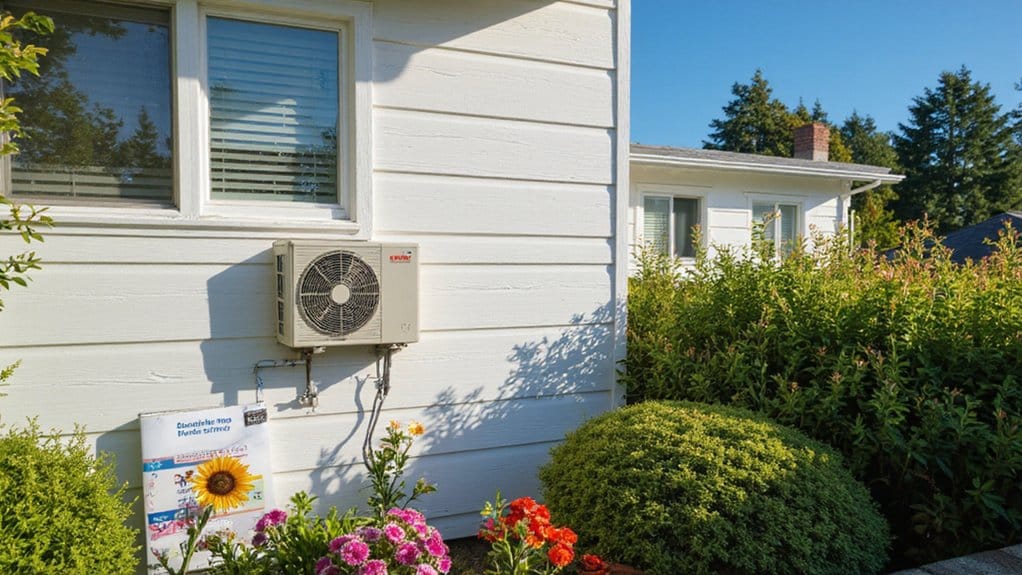
The initial price of a heat pump can make some homeowners hesitate. Rebates and other financial programs may reduce that cost, depending on the home, equipment, installer, and program requirements.
Since incentive programs can change, it’s a good idea to check the current rules before starting the project. Some programs may require specific equipment, documentation, energy assessments, or approved contractors.
Financial Rebates and Grants
Financial rebates and grants can make a heat pump installation more affordable for qualifying homeowners.
Eligibility varies between programs. Some are based on the type of home or heating system being replaced, while others may have requirements related to the equipment being installed.
It’s worth checking the details before buying equipment. A system that looks suitable may not qualify for a particular rebate if it doesn’t meet the program’s requirements.
Homeowners should also keep records of invoices, equipment information, permits, and other documents requested by the program. Missing paperwork can make the application process more difficult.
Since available programs can change, always confirm the current rebate amount, eligibility rules, and application deadlines before making financial plans around an incentive.
Tax Incentives Overview
Tax-related assistance may also be available for certain home energy upgrades, depending on the program and the homeowner’s circumstances.
These programs don’t all work in the same way. Some provide a direct rebate, while others may involve tax treatment or other forms of financial assistance.
If you’re considering a heat pump partly because of a tax incentive, check the current federal, provincial, and local information before making the purchase.
The timing of the installation and the specific equipment used may affect eligibility. Keeping detailed records can also make it easier to provide the information requested during an application.
Utility Company Programs
Utility companies may offer rebates or other programs for homeowners who install qualifying heat pump systems.
These programs are designed to encourage changes that can reduce energy use or shift households toward electric heating and cooling.
Some programs may offer rebates after installation. Others can include financing arrangements or additional assistance for qualifying households.
The details can vary, so check the current program information before choosing equipment. It can also be useful to ask your installer which documents and equipment specifications you’ll need for the application.
Installation Process: Steps to Getting Your Heat Pump Up and Running
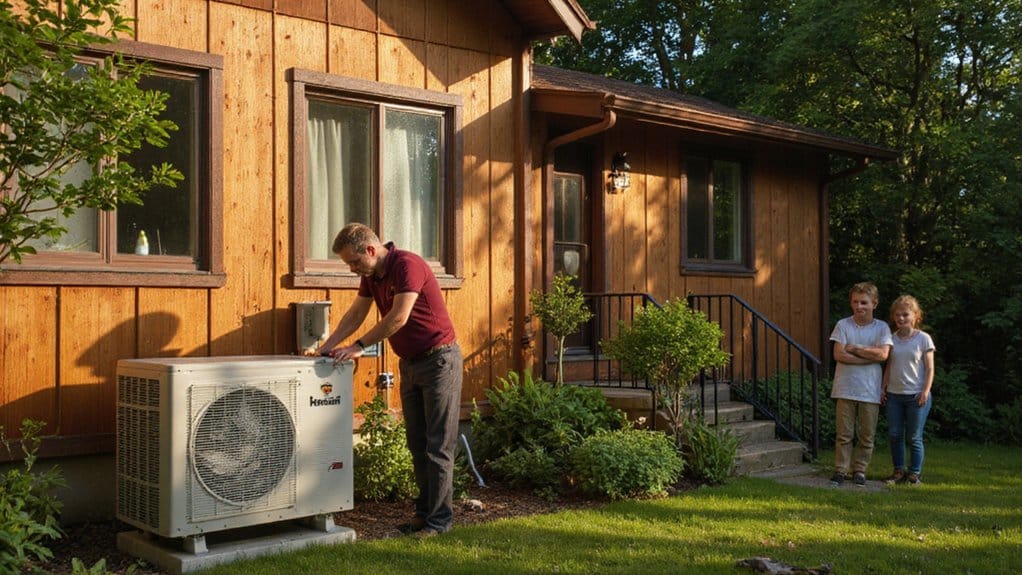
Installing a heat pump involves more than choosing a model and putting it on the wall.
The process usually starts with an assessment of the home. The installer can look at the size and layout of the property, existing heating equipment, insulation, windows, electrical requirements, and available locations for indoor and outdoor units.
From there, the appropriate type and size of heat pump can be selected.
The location of the outdoor unit matters, too. It needs enough space around it for proper airflow and should be positioned where it can operate without unnecessary obstruction.
Indoor units also need to be placed carefully. The goal is to distribute heated or cooled air effectively without creating uncomfortable drafts or leaving parts of the home poorly served.
Depending on the project, electrical work, permits, duct modifications, or other preparation may be needed.
Once the installation is complete, the system should be tested to make sure the controls, airflow, heating, and cooling functions are working correctly.
A good installation also includes showing the homeowner how to use the system. Understanding thermostat settings, filter changes, and basic maintenance can help you get more from the equipment.
Essential Maintenance Tips for Your Heat Pump
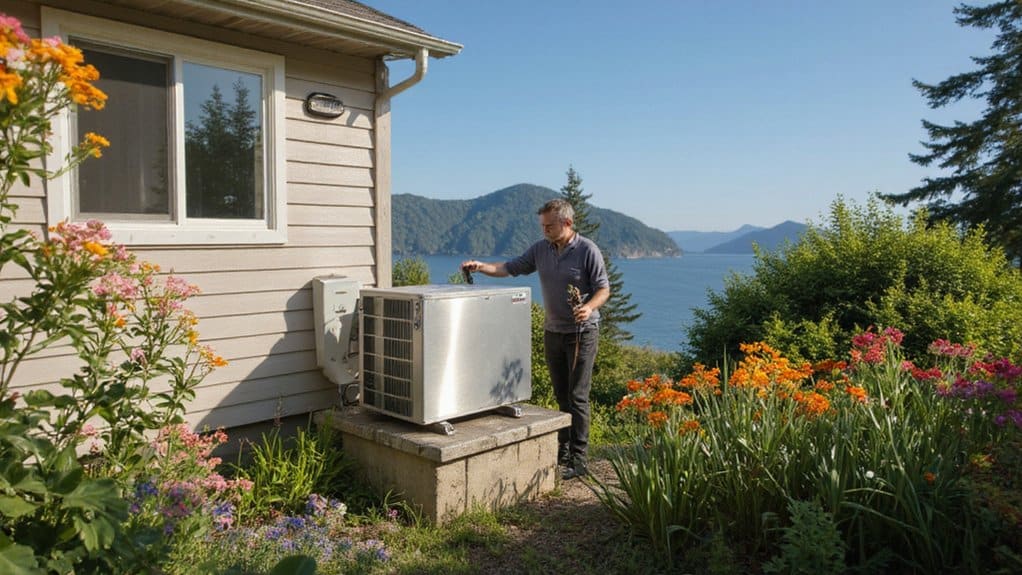
Heat pumps need regular care, just like other home heating and cooling equipment.
Simple maintenance can help prevent airflow problems and give you an opportunity to catch issues before they become larger repairs.
Regular Filter Replacement
The filter plays a direct role in airflow. When it becomes clogged with dust and debris, the system may have to work harder to move air through the home.
Check the filter regularly and replace or clean it according to the manufacturer’s instructions. Some filters need attention every one to three months, while the right schedule can vary based on the filter type, household conditions, pets, and how often the system runs.
A clean filter can also help reduce the amount of dust circulating indoors.
If you’re not sure which filter your system uses or how often it should be changed, check the equipment manual or ask the installer.
Seasonal System Checkups
Professional inspections can help identify problems that aren’t always obvious to a homeowner.
A technician can inspect components, check airflow, look for signs of wear, and make sure the system is operating as it should.
Scheduling a checkup before periods of heavy heating or cooling use can give you a chance to address problems before you need the system most.
Regular servicing doesn’t guarantee that a system will never break down, but it can help you keep track of its condition and address smaller issues before they become more difficult to deal with.
Clean Outdoor Unit
The outdoor unit needs clear airflow to operate properly.
Leaves, dirt, branches, grass, and other debris can collect around the unit and restrict airflow. Check the area regularly, especially after storms or during the fall.
Keep plants and other objects far enough away from the unit to allow air to move freely.
The coils can also collect dirt over time. If they’re heavily soiled, professional cleaning may be appropriate. Avoid damaging the fins or internal components while attempting to clean the equipment yourself.
Success Stories From Vancouver Island Homeowners
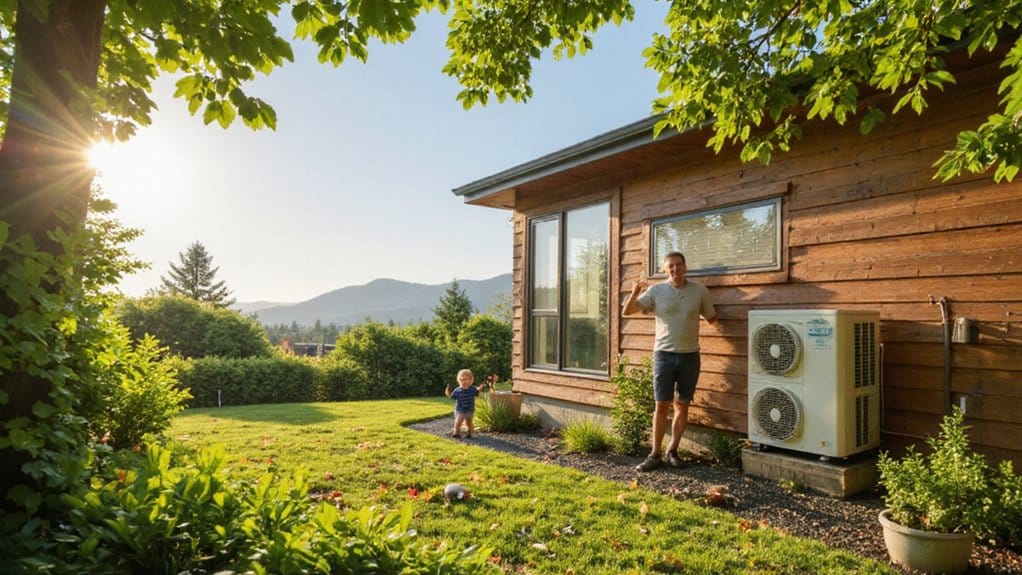
More homeowners on Vancouver Island are considering heat pumps as an alternative to conventional heating and cooling systems.
Some homeowners report lower energy bills after switching, although the amount saved can vary considerably from one household to another. Home size, insulation, thermostat settings, energy rates, weather, and the previous heating system all affect the result.
Local installations also show how heat pumps can be used for both heating and cooling. For homeowners who want year-round temperature control, having one system serve both purposes can simplify the setup.
Noise is another consideration. Modern heat pumps are designed to operate relatively quietly, although sound levels vary between models and installation locations.
If you’re considering a heat pump, speaking with local installers and homeowners can give you a better sense of what to expect from a system in a similar type of property.
Frequently Asked Questions
How Do Heat Pumps Compare to Traditional Heating Systems?
Heat pumps transfer heat rather than producing it through combustion or electric resistance. Depending on the existing heating system, home, and local energy prices, this can reduce energy use and operating costs.
Performance also depends on correct sizing, installation, insulation, and regular maintenance.
Can Heat Pumps Also Provide Hot Water?
Yes. Heat pump water heaters are designed to heat domestic hot water by transferring heat into a water tank.
They are different from the heat pump systems commonly used for space heating and cooling, so homeowners should make sure they’re comparing the right type of equipment for their needs.
What Is the Lifespan of a Heat Pump?
A heat pump can often last around 15 to 20 years, although the actual lifespan depends on the equipment, installation, operating conditions, and maintenance.
Regular filter changes and professional servicing can help keep the system in good working condition. The outdoor unit should also be kept clear of debris and other obstructions.
Are There Specific Brands of Heat Pumps Recommended for Vancouver Island?
Mitsubishi and Daikin are examples of brands used in heat pump installations, including systems designed for cold-weather operation.
Brand name alone isn’t enough to determine whether a particular system is suitable for a home. The model, size, performance ratings, installation, warranty, and availability of service should all be considered.
How Noisy Are Heat Pumps During Operation?
Heat pump noise varies by model, operating mode, and installation location. Many modern systems are designed to operate quietly, but you can still hear the outdoor unit and indoor fan while they’re running.
If noise is a concern, ask about the sound rating of the specific model you’re considering and discuss where the outdoor unit will be installed.
Choosing a Heat Pump for Your Vancouver Island Home
Heat pumps have become an option worth considering for homeowners who want heating and cooling from the same system.
They can use electricity to transfer heat, provide cooling during warmer weather, and potentially lower energy use compared with some conventional systems. The financial and environmental benefits will depend on the home and the system being replaced.
Before making a purchase, look at the full picture. Consider installation costs, expected energy use, available rebates, system size, maintenance, noise, and the condition of your existing heating equipment.
It also helps to have the home assessed by a qualified installer before selecting a system. The right equipment for one property may not be the right choice for another.
With careful planning and proper maintenance, a heat pump can provide heating and cooling throughout the year while giving homeowners another way to manage household energy use.